What are the big 3 Italian wines?
Amarone della Valpolicella stands alongside Barolo and Brunello as one of Italy's big three wines. Discover what makes each iconic and why Amarone is the only one you can taste just 20 minutes from a major city.
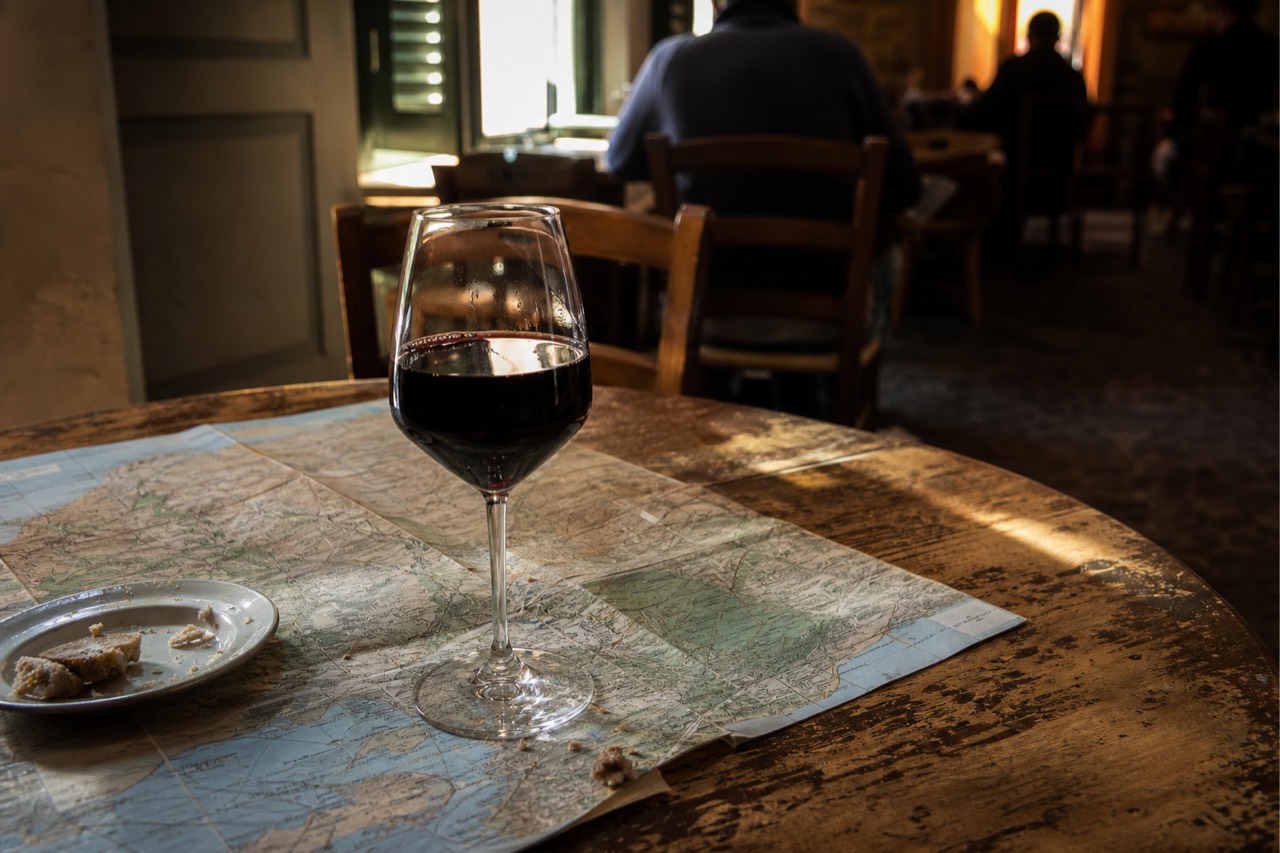
What are the big three Italian wines?
Italy's big three wines are Amarone della Valpolicella, Barolo, and Brunello di Montalcino. These three DOCG reds are the country's most age-worthy, collectible, and globally recognised fine wines. Amarone is made from air-dried Corvina grapes in Veneto, Barolo from Nebbiolo in Piedmont, and Brunello from Sangiovese in Tuscany. Each represents the pinnacle of its region.
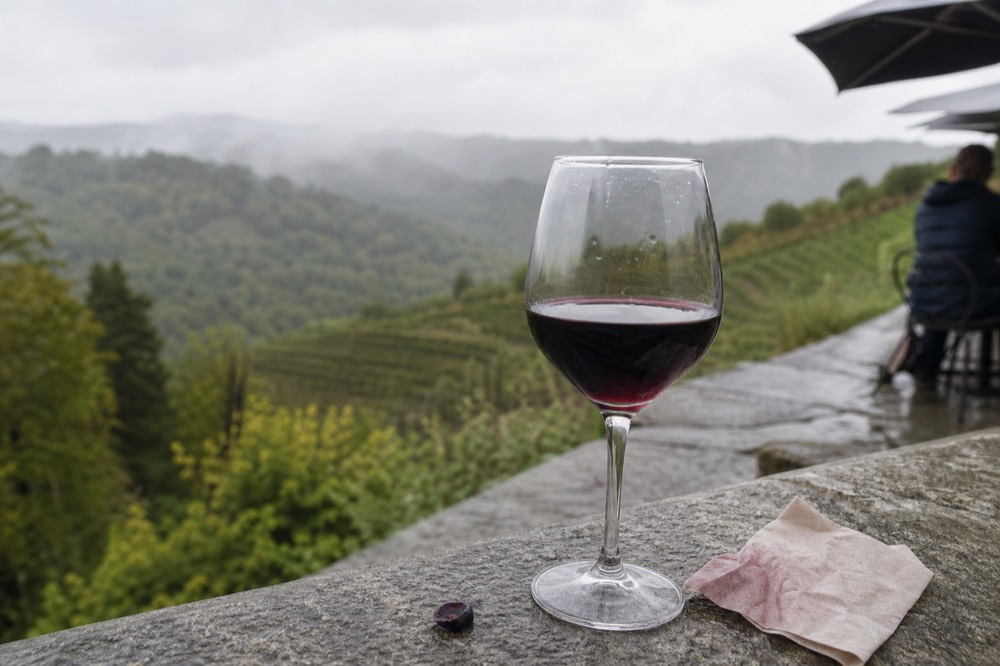
The big three share DOCG status, the highest classification in Italian wine law. Each is governed by a strict disciplinare that dictates the grape varieties, yields, aging requirements, and geographical boundaries. But the differences in grape, method, and place are what make the comparison so compelling. Amarone's defining step is appassimento: harvested grapes are dried for roughly three to four months, concentrating sugars and flavours before a slow fermentation. Barolo relies on Nebbiolo, a thin-skinned grape that ripens late in the foggy Langhe hills, producing wines of towering tannin and ethereal perfume. Brunello, the purest expression of Sangiovese grown around the hilltop town of Montalcino, delivers cherry, leather, and earth in a structure built for long cellaring.
Corvina, the backbone of Amarone (along with Corvinone and Rondinella), is a relatively light-skinned grape when fresh. The magic happens in the fruttaio, the drying loft where bunches are laid out on racks or hung in crates. Over the winter months, the grapes lose about 30 to 40 percent of their water weight, and the remaining juice becomes intensely concentrated. The resulting wine is full-bodied, with dried cherry, dark chocolate, fig, and warm spice notes. Amarone must age at least two years from the January after harvest, and Riserva versions require four years. The 2026 harvest in Valpolicella started roughly two weeks early due to summer heat, with the Consorzio estimating slightly over 861,000 quintali of grapes (checked September 2026).
Nebbiolo, the sole grape of Barolo, is named after the nebbia, or fog, that blankets the Langhe hills in autumn. It is one of the last grapes to ripen in Italy, often harvested in late October. The wines are famously tannic in youth, with a pale garnet colour that belies their power. Traditional Barolo spends years in large Slavonian oak botti, softening the tannins and developing aromas of tar, roses, dried herbs, and red fruit. The aging requirement is among the longest in Italy, and collectors often wait a decade or more before opening a top vintage.
Brunello, a local clone of Sangiovese called Sangiovese Grosso, thrives on the galestro soils of Montalcino, a walled hill town south of Siena. The wine must age for at least four years, two of which are spent in oak, before release. The result is a wine of remarkable depth: sour cherry, tobacco, leather, and balsamic notes that unfold over hours in the glass. Like Barolo, Brunello is a wine for patience.
| Wine | Grape | Region | Method | Aging floor | Nearest big city |
|---|---|---|---|---|---|
| Amarone della Valpolicella | Corvina, Corvinone, Rondinella | Valpolicella, Veneto | Appassimento (drying grapes) | 2 years (Riserva 4) | Verona (20 min) |
| Barolo | Nebbiolo | Langhe, Piedmont | Traditional long maceration | Extended aging required | Turin (about 1 hr) |
| Brunello di Montalcino | Sangiovese (Brunello) | Montalcino, Tuscany | Long aging in large oak | Extended aging required | Florence (about 90 min) |
Amarone is the only one of the three you can taste in a vineyard within 20 minutes of a major tourist city. The Valpolicella Classico zone, centred on the communes of Negrar, Marano, Fumane, Sant'Ambrogio, and San Pietro in Cariano, starts just outside Verona. The city itself is a UNESCO World Heritage site with a Roman arena, medieval bridges, and a compact historic centre that makes it an ideal base for wine touring. Verona Wine Tours covers several ways to experience the region firsthand.
The Amarone tasting experience is remarkably accessible compared to Barolo and Brunello. In Piedmont, the Langhe hills are about an hour from Turin, and the wine towns of Barolo, La Morra, and Serralunga d'Alba require a car and a dedicated itinerary. Montalcino is roughly 90 minutes from Florence, and while the drive through the Crete Senesi is beautiful, it is not a quick day trip for most visitors. Verona, by contrast, has a major international airport, high-speed rail links to Venice and Milan, and the Valpolicella vineyards practically on its doorstep. The drive from Piazza Bra in central Verona to Negrar is about 14 kilometres and takes roughly 20 minutes. For a deeper look at the geography, read our Valpolicella wine region guide.
The Bertani estate visit, from around $42 (checked September 2026), is one of the most direct ways to taste Amarone in the villa where it ages. Bertani, one of the historic names of Valpolicella, has been making wine since the mid-19th century, and the Marano di Valpolicella estate is a working monument to the appassimento tradition. The tour includes a sommelier-led flight of four or six wines, often paired with cheese and charcuterie, and the listing often sells out in peak months.
The half-day small-group format from Verona, from around $105 (checked September 2026), covers the full Valpolicella ladder: Valpolicella, Ripasso, Amarone, and Recioto. That tour includes hotel pickup in the city and a tasting of at least four Valpolicella wines, accompanied by bread, cheese, and salami. It often sells out during the high season, so checking the live listing well ahead of travel is sensible. For a broader overview of the region's wines, see our guide to Amarone wine.
What is Italy's most famous wine?
Italy's most famous wine is not a single label but a contested shortlist: Amarone, Barolo, Brunello, Chianti Classico, and Prosecco all compete for the title. Among the big three, Amarone's unique appassimento method and Verona's accessibility give it a distinct advantage for visitors, while Barolo and Brunello remain the touchstones for collectors. Each has a strong claim, and the answer depends on whether you value cellar prestige or tourism convenience.
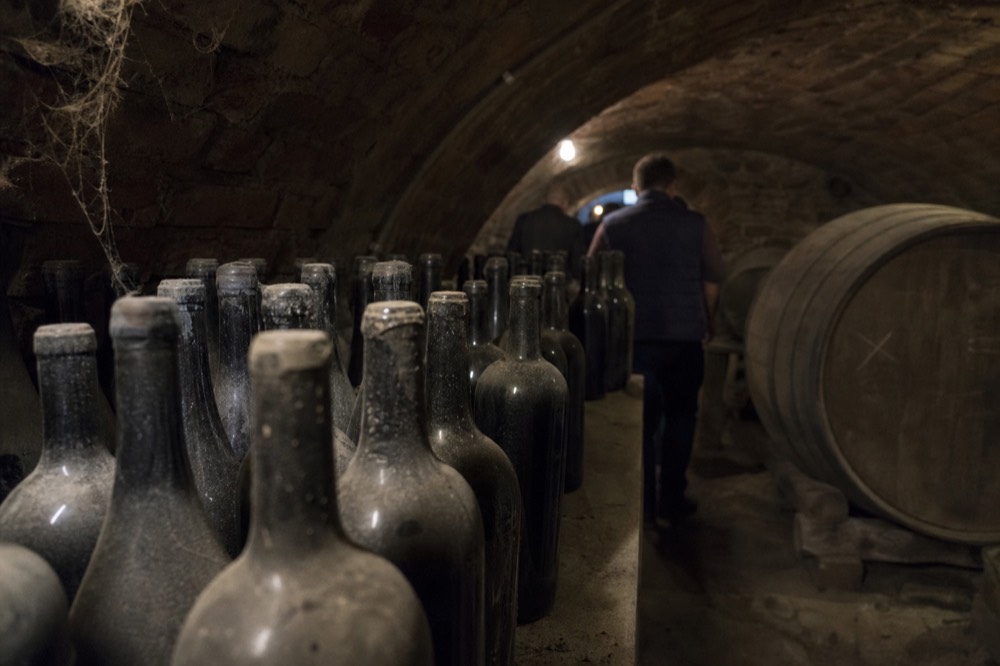
Amarone's international reputation has grown considerably over the past few decades. The wine's powerful, concentrated style found an eager audience in the United States, northern Europe, and Asia, and the romance of the appassimento process, visible in the fruttai of dozens of Valpolicella estates, has made it a compelling story for wine tourists. The Consorzio per la Tutela dei Vini della Valpolicella now counts over 2,200 companies operating across the denomination, with exports reaching 87 countries (checked September 2026).
Barolo, by contrast, has been famous for much longer. Often called the "king of wines and the wine of kings," it was a favourite of the House of Savoy in the 19th century and has been a benchmark for collectors since the post-war era. The Nebbiolo grape is notoriously difficult to grow and vinify, which adds to Barolo's mystique. Brunello di Montalcino is a more recent phenomenon: the first commercial Brunello was bottled in the late 19th century by the Biondi-Santi family, but the wine only achieved global fame in the 1980s and 1990s, when critics and collectors began to treat it as Italy's answer to the great Burgundies.
The three wines also differ in how they are consumed. Amarone is often approachable young, its ripe fruit and residual warmth making it a winter wine that does not demand decades of patience. Barolo and Brunello, especially from traditional producers, can be punishingly tannic in their youth and may need ten or twenty years to show their best. This difference in drinkability makes Amarone the most visitor-friendly of the big three: you can taste it in the vineyard, buy a bottle, and enjoy it that evening with dinner in Verona, while Barolo and Brunello often require a commitment to cellaring.
Food pairings underscore the differences. Amarone pairs beautifully with braised meats, aged cheeses, and dark chocolate, the wine's richness standing up to the most intense flavours. Barolo is the classic partner for the white truffle dishes of Alba and the slow-cooked beef of Piedmont's brasato al Barolo. Brunello finds its match in the grilled steaks of Tuscany and the region's pecorino cheeses. Each wine is a destination on the table as much as on the map.
The Bertani cellar tour is a practical entry point. The villa in Marano di Valpolicella is about 18 kilometres from Verona, a 25-minute drive, and the sommelier-led format means you do not need to be an expert to appreciate what is in the glass. The tour is shared and bilingual, and tastings of four or six wines are included, with an optional cheese and charcuterie add-on. Because the listing often sells out, booking ahead through the operator's live listing is recommended.
For those staying in Venice, the full-day tour from Venice, Padua, or Verona visits two cantinas, pours five Valpolicella wines paired with cheese, and includes a light trattoria lunch. It is the most expensive option in the set, from around $632 per person (checked September 2026), but it delivers a full Amarone day from the lagoon with pickup and lunch handled. For a broader look at the region's visiting options, read our guide to the best Amarone wineries to visit.
What are the five famous wines in Italy?
Italy's five famous wines extend beyond the big three to include Chianti Classico and Barbaresco, while Prosecco, Super Tuscans, and the great whites of the northeast also claim global recognition. The list of five is fluid, but Chianti Classico and Barbaresco are the most consistent additions to the big three in any serious discussion. Amarone remains the only one of these that visitors can taste in a vineyard 20 minutes from a major city.
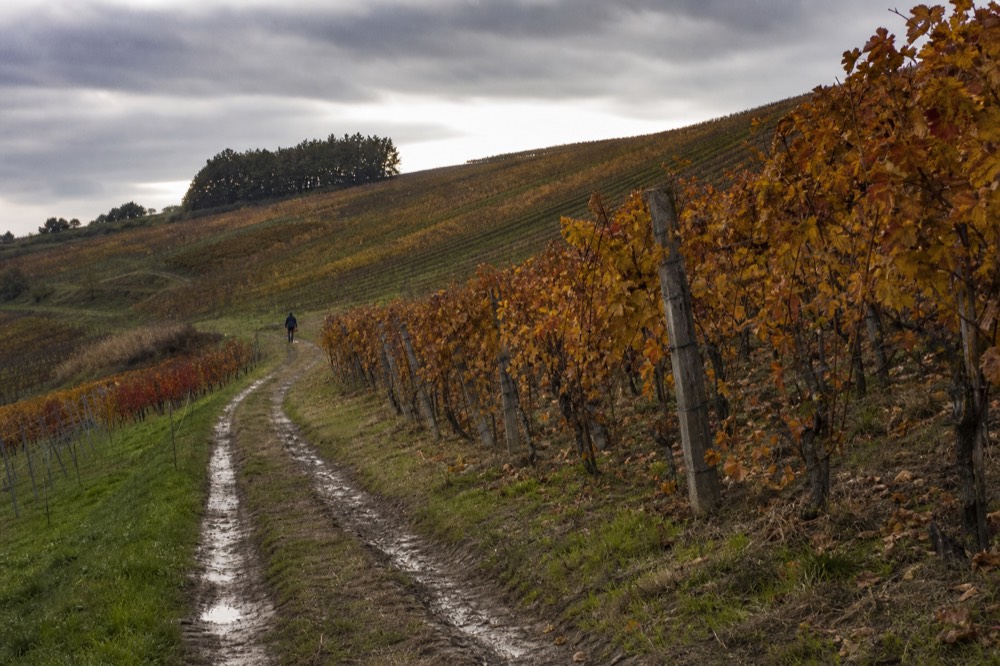
Chianti Classico, from the historic heart of Tuscany between Florence and Siena, is the everyday ambassador of Italian red wine. Made primarily from Sangiovese, it is lighter and more food-friendly than Brunello, with bright cherry fruit, herbal notes, and a refreshing acidity that makes it a perfect restaurant wine. Barbaresco, from the same Nebbiolo grape as Barolo but grown on slightly different soils in a warmer microclimate, is often described as Barolo's more elegant sibling. It requires less aging and is typically more approachable in its youth, though top Barbarescos from producers like Gaja and Produttori del Barbaresco can age for decades.
Prosecco, of course, is the world's favourite sparkling wine, produced in vast quantities across the Veneto and Friuli. Super Tuscans, the category born in the 1970s when producers like Sassicaia and Tignanello broke DOC rules to make Bordeaux-style blends, now command some of Italy's highest prices. And the great white wines of the northeast, Soave and Lugana, have their own DOC and DOCG hierarchies and a growing international following (see Lugana and Custoza: the white wines on Verona's lake shore). Yet among all these, the big three, Amarone, Barolo, and Brunello, remain the benchmark for collectors and the wines most likely to appear on a fine-dining list.
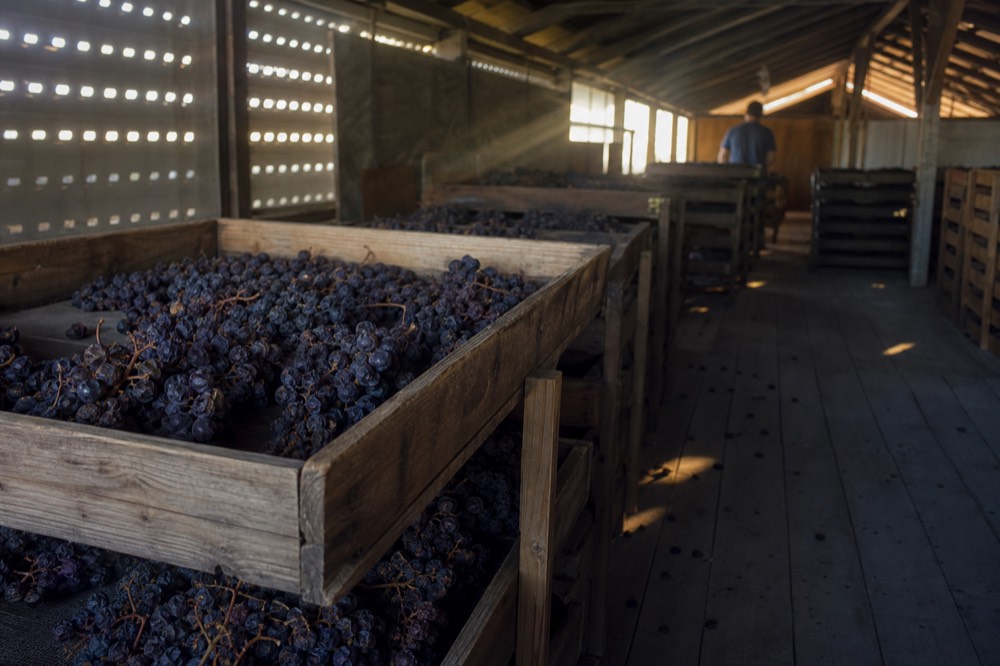
Amarone's position in this company is unique because it is not just a wine but a destination. The Valpolicella hills are dotted with historic estates, and the appassimento process, visible in the fruttai where grapes hang to dry through the winter, is a spectacle in itself. No other famous Italian wine offers such a tangible, tourism-friendly production story. The drying rooms are open to visitors at many wineries, and the sight of thousands of grape bunches suspended on racks is one of the most memorable images in Italian wine tourism.
The trio of Amarone tours available from Verona and Venice covers the spectrum: a budget-friendly historic cellar visit from around $42 (checked September 2026), a small-group half-day with hotel pickup and a full Valpolicella ladder tasting from around $105 (checked September 2026), and a premium full-day private trip from Venice, Padua, or Verona with lunch, from around $632 per person (checked September 2026). Each gives you a direct encounter with one of Italy's big three wines, in the landscape where it has been made for centuries.
Common questions about the big three Italian wines
What are the big three Italian wines?
The big three are Amarone della Valpolicella, Barolo, and Brunello di Montalcino. They are Italy's most prestigious DOCG reds, each from a distinct region and grape variety. Amarone comes from dried Corvina grapes in Veneto, Barolo from Nebbiolo in Piedmont, and Brunello from Sangiovese in Tuscany.
What is Italy's most famous wine?
Amarone, Barolo, Brunello, Chianti, and Prosecco are all famous, but among the big three, Amarone's unique appassimento method and Verona's accessibility make it a standout for visitors. Barolo and Brunello remain the touchstones for serious collectors.
What are the five famous wines in Italy?
Beyond the big three, Chianti Classico, Barbaresco, Prosecco, and Super Tuscans are widely famous. Amarone holds a special place because it is both a great wine and a vineyard experience close to a major city, with the Valpolicella Classico zone just 20 minutes from Verona.
How is Amarone different from Barolo and Brunello?
Amarone is made from dried grapes using the appassimento method, giving it a concentrated, raisined character with notes of dried cherry and dark chocolate. Barolo and Brunello rely on long aging and tannin management, resulting in more linear, age-worthy structures with floral and earthy notes respectively.
Can you visit Amarone vineyards near Verona?
Yes, the Valpolicella Classico zone is a 20-minute drive from Verona. Guided tours range from cellar visits under $50 (checked September 2026) to full-day private tours, and many include tastings of Amarone, Ripasso, Valpolicella, and Recioto. The Bertani family villa in Marano di Valpolicella is one of the most popular cellar visits.
Which of the big three is the most affordable to taste at the source?
Amarone is the most accessible. A cellar tour at a historic estate like Bertani starts from around $42 (checked September 2026), and Verona is a major tourist city with budget flights and high-speed rail. Barolo and Brunello require more travel and the tasting fees at top estates are typically higher.