What wine is Verona famous for?
Amarone is the one-line answer, but Verona's fame runs through the whole Valpolicella family, Soave, Bardolino, Lugana and Custoza, plus the city's own spritz habit. Here is what to taste and where.
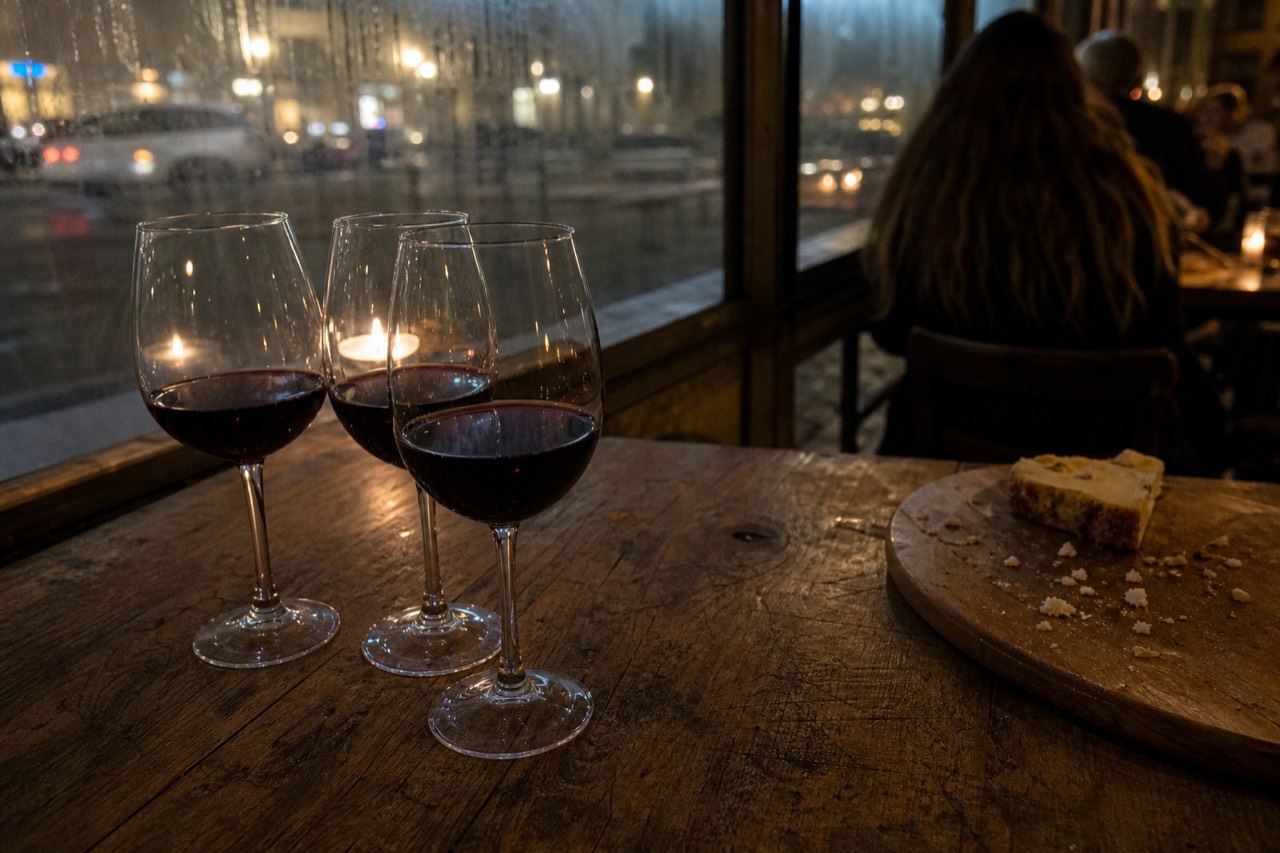
Amarone della Valpolicella is the wine Verona is famous for: a rich, dry red made from grapes dried for months before fermentation, produced only in the hills immediately north and west of the city. But the honest answer is wider. Verona gives its name to a province that holds five major denominations, Valpolicella with Amarone, Ripasso and Recioto, Soave, Bardolino, Lugana and Custoza, all reachable in under an hour from the Arena. And the drink the city is actually famous for drinking, in every piazza at aperitivo hour, is the spritz.
What wine is Verona famous for?
Verona is famous for Amarone della Valpolicella, the dry red made from air-dried Corvina, Corvinone and Rondinella grapes grown in the hills 15 to 25 minutes' drive from the city centre. It is the region's flagship wine, the one on every serious wine list that names the city, and no other major Italian red is built the same way at comparable scale.
Amarone is the region's flagship for a reason that has nothing to do with marketing. The grapes are harvested, then left to dry on racks in ventilated rooms for about three to four months, losing water and concentrating sugar and flavour. The disciplinare forbids pressing them before 1 December, and the wine must age at least two years, four for a Riserva, at a minimum of 14% alcohol. No other major Italian red is built this way at this scale. If you want the full picture of how it is made and how it compares with its siblings, our Amarone wine guide covers the process in depth.
The scale is real but not enormous. Final Consorzio figures for 2025 show 57.5 million bottles across all Valpolicella denominations, with Amarone and Recioto together at 13.58 million bottles, down 2.4% on the year. The vineyard runs to roughly 8,600 hectares worked by more than 2,200 companies, and the denomination's turnover is above EUR 600 million. That is a serious industry, but it is still small enough that most of the world's Amarone comes from a valley you can drive across in twenty minutes.
Amarone does not travel alone. The same grapes and the same zone produce the whole Valpolicella family, and locals drink the ladder in order: fresh, light Valpolicella DOC as the everyday red, Valpolicella Ripasso (re-fermented on Amarone skins for extra body), then Amarone itself, then Recioto, the sweet ancestor the dry style was accidentally discovered inside. Our Ripasso and Recioto guide explains that ladder style by style.
If tasting the flagship is the point of your visit, the fastest route is a half-day tour into the hills:
The headline option is the small-group Amarone tasting tour run by a B-Corp-certified operator: two winery visits with two tastings including Amarone and Ripasso, hotel pickup in Verona, rated 4.9 across over 760 reviews, from $145 per person (checked September 2026). It often sells out. The two alternatives in that band show the price and format spread: a winery-direct tasting in Soave from $34 and a vineyard-and-cellar visit in the Garda hills from $52, both meeting at the winery rather than including transport.
What drink is Verona famous for?
The drink Verona is genuinely famous for is the spritz, the orange-bitter aperitivo born in the Veneto, and it is what you will see in nearly every hand on every piazza terrace at aperitivo hour. Wine made the region's reputation, but the spritz is its daily ritual, and no visit to Verona is complete without understanding that the city's most photographed drink contains no local wine at all.
The spritz is Venetian in origin, the name tracing to the Austro-Hungarian habit of lengthening local wine with a "Spritz" of water, and the modern Veneto version mixes prosecco, a bitter liqueur such as Aperol or the more local Select, and a splash of soda. In Verona it arrives with an olive or a slice of orange, usually alongside some potato chips, at around 6 pm. No figure needs a price here: a spritz in a Piazza Bra terrace costs noticeably more than one two streets away, and the locals are two streets away.
The honest hierarchy is this: the spritz is the drink, Amarone is the wine, and everything else in the province is what the region actually lives on. Verona's white-wine zones matter just as much to the local table. Soave, 31 km and about 28 minutes east of the city, is Garganega country, a minimum of 70% by law, and its Classico zone is the Soave and Monteforte d'Alpone hillside. Bardolino, 38 km west on Lake Garda, is the light red and rosato (Chiaretto) made from the same Corvina family as Valpolicella. Lugana is the Turbiana white from the lake's south shore, and Custoza is the blended white from the moraine hills south of the city. Our Soave wine tour guide covers the eastern valley in detail.
Wondering where a first taste fits into a short visit?
Every listing on our roster offers free cancellation, so booking ahead costs you nothing if plans change.
What wine is famous in Verona?
Inside the city walls the famous names are Amarone, Ripasso and Valpolicella by the glass, alongside Soave and Lugana as the house whites, all poured in the historic wine bars within walking distance of the Arena. The city itself has no vineyards; its fame is a halo from the surrounding valleys, sustained by centuries of trade and by hosting Italy's largest wine fair every April.
Verona has been the commercial heart of this wine trade for centuries, and it still is. The consorzio for Valpolicella is headquartered in Verona, and Vinitaly, Italy's largest wine trade fair, runs every April at Veronafiere: the 2026 edition drew 90,000 attendees from 135 countries and 4,000 exhibitors (see Vinitaly Verona: the Wine Fair, the 2027 Dates and How to Plan Around It). For one week each spring the entire world wine trade is physically inside this city because of the wines made around it.
What you will find by the glass in the city's enoteche follows the local logic. Valpolicella DOC is the lunch red, minimum 11% alcohol, made for drinking young. Ripasso, minimum 12.5%, is the mid-week dinner wine, fuller and spicier. Amarone is the occasion wine, and in Verona it costs less by the glass than almost anywhere outside the region. The whites on any serious list are Soave Superiore and Lugana, and increasingly Custoza, which bottled 72,178 hectolitres in 2025 and is the local's quiet choice for a fish dinner.
For a visitor this means cellar doors are busy in September and October, and some estates pause tours during the crush, so book tastings ahead.
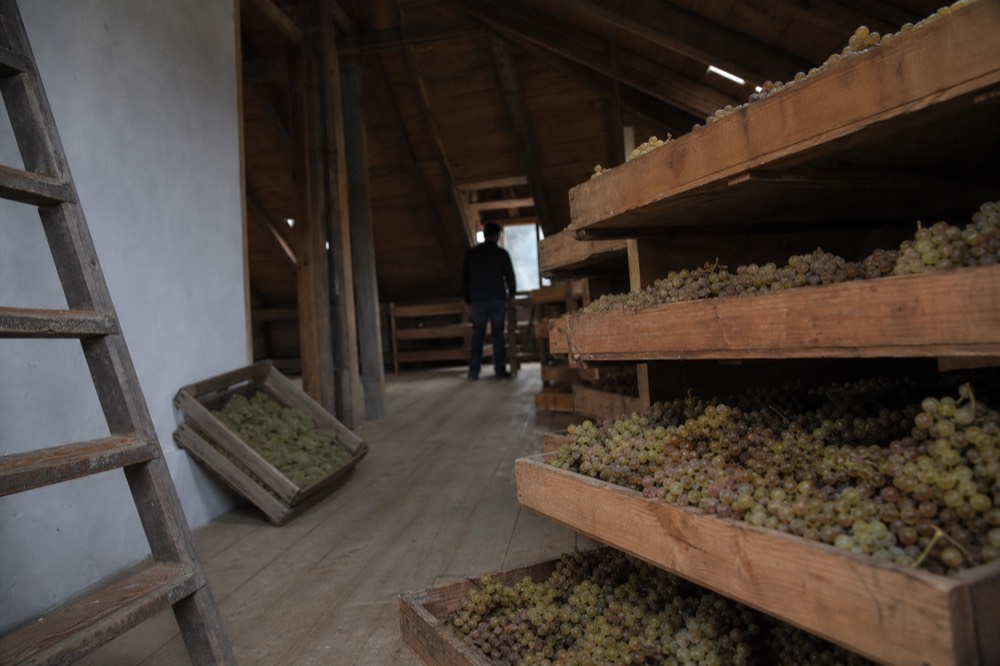
The drying lofts, the fruttaio, are the single most distinctive thing to see on a winery visit here. No other wine region in Italy shows you its raw material shrivelling on wooden racks for three months before your eyes, and the good tours walk you through them.
Which wine is Verona famous for?
If you force a single answer, it is Amarone della Valpolicella; if you allow two, add Soave as the famous white; and if you are asking what to bring home, a bottle of Ripasso is the local's practical compromise between the two. The single-answer version is what most of the world knows, but the two-answer version is more honest to how the province actually drinks.
Amarone's name itself carries the story: it means "the great bitter one," the dry wine discovered when a Recioto batch kept fermenting past sweetness, turning amaro. The grape rule is Corvina and/or Corvinone 45 to 95%, Rondinella 5 to 30%, and no more than 65% of the permitted crop may be set aside to dry, which caps supply structurally. That cap, plus three to four months of drying and two years of aging, is why a serious Amarone starts around EUR 30 to 40 retail and climbs fast.
Soave is one of Italy's most exported whites, roughly 4,700 hectares and about 40 million bottles of potential, with 45% shipped to 60 or 70 markets, and its Garganega hillside is a short trip from Verona. The Consorzio's quality push will make the name mean more, not less.
And the bring-home answer is Ripasso. It carries Amarone's flavours at a third of the price, it is what the region's own tables open on a Tuesday, and it exists nowhere else on earth because the method, a single re-fermentation on Amarone marc, is legally defined and geographically locked. A visitor who buys one bottle of Amarone and two of Ripasso has understood the region correctly.
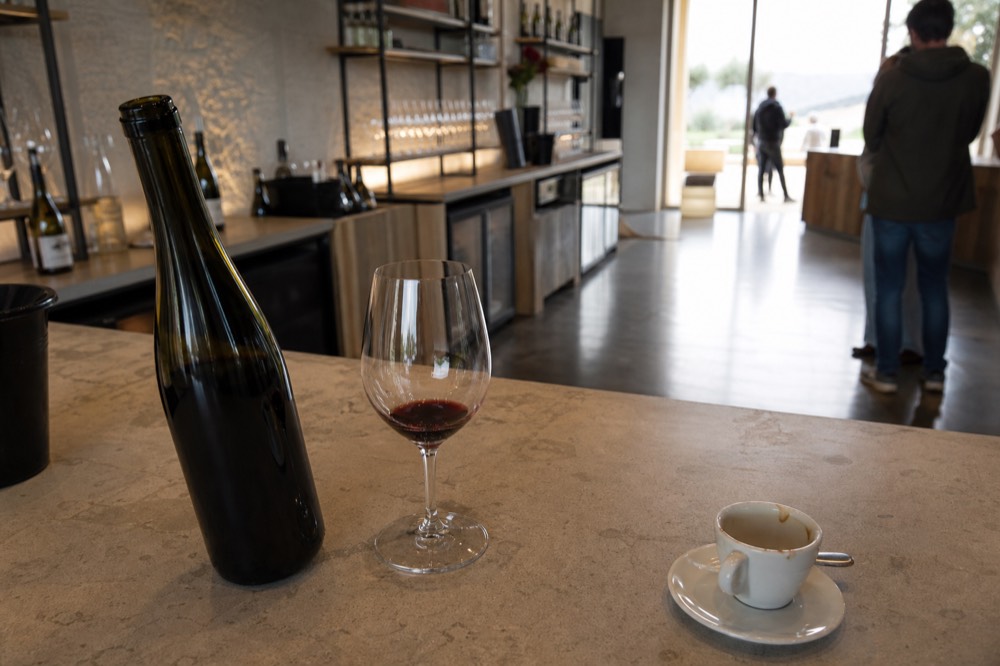
Where can you taste each wine within an hour of the Arena?
Every major Verona wine zone is reachable within an hour of the city centre: Valpolicella's cellars from 20 minutes by car, Soave from about 28 minutes, Bardolino from about 38 minutes, and the Lugana shore just beyond Peschiera del Garda, about 13 minutes by regional train from Verona Porta Nuova. The choice of zone is really a choice of which famous wine you want standing in front of you.
Here is the practical map, with driving times from central Verona and what to taste once you arrive:
| Zone | Nearest town | Distance from Verona | Signature wine | Cheapest listed tour |
|---|---|---|---|---|
| Valpolicella | Negrar / San Pietro in Cariano | 14-15 km, 20-23 min | Amarone, Ripasso | Historic cellar visit from $42 (checked September 2026) |
| Soave | Soave | 31 km, about 28 min | Garganega white | Winery-direct tasting from $34 (checked September 2026) |
| Bardolino / Garda hills | Bardolino | 38 km, about 38 min | Bardolino, Chiaretto | Hills winery visit from $52 (checked September 2026) |
| Lugana | Peschiera del Garda | About 13 min by train | Turbiana white | Boat cruise with tasting from $116, departs Sirmione (checked September 2026) |
Distances are fixed routing figures; the tour prices are the from-prices on the live listings and move with season. The one product that crosses two zones in a single outing is the shared half-day covering both Soave and Valpolicella with hotel pickup, from $170 (checked September 2026), a newer, lightly reviewed listing. And the only Valpolicella tour that departs from the lake rather than the city is the shared half-day from Peschiera and Bardolino, from $103 (checked September 2026).
For a first visit with limited time, the Valpolicella half-day remains the default recommendation, and the small-group Amarone tour is the strongest version of it:
Two wineries, two tastings, the drying lofts in between, and you are back in Verona for dinner. The cheaper alternative in the same family is the historic-estate cellar tour at a Bertani family villa in Marano di Valpolicella, from $42 (checked September 2026), which the roster lists as often selling out; check the listing for the pickup option, since transport there is not guaranteed the way it is on the small-group tours.
If the famous white is what you came for, the winery-direct Soave visit is the cheapest wine experience in the whole area and the easiest to slot into a morning:
You meet at the winery in Soave, walk the terraced vineyard and barrel cellar, and taste four organic wines with cured meats, cheese and baked appetizers. There is no transport, so it pairs naturally with a morning in the walled town itself, whose castle keeps summer hours Tuesday to Sunday and closes on Mondays (checked September 2026).
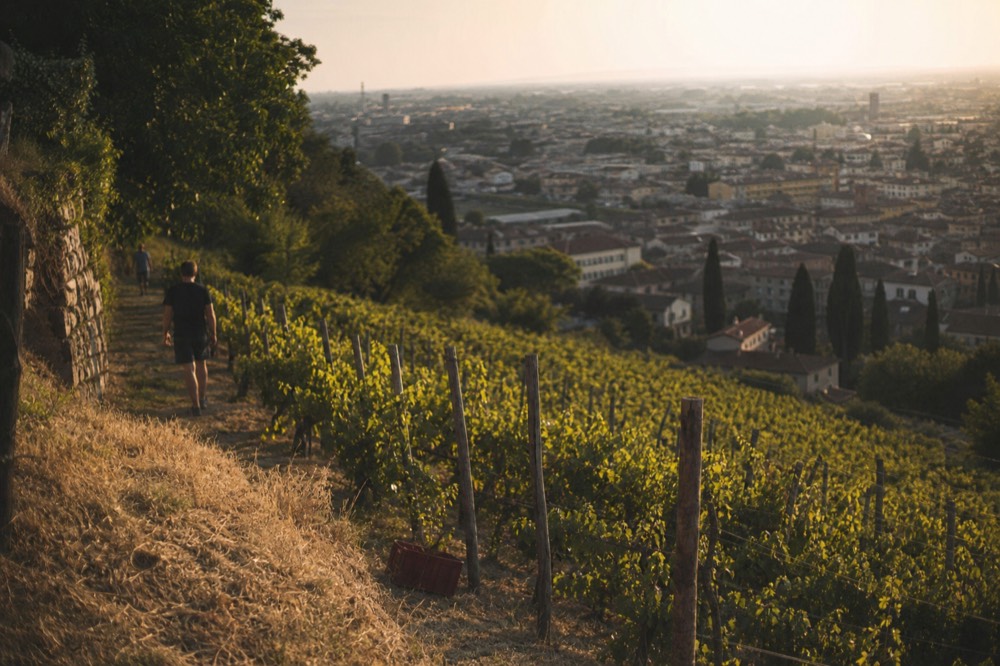
How do you plan a tasting day around the famous wines?
Pick one zone per day, book tastings in advance because most estates require reservations and close on Sundays, and if you are driving, know that Italy's blood-alcohol limit is 0.5 g/l with a zero limit for drivers under 21 and anyone in their first three years of a licence. The reservation rule is the one that catches visitors out, and the drink-driving law matters more here than in most wine regions.
Across Valpolicella, a standard cellar tour with tasting runs about EUR 25-80 per person, typically EUR 40-60, with premium, vertical and lunch formats at EUR 100-150, and almost none of it is walk-in. The named estates publish their ladders: Tommasi runs EUR 25 to 120 depending on format, Tedeschi from EUR 28 for a one-hour visit to EUR 180 for an Amarone vertical, and Bertani's Classico experience is EUR 70 (checked September 2026). Sunday is the weak spot, most estates are closed, which is exactly why the guided tours with transport fill that gap.
The drink-driving law matters more here than in most wine regions because the zones are close and the temptation to hop between estates by car is real. The general limit is 0.5 g/l; between 0.5 and 0.8 the fine is EUR 543-2,170 with a three to six month licence suspension, and above 0.8 it becomes criminal. A guided tour with transport, a self-guided e-bike loop, or the train to Peschiera for the Lugana shore all solve the problem by design. The self-guided e-bike half-day from Verona, four glasses including Amarone with a cheese and salami stop, from $110 (checked September 2026), is the active format and often sells out.
For tasting inside the city on a rest day, the enoteche and wine bars near the Arena pour the whole ladder by the glass, and the estates you can book direct are listed in the surrounding valleys. Plan one hill day, one lake or Soave day, and one city day, in that order.
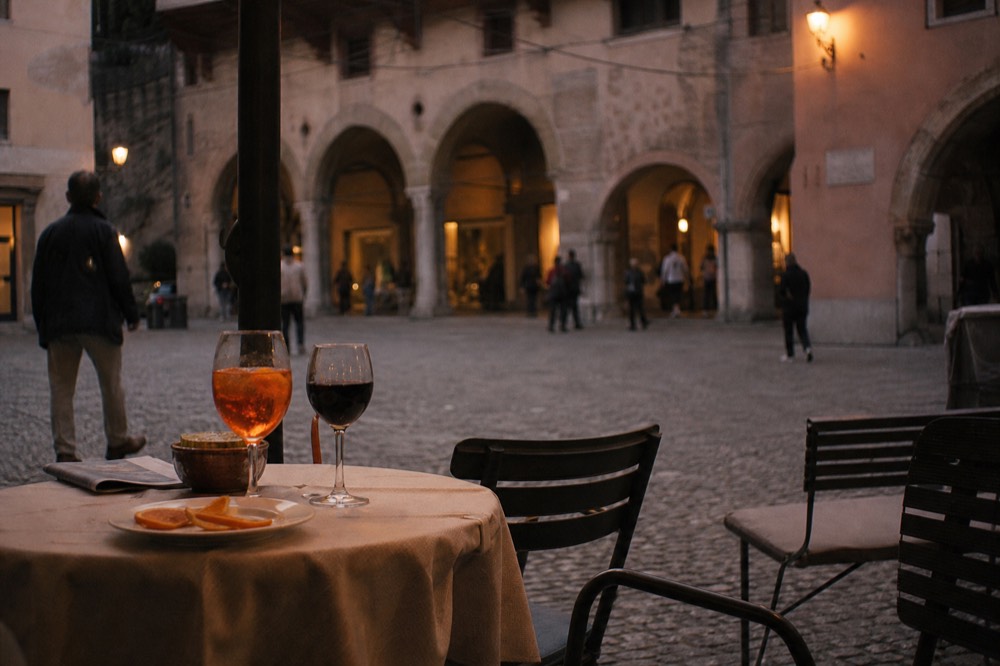
However you structure the days, the shape of a Verona wine trip is simple: the spritz in the piazza at six, the Valpolicella ladder in the hills by day, and one trip east to Soave or west to the lake to see that the province's fame is not one wine but a whole family of them. As Verona Wine Tours puts it in every guide on this site, the flagship is Amarone, the habit is the spritz, and the region is bigger than both.
Verona's famous-wine story in brief: Amarone is the flagship red, the spritz is the daily drink, Soave is the famous white, and every zone that produces them sits within an hour of the Arena. The questions below cover the answers people most often search for.
Common questions about Verona's famous wines
What wine is Verona famous for?
Verona is famous for Amarone della Valpolicella, the dry red made from air-dried grapes in the hills just north of the city. The wider honest answer includes the whole Valpolicella family (Valpolicella, Ripasso, Recioto), plus Soave, Bardolino, Lugana and Custoza from the surrounding province.
What drink is Verona famous for?
The spritz. The orange-bitter aperitivo, prosecco with Aperol or Select and a splash of soda, is the drink of aperitivo hour in every Verona piazza, and it was born in the Veneto.
What wine is famous in Verona?
Inside the city, the famous names poured by the glass are Valpolicella, Ripasso and Amarone, with Soave and Lugana as the standard whites. The city has no vineyards of its own; its fame comes from the surrounding valleys and from hosting Vinitaly, Italy's largest wine fair, every April.
Which wine is Verona famous for?
Amarone della Valpolicella is the single most famous. If you allow a second, Soave is the famous white; and Ripasso, Amarone's flavours at a lower price, is the bottle locals actually open on an ordinary evening.
Can you visit Amarone wineries from Verona without a car?
Yes. Small-group half-day tours with hotel pickup run from around $105 to $145 per person (checked September 2026), a self-guided e-bike option exists from $110, and some cellar visits at historic estates start from $42, though you should check the listing for the pickup option on that one.
Is Soave worth visiting if you prefer red wine?
Yes, for the contrast. Soave's Garganega hillside is 31 km from Verona, the walled town and castle are among the prettiest in the Veneto, and a winery-direct tasting there is the cheapest wine experience in the area, from $34 (checked September 2026).