Lugana and Custoza: the white wines on Verona's lake shore
Most visitors to Verona head straight for Amarone country and never learn that the province's quietest wine story sits on the flat clay south of Lake Garda, where two white DOCs, Lugana and Custoza, share the Garda moraine amphitheatre.
Short answer
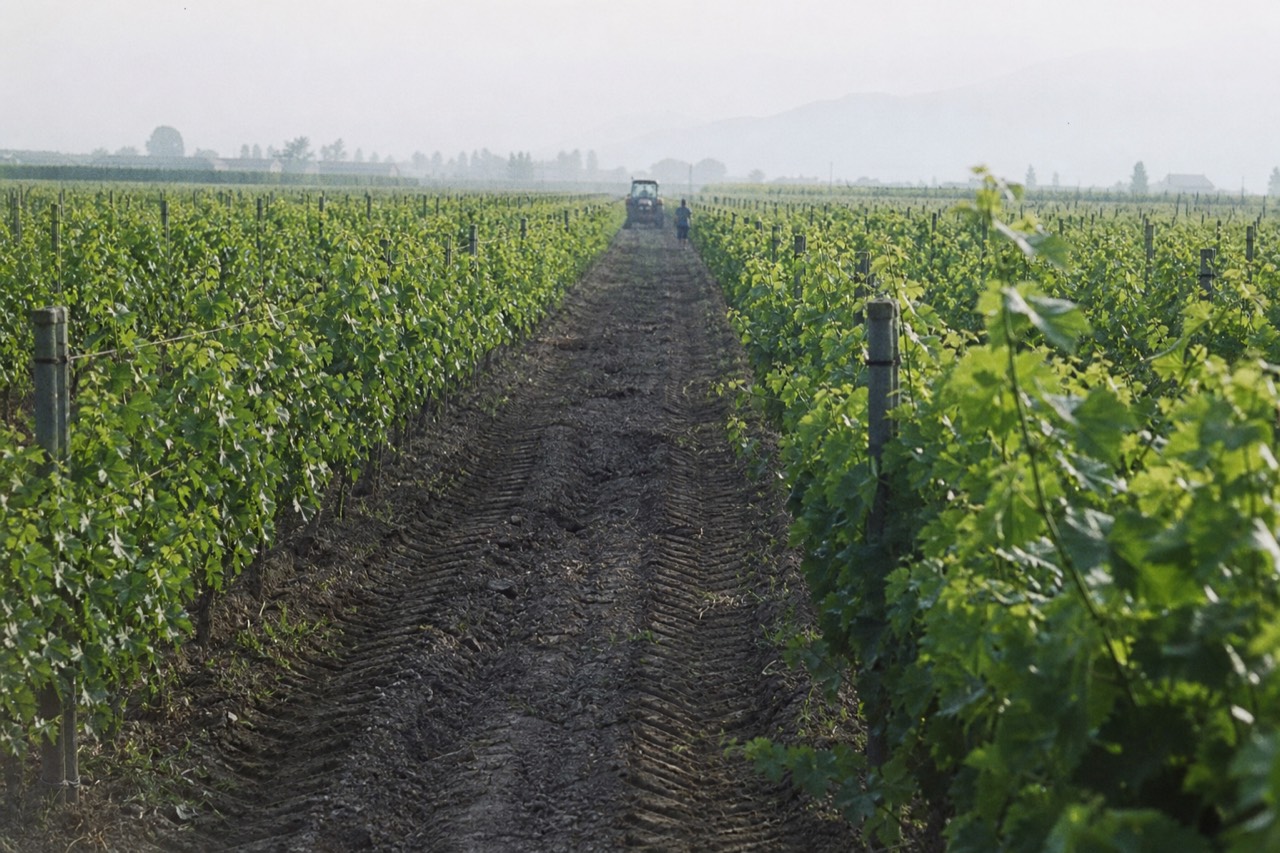
Lugana is a still and sparkling white DOC made from at least 90% Turbiana on 2,600 hectares of clay around Sirmione and Peschiera, straddling the Brescia and Verona provincial line. Custoza is a blended white from about 1,400 hectares and nine communes south and east of the lake. Both are dry, and both are an easy train ride from Verona.
What is Lugana wine?
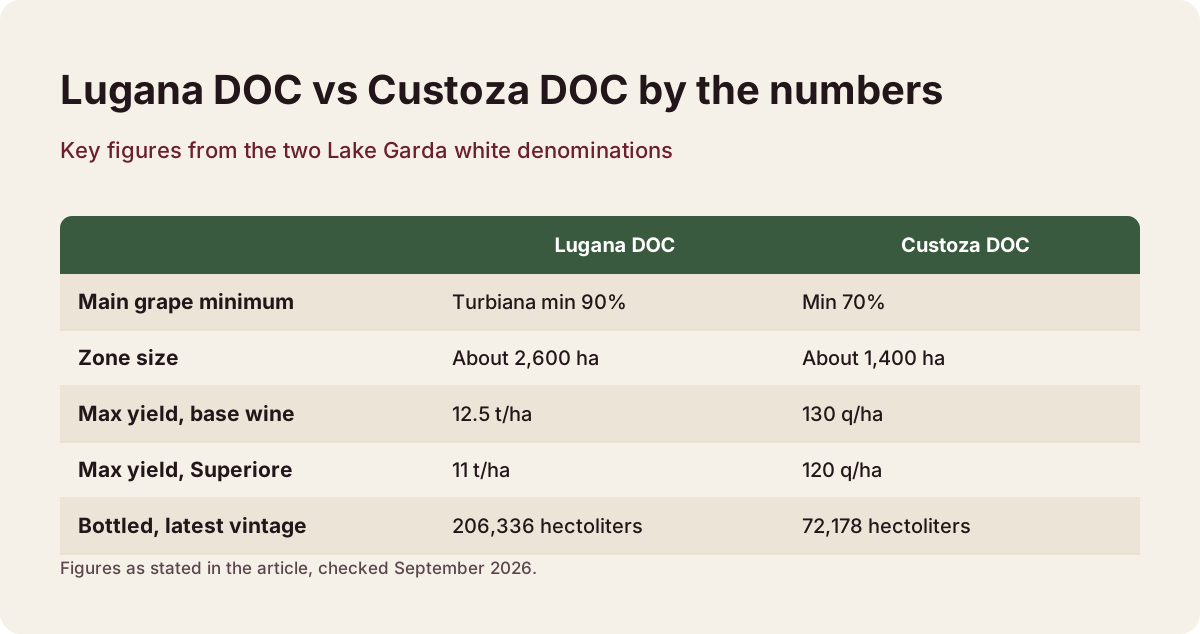
Lugana is a white DOC from the clay plain immediately south of Lake Garda, made from at least 90% Turbiana (locally called Trebbiano di Soave), with the remainder drawn from other non-aromatic white varieties. It covers about 2,600 hectares cultivated by 214 growers, and more than 60% of the production is exported to some 65 countries.
The disciplinare is unusually strict for a still-plain DOC: Turbiana must carry the wine, and the consorzio notes that producers tend to make their basic Lugana exclusively from it. The permitted yields are 12.5 tonnes per hectare for the base wine and 11 for Superiore, with grapes required to reach at least 10.5% natural alcohol. There are five recognised types: Lugana, Superiore, Riserva, Vendemmia Tardiva and Spumante, and the still versions carry a residual sugar cap of 25 grams per litre. The full grape and aging rules are published in the consorzio's production regulations.
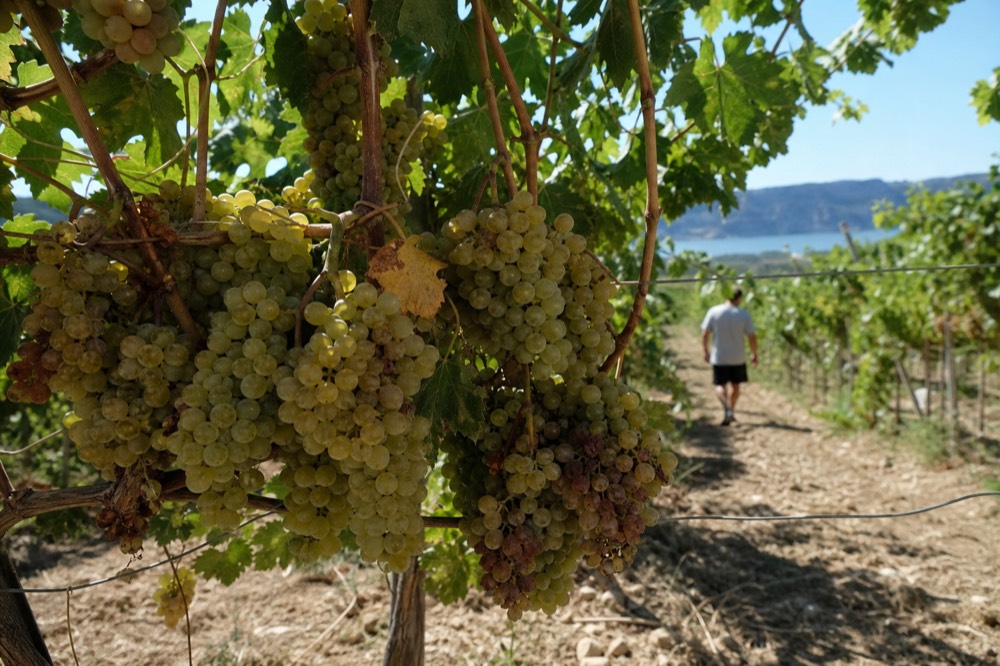
What makes the wine distinctive is the soil rather than any dramatic cellar technique. The zone is a band of compact white clay laid down by the ancient Garda glacier, and it gives Turbiana a mineral, saline edge that the same grape rarely shows in the volcanic hills of Soave, where it is known as Trebbiano di Soave. The prior vintage came in at 206,336 hectolitres, over 27.5 million bottles, and the average shelf price sits around EUR 9.10 a bottle (checked September 2026), which tells you this is a working wine drunk locally by the glass, not a collector's label.
The scale of the denomination surprises people who expect a boutique zone. Over 60% of those bottles leave Italy, with Germany and northern Europe the traditional anchor markets, and the consorzio launched a Gruppo Giovani Lugana in 2026 that put 31 under-40 producers into decision-making roles. For a visitor, the practical effect is that the tasting rooms around Sirmione and Peschiera are set up for walk-in and short-notice visits in a way that Valpolicella's famous estates, with their prepaid, reservation-only programmes, are not.
Here is the denomination at a glance, side by side with its western neighbour.
| Lugana DOC | Custoza DOC | |
|---|---|---|
| Main grape(s) | Turbiana min 90% | Min 70% from three or more of Garganega, Trebbianello, Trebbiano, Bianca Fernanda |
| Zone | South shore of Lake Garda, Brescia and Verona provinces | Nine communes on the Garda moraine, Verona province |
| Size | About 2,600 ha | About 1,400 ha |
| Growers | 214 | Consorzio members across the moraine communes |
| Max yield | 12.5 t/ha (Superiore 11 t/ha) | 130 q/ha (Superiore 120 q/ha) |
| Recognised types | Lugana, Superiore, Riserva, Vendemmia Tardiva, Spumante | Custoza, Superiore, Riserva, Spumante, Passito |
Why does Lugana straddle the Brescia and Verona line?
Lugana is one of the few Italian DOCs split across two provinces: the zone covers the Brescia-side communes of Sirmione, Desenzano, Lonato and Pozzolengo, plus Peschiera del Garda, which is the only commune on the Verona side of the line. The glacier that deposited the clay did not consult the provincial map drawn centuries later.
That split matters for anyone planning a Verona-based trip. Almost the whole denomination is in Lombardy, but the easiest access point for a visitor staying in Verona is Peschiera del Garda, which sits on the Veneto bank at the lake's outflow into the Mincio. The regional train from Verona Porta Nuova to Peschiera takes about 13 minutes, and from Peschiera you can cross into the heart of the zone by bike, bus or a short drive. The southern shore is genuinely flat, unlike the terraced hills of Valpolicella or Soave, so cycling between cellars is realistic.
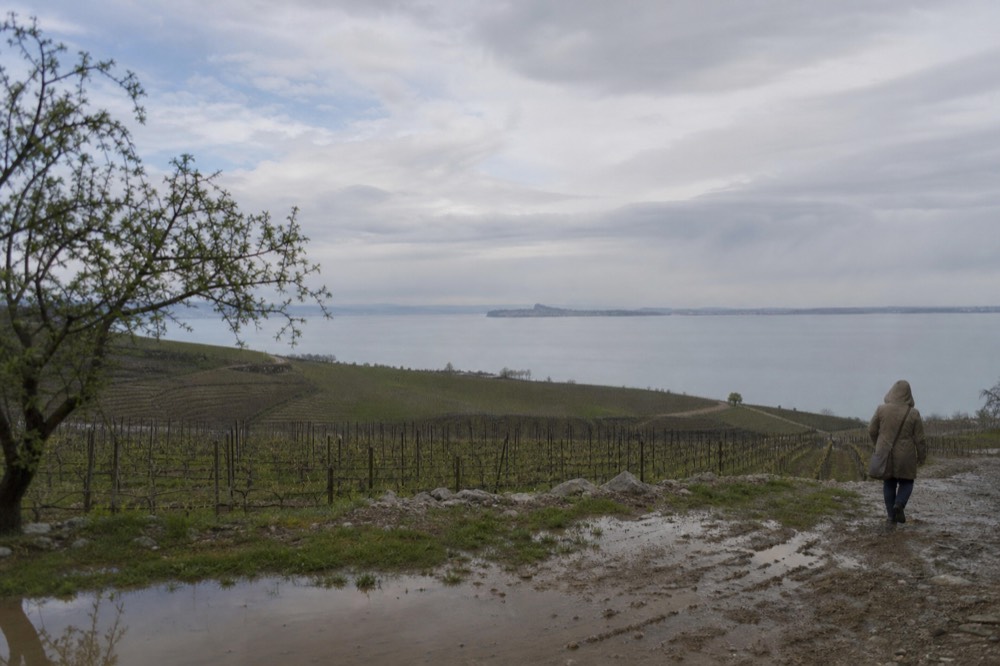
Sirmione itself, the peninsula that pokes into the lake between Peschiera and Desenzano, is the zone's postcard. The town is dominated by the Scaligero castle at the harbour, which charges EUR 10 full entry and opens Tuesday to Sunday 08:30-19:15, closed Mondays (checked September 2026). Combine a castle visit with a boat trip and a tasting and you have the classic Lugana day out, which is exactly the format the Garda Tours operator runs.
If that sounds like your kind of afternoon, these are the tours from our roster that fit the south shore best.
The first of those is the one built around the Lugana shore itself: a historic boat cruise from Sirmione with a wine tasting and snacks, run by Garda Tours, rated 4.6 across 297 reviews and priced from around $116 (checked September 2026). It departs from a meeting point in Sirmione rather than offering hotel pickup, minimum numbers apply, and it often sells out, so it is worth booking ahead in summer. Check availability if the date matters to your itinerary.
Is Lugana sweet or dry?
No, standard Lugana is a dry white wine. The disciplinare caps residual sugar at 25 grams per litre for the still types, which keeps them firmly in dry territory, and the only sweet styles are the late-harvest Vendemmia Tardiva and certain sparkling bottlings.
The confusion usually comes from the name. Visitors hear "Trebbiano" and think of the soft, faintly sweet mass-market whites of central Italy, or they meet Lugana at a lakeside restaurant served ice-cold next to lake fish and read the rounded texture as sweetness. In the glass, the base wine is typically citrus and white flower with a saline finish, the Superiore tier adds body and a smoky, almost flinty note from lees aging, and the Riserva deepens further.
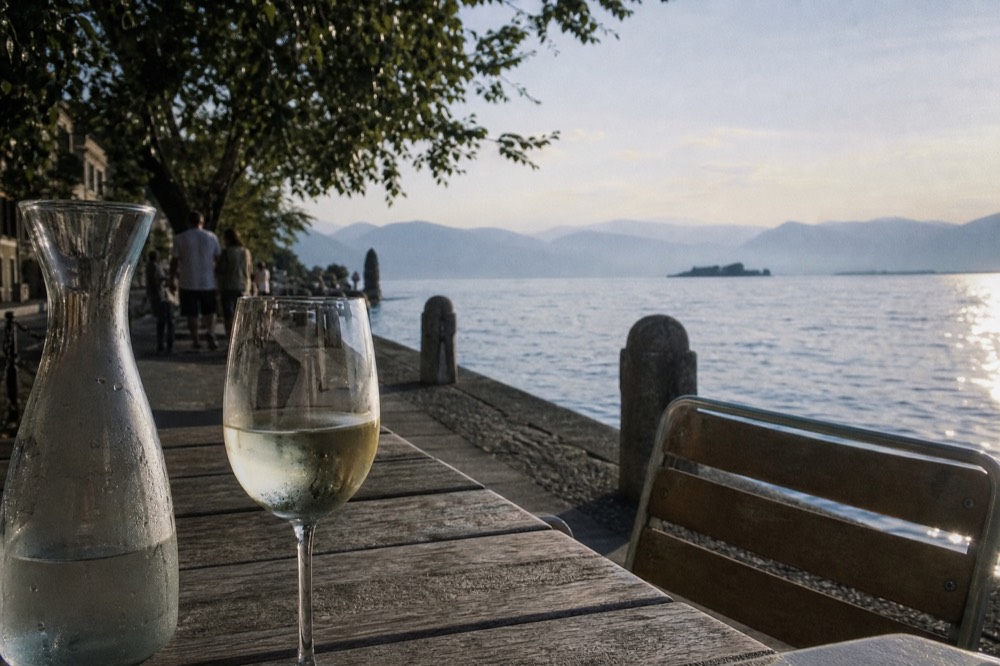
Food pairing follows from the dryness. The local canon is lake fish, coregone and carpione from Garda, risotto with tench from the Mantuan lakes, and the fried sardine-in-saor tradition of the Veneto shore. A Superiore or Riserva has enough weight for the freshwater-fish risotti that the south shore does better than anywhere in the region. If you want to see how the region's other whites compare, our Lake Garda wine tour guide covers the red side of the same shore, and Bardolino wine explained handles the rosato the lake is best known for.
The style ladder is easiest to read as a table of what you should expect in the glass at each tier.
| Lugana type | What it tastes like | When to order it |
|---|---|---|
| Basic Lugana | Citrus, white flower, saline finish, served cold | Aperitivo, lake fish, light antipasti |
| Superiore | Fuller body, smoky or flinty note from lees aging | Risotto, grilled fish, aged cheese |
| Riserva | Waxy, deep, almost Burgundian texture | Special occasions, cellar-list finds |
| Vendemmia Tardiva | Sweet, late-harvest concentration | Dessert, blue cheese |
| Spumante | Sparkling, fresh, Turbiana-driven | Aperitivo, celebration |
What is Custoza wine?
Custoza is a blended white DOC from about 1,400 hectares across nine communes on the Garda moraine hills west and south of the lake, between Peschiera and the Mincio. By rule at least 70% of the blend must come from three or more of Garganega, Trebbianello, Trebbiano and Bianca Fernanda, with no single one exceeding 45%.
Where Lugana is a single-grape statement, Custoza is a negotiated chorus. Bianca Fernanda is a local clone of Cortese, Trebbianello is a local biotype of Tocai friulano, and Garganega is the same variety that anchors Soave to the east. Up to 30% of the blend may come from Malvasia, Riesling, Pinot bianco, Chardonnay and Incrocio Manzoni 6.0.13. The zone covers Sommacampagna, Sona, Villafranca, Valeggio sul Mincio, Peschiera, Castelnuovo del Garda, Lazise, Pastrengo and Bussolengo, and yields run to 130 quintals per hectare for the base wine and 120 for Superiore. The types include Custoza, Superiore, Riserva, Spumante and Passito.
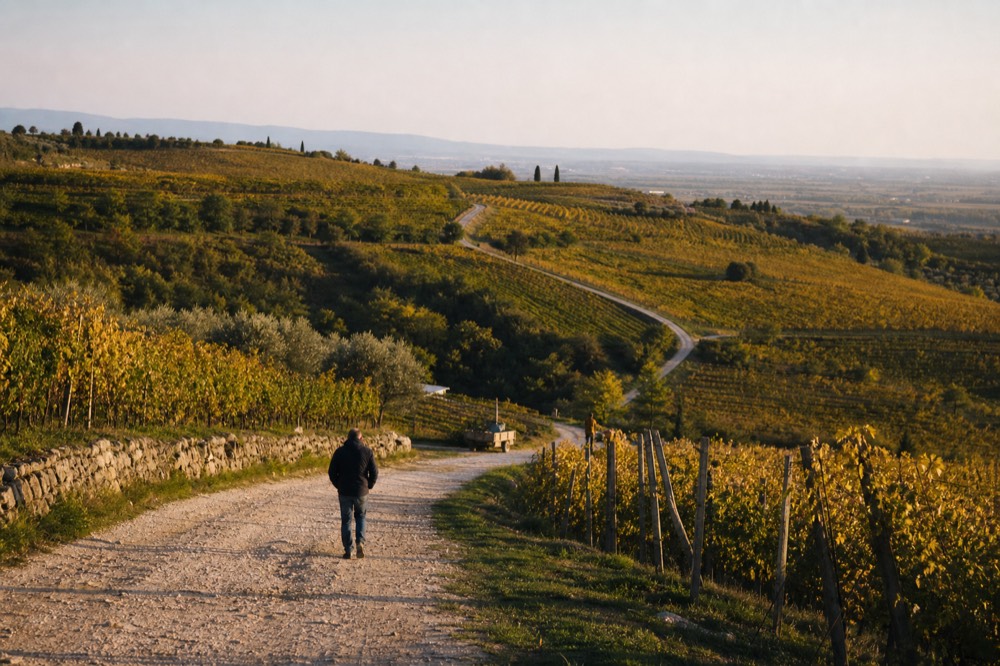
The denomination is smaller in bottle terms than its surface suggests. Custoza bottled 72,178 hectolitres in 2025, and stocks from the prior vintage stood at a historic low of 13,700 hectolitres, which the consorzio reads as a zone finally selling everything it makes (checked September 2026). In practice you will find Custoza on nearly every wine list between Verona and the lake, usually at gentle prices, and it is the house white of the trattorie around Valeggio's famous tortellini. The village of Custoza itself, now part of Sommacampagna, gives the DOC its name and carries the memory of two Risorgimento battles fought across these same hills.
Because the blend is fixed by regulation rather than fashion, Custoza tastes consistent from producer to producer in a way few Italian whites manage: floral, lightly herbal, medium-bodied, always dry. It is the wine to order when the menu offers nothing local you recognise. The blend's building blocks look like this.
| Custoza variety | Role in the blend | Local identity |
|---|---|---|
| Garganega | Core variety, max 45% | The same grape that anchors Soave |
| Trebbianello | Core variety, max 45% | Local biotype of Tocai friulano |
| Trebbiano | Core variety, max 45% | Workhorse white of the blend |
| Bianca Fernanda | Core variety, max 45% | Local clone of Cortese |
| Malvasia, Riesling, Pinot bianco, Chardonnay, Manzoni 6.0.13 | Up to 30% total | Optional aromatic support |
How do Lugana's Superiore and Riserva tiers work?
Lugana Superiore must be aged at least 12 months from 1 October of the harvest year, and Riserva at least 24 months including 6 in bottle. Custoza's Riserva tier exists since 2019, and both zones also make sparkling and late-harvest styles under their own rules.
The aging ladder is the useful thing to check on a label, because it predicts the weight of the wine better than the vintage does. Here is how the tiers line up across both denominations.
| Type | Minimum aging | Key rule |
|---|---|---|
| Lugana | None beyond the base rules | Max yield 12.5 t/ha, residual sugar max 25 g/l |
| Lugana Superiore | 12 months from 1 October of harvest | Max yield 11 t/ha |
| Lugana Riserva | 24 months, of which 6 in bottle | Same 11 t/ha ceiling |
| Lugana Vendemmia Tardiva | Late harvest, sweet style | Outside the dry cap |
| Lugana Spumante | Method and aging per the sparkling rules | Turbiana min 90% applies |
| Custoza Riserva | Riserva type recognised since 2019 | Max yield 120 q/ha for Superiore |
A Superiore Lugana is the tier to seek out at table: the extra year on lees gives the wine the structure that lake-fish dishes and aged cheese want, and the price step up from the basic bottle is usually modest. Riserva Lugana is a rarer sighting and worth ordering when a list has one, because Turbiana at two-plus years is a completely different proposition, waxy and almost Burgundian in texture.
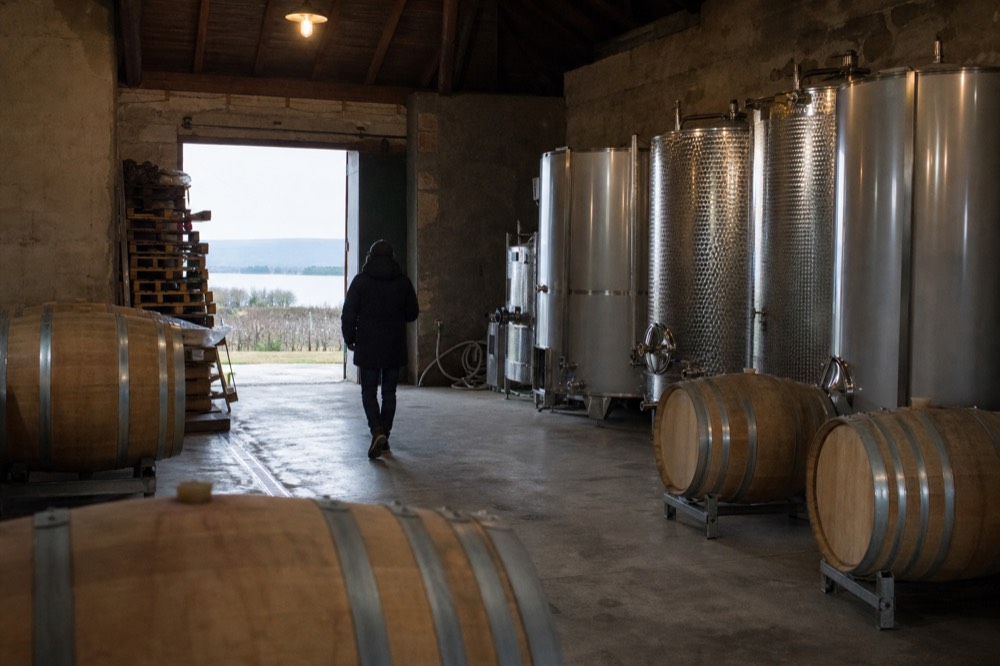
The same logic applies to visiting. Estates on the south shore typically pour their ladder, base, Superiore, Riserva, sometimes a Spumante, in one sitting, so a single appointment teaches you the whole denomination. That is a contrast with the famous Valpolicella houses, where the published programmes run from about EUR 25 to 80 for a standard cellar tour and tasting, typically EUR 40-60, with premium and vertical formats at EUR 100-150 (checked September 2026), and where reservation is the rule with most estates closed Sunday.
Where can you taste between Peschiera and the Custoza hills?
The practical tasting circuit runs from Peschiera del Garda south through the Lugana clay around Sirmione and Pozzolengo, then west across the moraine to the Custoza hills around Sommacampagna, Sona and Valeggio sul Mincio, all within about 30 kilometres of driving.
You do not need a car for every part of it. Peschiera is 13 minutes from Verona by regional train, the lake ferries connect Peschiera, Sirmione and the western shore towns, and from 1 April 2026 a whole-lake day ticket costs EUR 39.50 while a one-zone day ticket is EUR 23.50 (checked September 2026). The moraine hills behind Lazise and Bardolino, where the red side of the shore lives, are a separate outing covered in our wineries near Verona guide.
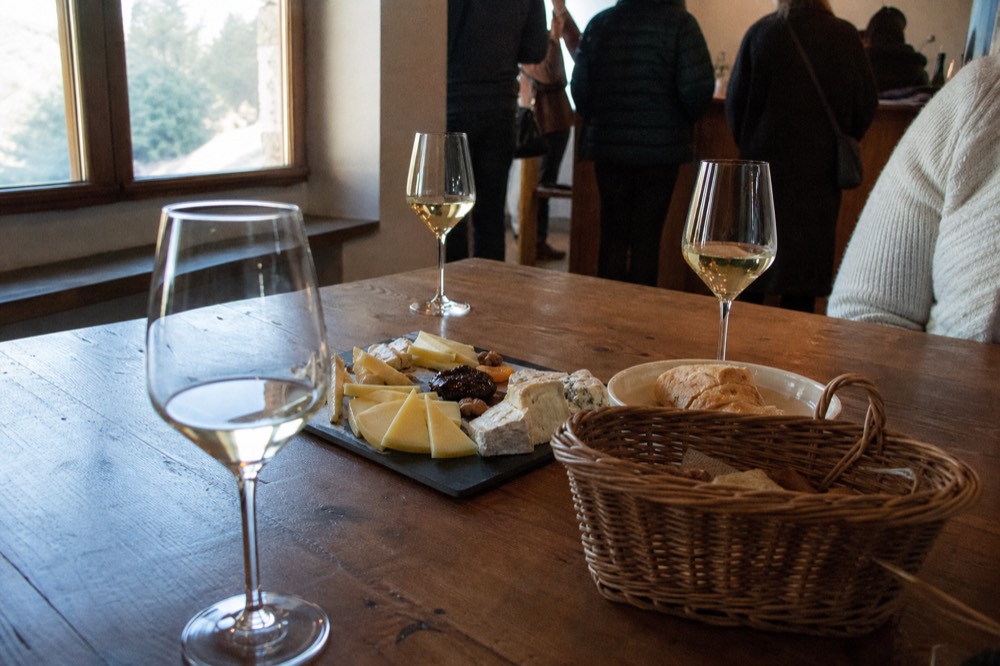
If you would rather have someone else arrange the day, the roster has two winery-direct options on this side of the lake. A family cantina in the Garda hills above Bardolino runs a vineyard walk, cellar visit and a tasting of four wines with cold cuts, cheeses and bruschetta, rated 4.8 across 155 reviews and from around $52 (checked September 2026); you meet at the winery, as there is no transport included.
Further from the lake but the cheapest guided option in the whole roster, a Soave estate offers a terraced-vineyard walk, barrel cellar and a sensorial tasting of four organic wines with a cured-meat and cheese platter, from around $34 (checked September 2026), rated 4.9 with 17 reviews so far. It is a different valley, but it shows the same Garganega that appears in Custoza's blend, which makes it an interesting comparison bottle.
For independent visiting, the norm on the south shore matches the wider region: book ahead, expect Monday-to-Saturday hours at most estates, and allow EUR 25-80 per person for a standard cellar tour and tasting with typical fees around EUR 40-60 (checked September 2026). The zone's advantage is proximity: several Lugana estates sit within cycling distance of Peschiera, and the Custoza consorzio's member list clusters around Sommacampagna and Sona, both under half an hour from Verona by car.
How do you build a Lugana and Custoza day trip from Verona?
Take the regional train from Verona Porta Nuova to Peschiera del Garda, about 13 minutes, and work from there: the Sirmione peninsula and its castle for the morning, a boat cruise or cellar tasting at midday, and the Custoza hills in the afternoon if you have a car or a taxi booked.
The car-free version is entirely viable. Peschiera's walled town, the lakefront at Sirmione, and the ferries between them fill a day without driving, and the Sirmione boat cruise with tasting slots neatly into an afternoon. The castle's Monday closure (checked September 2026) is the main scheduling trap: on Mondays, invert the day and put the Custoza hills, whose estates mostly open Monday to Saturday, in the morning instead.
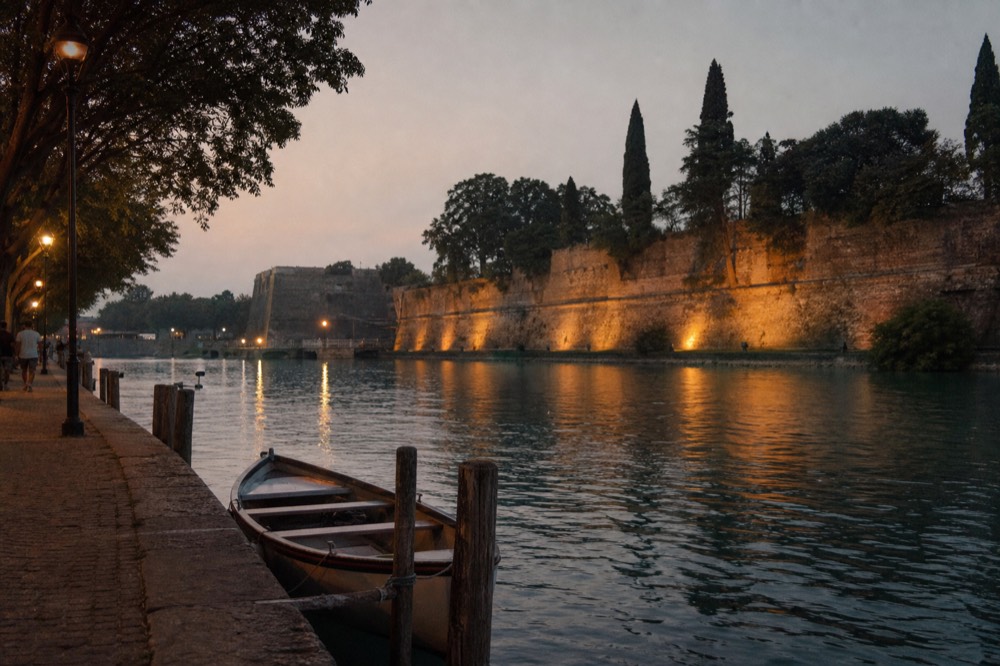
With a car, the loop is short. Peschiera to Sirmione is about 15 minutes, Sirmione to the Custoza hills around Sommacampagna another 25, and back to Verona under an hour. Driving distances from central Verona are modest: Lazise is 26 km and about 30 minutes, Bardolino 38 km and 38 minutes, and Peschiera sits just past them on the same shore road. If you are planning a wider week in the region, our day trips from Verona guide ranks the whole set of outings, wine and otherwise.
The boat cruise from Sirmione remains the single easiest way to put Lugana in your hand on a first visit, since it needs no car, no booking with an estate, and no planning beyond a ticket. It is the tour we point people at when they ask for one relaxed south-shore afternoon rather than a full cellar-hopping day.
One legal note worth repeating for any self-drive tasting day: the Italian blood-alcohol limit is 0.5 g/l, with a zero limit for drivers under 21, anyone in the first three years of a category B licence, and professional drivers (see What are the big 3 Italian wines?). Fines in the 0.5-0.8 band run from EUR 543 to 2,170 with a 3-6 month licence suspension, and a night-time uplift applies between 22:00 and 07:00. Tastings are small pours, but four estates add up, so the ferry-and-train version of this trip is not just the greener option.
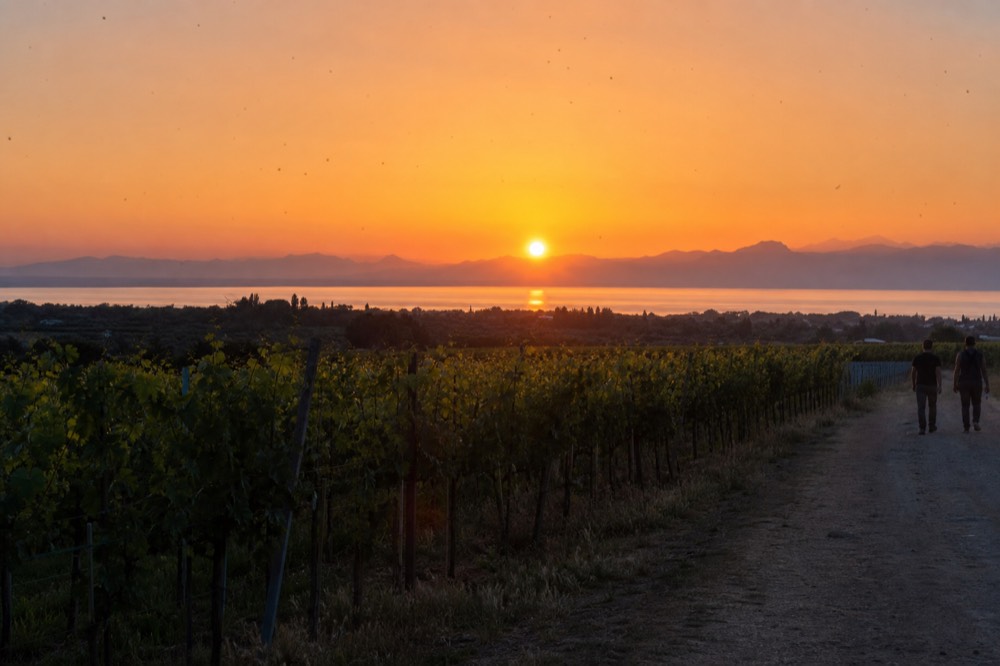
Whichever version of the day you choose, the two south-shore whites reward the trip precisely because they are unfamous. A Verona visit built around Verona Wine Tours usually means Amarone cellars and hilltop estates; the flat clay below the lake is where the region drinks on a Tuesday. These are the three tours from our roster that fit the south shore and its neighbours best.
These are the questions visitors ask most often about the two south-shore whites: whether Lugana is sweet, what Custoza is made from, which grape carries Lugana, and how to reach the zone without a car. The short answers below cover the essentials in one place.
Common questions about Lugana and Custoza
Is Lugana sweet or dry?
Dry. The still types of Lugana are capped at 25 grams of residual sugar per litre, which keeps them firmly dry; only the late-harvest Vendemmia Tardiva and some sparkling bottlings register as sweet styles.
What is Custoza wine?
A blended white DOC from about 1,400 hectares across nine communes on the Garda moraine west of the lake. At least 70% of the blend must come from three or more of Garganega, Trebbianello, Trebbiano and Bianca Fernanda, with no single variety above 45%.
Which grape makes Lugana?
Turbiana, known elsewhere as Trebbiano di Soave, must make up at least 90% of the wine. The remaining 10% may come from other non-aromatic white varieties.
Can you visit Lugana wineries without a car?
Partly. Peschiera del Garda is about 13 minutes from Verona by regional train, and several estates plus the Sirmione peninsula are reachable by bike, bus or ferry from there. The Custoza hills are easier with a car or a taxi.
How long does Lugana Superiore age?
At least 12 months from 1 October of the harvest year, from a maximum yield of 11 tonnes per hectare. Riserva requires 24 months including 6 in bottle.
Is Lugana in Veneto or Lombardy?
Both. The zone straddles the provincial line: Sirmione, Desenzano, Lonato and Pozzolengo are in Brescia province, Lombardy, while Peschiera del Garda is the only Verona-province commune on the Veneto side.