Is Verona in Italy worth visiting?
An honest case for two nights in Verona: one day for the Arena and Juliet's courtyard, one for Valpolicella wine country, with a two-day plan, Verona Card prices and opera-season dates.
Is Verona in Italy worth visiting?
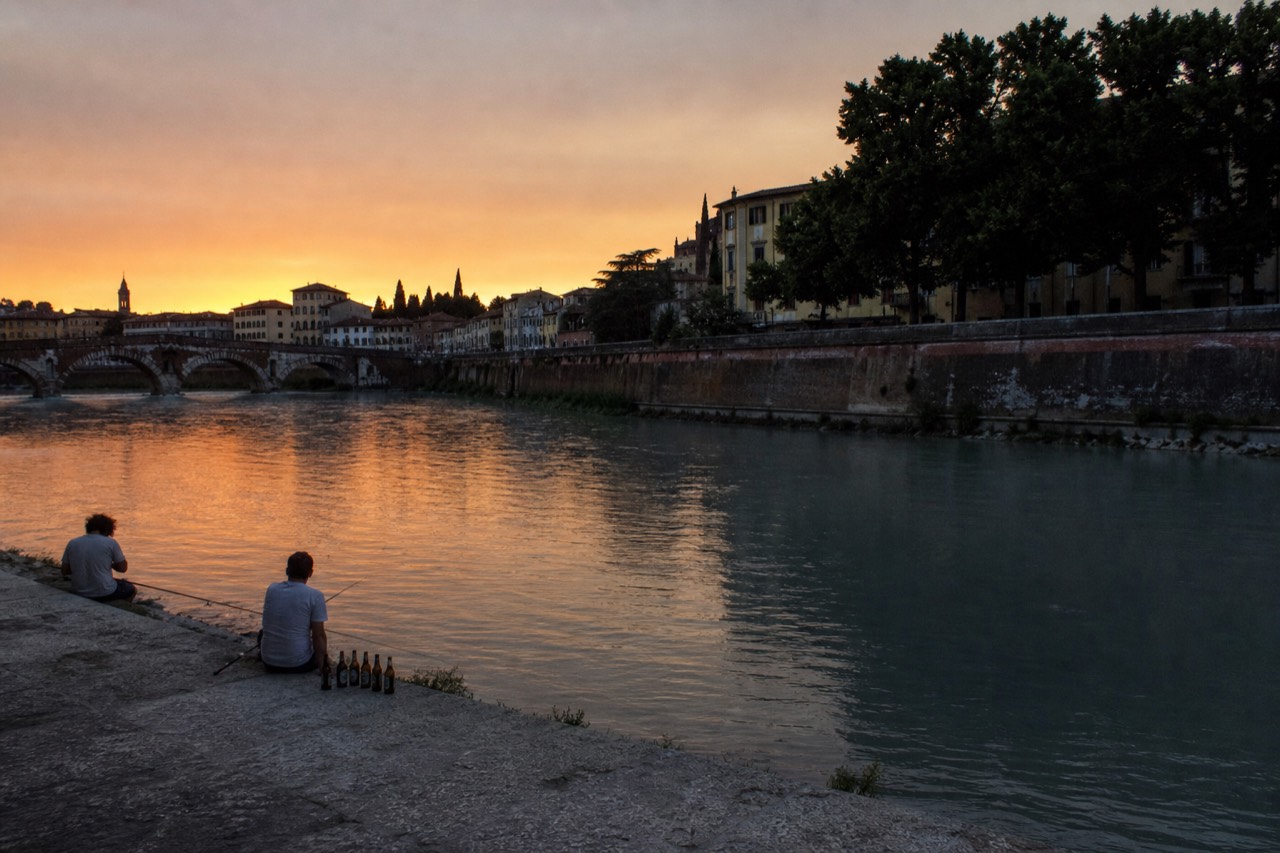
Yes, for most travellers, and the strongest version of a Verona trip is two nights: one day for the Arena, Juliet's courtyard and the old centre, and one day for the wine country that begins about 20 minutes outside the walls. Verona is a mid-sized city on a tight bend of the Adige, reachable in about 70 minutes by high-speed train from Venice or Milan. It delivers a Roman arena still in use, medieval squares, and one of Italy's great red-wine regions, Valpolicella, at the edge of town. The Juliet association draws a large crowd to one small courtyard, which is the city's main downside, but that crowd is concentrated in a few spots you can route around in an afternoon.
The case for Verona is density. The Arena, Piazza Bra, Piazza delle Erbe, Castelvecchio, Torre dei Lamberti and the Roman theatre all sit within a 20-minute walk of each other. The historic centre is a camera-controlled limited-traffic zone, so the streets you walk are largely free of through traffic. And the city is a genuine working place, not a theme park: it hosts Vinitaly, one of the world's largest wine trade fairs, every April, and the Arena opera festival runs a full summer season. You will share the centre with locals doing their shopping, not only with other visitors.
The honest case against is seasonality and crowds. July and August bring a mean daily maximum of about 30 degrees, opera audiences of thousands, and peak coach tourism at Casa di Giulietta. If you come in those months, book the courtyard's timed entry early, plan indoor stops for midday, and treat the wine country as the cooler half of your day. November is the wettest month, with 85 millimetres of rain on the long-run averages, so a late-autumn visit trades crowds for umbrellas.
For many visitors the wine half is what tips the verdict, and it is the reason this site exists. A half-day in Valpolicella, with Amarone and Ripasso poured at the source, costs from around $105 with hotel pickup from central Verona (checked September 2026). If Verona were only Juliet and the Arena, it would be a strong day trip. With the wine country attached, it justifies the hotel night, and the tasting rooms of Valpolicella, Soave and the Garda shore are all within an hour of the centre.
What is Verona, Italy best known for?
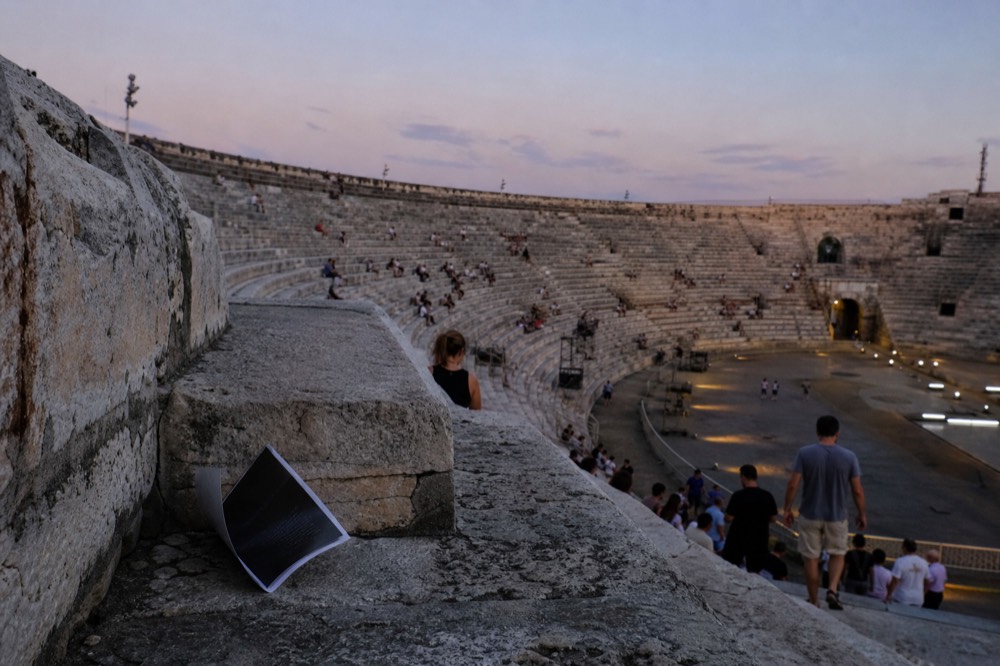
Verona is best known for three things: the Roman Arena, a remarkably preserved amphitheater that hosts a famous summer opera festival; its deep association with Romeo and Juliet, which draws visitors to Juliet's house and other Shakespeare-linked sites; and the wines of the surrounding region, above all Amarone della Valpolicella, one of Italy's most celebrated reds. The Arena is a first-century Roman amphitheatre that holds an opera audience in the thousands; the 2027 festival, its 104th edition, runs 11 June to 11 September with La Traviata, Nabucco, Carmen, two productions of Aida and a Romeo and Juliet ballet (checked September 2026). Tickets run from about EUR 22 for numbered stone steps to over EUR 300 for the front rows (checked September 2026), per the arena's own pricing. The Juliet connection is literary rather than historical, but the city leans into it: from 1 April 2026, Casa di Giulietta and its courtyard are entered only via Teatro Nuovo with mandatory online booking, at EUR 5 for the courtyard and EUR 12 for the full visit (checked September 2026).
The wine fame is less shouted but more substantive. Valpolicella's vineyards, about 8,600 hectares of them, start roughly 15 kilometres from Piazza Bra. Amarone, the dried-grape red the region is famous for, must age at least two years and reach at least 14% alcohol under the production rules, and no more than 65% of the permitted crop may be set aside to dry. A visitor can stand in the Arena at night and be tasting Amarone in a cellar the next morning; very few Italian cities offer that combination at that distance.
The city also anchors a wider food-and-wine region (see Verona Cooking Class: Food and Wine Experiences in the Veneto Countryside). Soave's Garganega vineyards are about 31 kilometres east, Bardolino and Chiaretto are on the lake shore at Bardolino about 38 kilometres west, and Lugana's Turbiana whites start just beyond Peschiera del Garda. Our overview of the Verona wine region maps how those denominations fit together around the city, and it explains why the same trip can reasonably taste a heavy dried-grape red and a light lakeshore rosato within a day of each other.
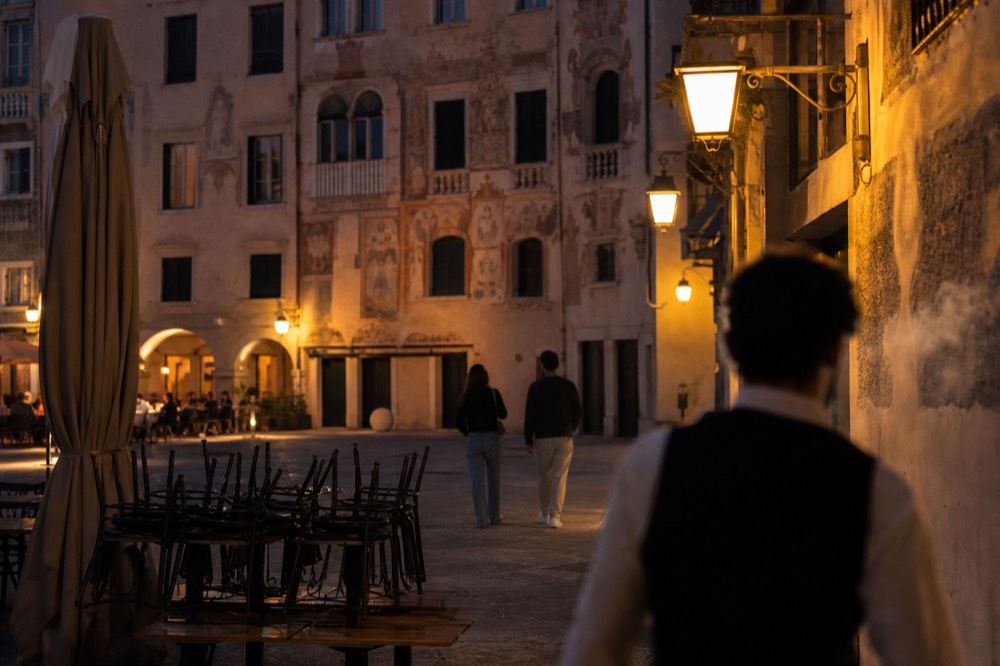
One practical note that shapes every Verona day: the historic centre is a camera-controlled limited-traffic zone with 11 electronic gates, in force since 1997. Unregistered visitor cars are effectively excluded at all times; there is no official open window. Hotel guests may drive in, but only after the hotel registers the plate with the authorities, and that exemption does not cover holiday apartments. Arriving by train avoids the whole question, and the station is a 15-to-20-minute walk from Piazza Bra, which is close enough that most visitors never need a taxi inside the city.
Why is Verona, Italy so famous?
Verona is famous because Shakespeare set Romeo and Juliet there, because its Arena survived as a working opera house rather than a ruin, and because UNESCO listed the entire historic centre as an outstanding example of a fortified city that has developed continuously over two thousand years. The Shakespeare link is the popular engine. Two houses in the city, one with a balcony and one with a tomb, were identified with the fictional lovers in the nineteenth and twentieth centuries, and the city has never discouraged the association. The courtyard now draws a dense, year-round crowd, which is why the timed-entry system was introduced in 2026.
The Arena is the deeper fame. Built in the first century, it survived a medieval earthquake that destroyed most of the outer ring and left the inner ellipse intact, which is why the building you see today is an open horseshoe of stone rather than a complete third tier. Opera performances began there in the early twentieth century with Aida, and the festival has run almost every summer since. The 2027 programme, published by the arena, confirms the season and the five titles (checked September 2026). Standing on the stone steps where the cheap tickets are, you are sitting on seats Romans used, and the production below is live opera, not a re-enactment.
The third pillar is the setting. The Adige loops around the old centre in a tight S-bend, crossed by the Ponte Pietra, a Roman bridge rebuilt after the Second World War, and the Ponte Scaligero by Castelvecchio. The hills on both sides are wine country: Valpolicella to the north-west, Soave to the east, the Garda moraine to the west. Fame in Verona is layered, Roman below, medieval in the middle, romantic on top, and vinous on the edges.
The wine half of that fame is easy to join. The small-group half-day Amarone tour from Verona picks up at hotels in the centre and pours at least four Valpolicella wines, the full ladder from Valpolicella through Ripasso to Amarone and Recioto, with bread, cheese and salami, from around $105 per person (checked September 2026). It is rated 4.8 across 146 reviews and often sells out, so it belongs near the front of your booking list. If you want the same styles explained side by side before you taste them, our Amarone versus Valpolicella comparison covers the differences, and every listing in our roster offers free cancellation if plans shift.
How many days in Verona is enough?
Two full days is the right answer for most travellers: one for the city and one for the wine country, which is enough to see the Arena, the main squares and Juliet's courtyard, and to taste in Valpolicella or by the lake without rushing. One day covers the city core comfortably if you start early, before the courtyard queue builds. Three days lets you add Soave or a full lake afternoon. Day-tripping from Venice or Milan is possible, about 70 minutes by high-speed train either way, but it forces you to choose between the city and the wine, and the wine country is half of what makes Verona worth the stop.
Here is a two-day plan that balances the crowd-heavy centre with the quieter hills:
| Day | Morning | Afternoon | Evening |
|---|---|---|---|
| Day 1, city | Arena and Piazza Bra, then Piazza delle Erbe and Torre dei Lamberti | Casa di Giulietta at a booked time slot, then Castelvecchio and the Ponte Scaligero | Opera at the Arena in season, or dinner in Veronetta |
| Day 2, wine | Half-day Valpolicella tour with hotel pickup, two tastings including Amarone | Return by mid-afternoon, Roman theatre and Castel San Pietro view | Aperitivo on Piazza delle Erbe, early night |
The Verona Card fits the city day well: from 1 September 2026 it costs EUR 33 for 24 hours and EUR 38 for 48 hours, urban bus included, with app-only versions at EUR 29 and EUR 32 without the bus (checked September 2026). It covers the civic museums and monuments, and Verona Card holders still need to book the timed Casa di Giulietta entry online, though access itself is included. Whether the card pays off depends on how many monuments you enter; at Arena daytime entry plus two or three museums, the 24-hour card generally wins over single tickets.
Timing matters as much as duration. September and October bring the harvest to Valpolicella, daytime highs easing from about 25 degrees, and the opera season's final performances. July and August are hottest and busiest. Our month-by-month guide to the best time to visit Verona breaks the trade-offs down, from the spring festivals to the winter light on the empty squares.
Is it worth staying overnight in Verona?
Yes, and the overnight stay is what unlocks the wine country: the half-day tours with hotel pickup only work if you are sleeping in the city, and the evening, when the day crowds drain out and the Arena lights up, is the best part of a Verona day. Verona at night is a different place. The courtyard queues vanish, the bridges quiet down, and in opera season the whole city walks toward the Arena after dinner. Day-trippers see the crowded version and leave before the good part.
The practical side is friendly. The tourist tax in 2026 runs at EUR 5 per person per night at five-star hotels, EUR 4.50 at four-star and EUR 3.50 at three-star, capped at four nights (checked September 2026). Hotels inside the limited-traffic zone can register your plate so you can drive in; holiday apartments cannot, which matters if you are arriving by car. The train station is close enough that a hotel near Piazza Bra or in Veronetta needs no taxi, and the walk from Porta Nuova passes two of the city's quieter churches on the way.
The second night also opens the lake. Sirmione, the peninsula town on Garda's south shore, is a short train ride to Peschiera and a hop onward, and the historic boat cruise from Sirmione with wine tasting and snacks, run by Garda Tours, gives you the castle from the water plus a glass in hand, from around $116 (checked September 2026). It is rated 4.6 across 297 reviews, minimum numbers apply, and it often sells out. If your second day is wine-focused on land instead, the panoramic tasting at a family cantina in the hills above Verona pours five wines, from a white IGT up to Amarone, with a cold-cuts platter and a view, from around $53 and rated 4.9 across 279 reviews (checked September 2026).
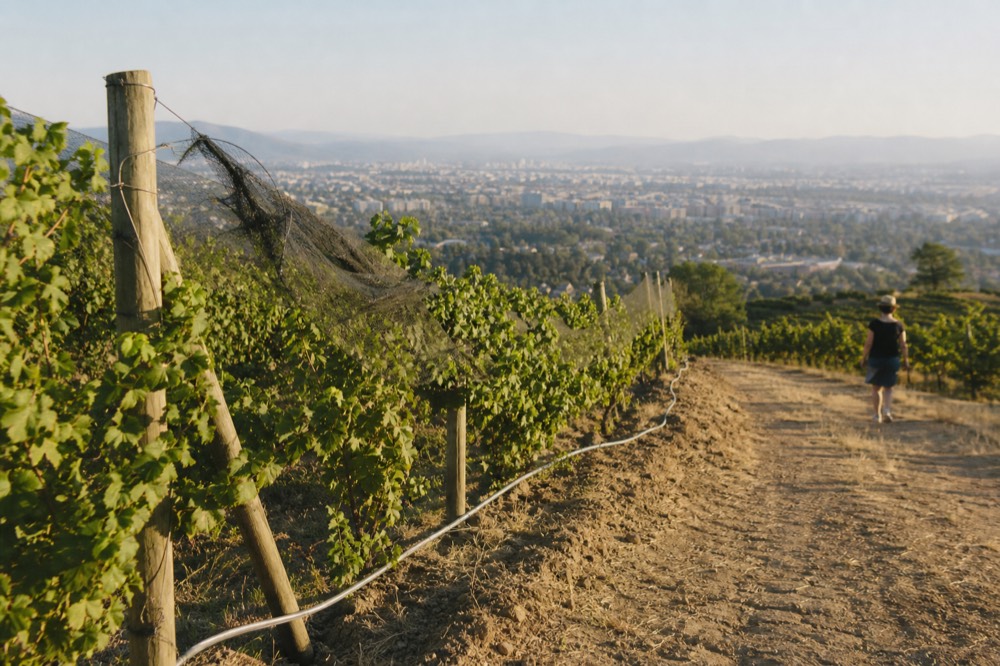
So the verdict, stated plainly: Verona is worth visiting, and it is worth two nights rather than one day. Come for the Arena and the Shakespeare association if that is what drew you, but plan the wine day, because that is the half of the city that most visitors underweight and few regret. If you want the full wine-country picture before you commit, Verona Wine Tours covers every tour format from the city, the lake and Venice.
The lake cruise is the other half of that second-day decision, and it pairs well with an overnight stay because the morning departures from Sirmione are calm in a way the afternoon ones are not. Either way, book before you travel: the sell-out flags on both listings are verified, and the free-cancellation terms mean an early booking costs you nothing if the weather turns.
Whichever way you split the two days, the trio below covers the three formats most visitors end up choosing: the half-day Amarone tour from the city, the winery-direct panoramic tasting in the hills, and the Sirmione boat cruise with wine. All three offer free cancellation, and all three print their live prices on the operator's listing.
Verona rewards two nights, one for the city and one for the wine country, and the questions below are the ones travellers ask most before booking. The short answers reuse the detail above, so treat them as a recap rather than a separate plan.
Common questions about visiting Verona
Is Verona in Italy worth visiting?
Yes. Two nights is the sweet spot: one day for the Arena, Juliet's courtyard and the historic centre, one for Valpolicella wine country, which starts about 20 minutes outside the walls.
What is Verona, Italy best known for?
The Roman Arena and its summer opera festival, the Romeo and Juliet association, and the wines of the surrounding region, above all Amarone della Valpolicella.
Why is Verona, Italy so famous?
Shakespeare set Romeo and Juliet there, its first-century Arena survives as a working opera house, and UNESCO listed the entire historic centre as an outstanding example of a continuously developed fortified city.
How many days in Verona is enough?
Two full days for most travellers: one for the city, one for the wine country. One day works if you only want the city core; three lets you add Soave or the lake.
Is it worth staying overnight in Verona?
Yes. The wine tours with hotel pickup require it, and the evening, after the day crowds leave and the Arena lights up, is the best part of the city.