The Verona Wine Region: A Zone-by-Zone Orientation for Visitors
Verona is ringed by six wine denominations, red and white, all reachable inside an hour. This guide maps each zone, what grows there, how far it sits from the city and which tour reaches it.
Short answer
Verona sits inside one of Italy's densest wine belts: Valpolicella and Valpantena to the north-west, Soave to the east, and Bardolino, Custoza and Lugana around Lake Garda. Six denominations lie within about 40 minutes of the centre, with winery-direct tastings from $34 and small-group tours from around $105.
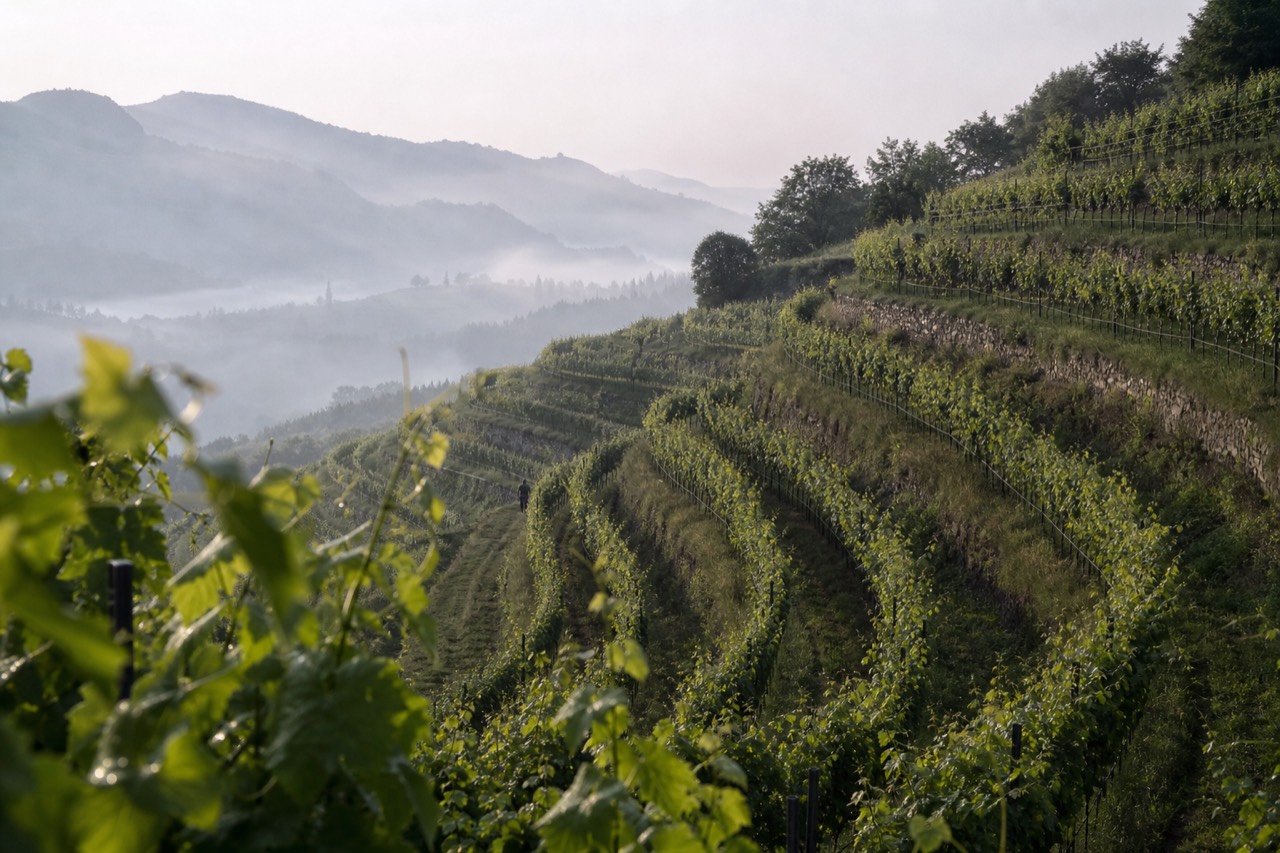
Verona is one of the few Italian cities where you can breakfast in the historic centre and stand in a working vineyard before lunch. The city sits at the junction of two valleys and one lake plain, and each of them grows a different wine under its own denomination rules. Six of them, four red-focused and two white, sit within roughly 40 minutes of Piazza Bra.
This page is the orientation map. It does not answer which wine Verona is famous for, that question has its own article, it answers something more practical: where each zone is, what grows in it, how far it sits from the station and which featured tours actually reach it (see What wine is Verona famous for?). Read it once before you book anything and the whole roster of local wine days starts to make sense.
What wine zones make up the Verona wine region?
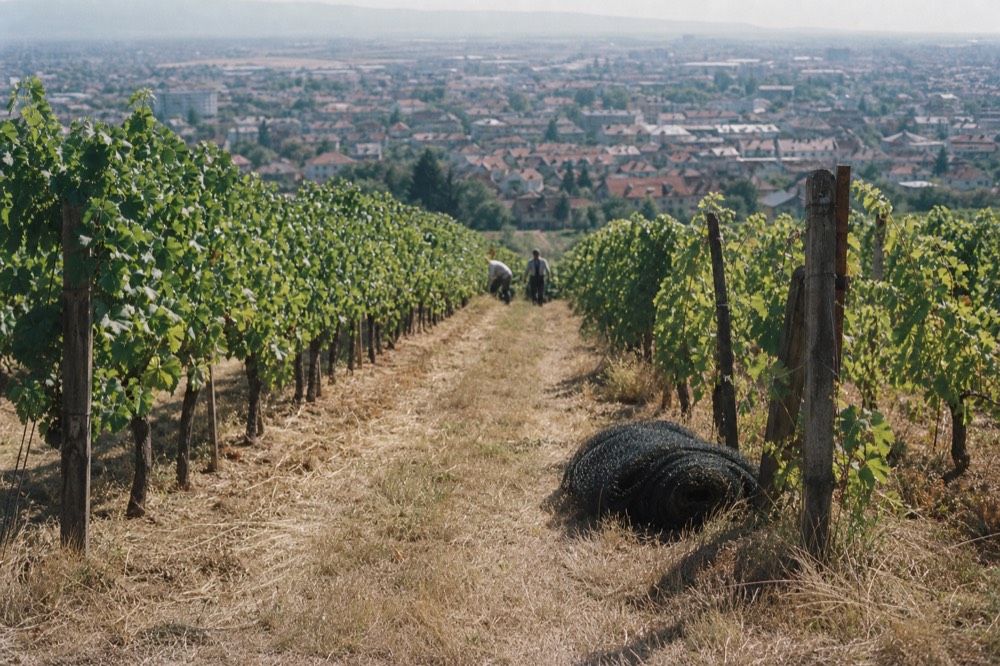
Six denominations surround the city: Valpolicella DOC with its Amarone and Recioto DOCG offshoots plus the Valpantena sub-zone to the north-west, Soave DOC and Soave Superiore DOCG to the east, Bardolino DOC around the south-eastern lake shore, and the white zones Custoza DOC and Lugana DOC on the Garda moraine and south shore. All lie in the provinces of Verona or Brescia, and none is more than about 40 minutes from the centre by car.
The geography is simpler than the Italian labels suggest. North and west of the city, the hills behind Negrar, Fumane, Marano, Sant'Ambrogio and San Pietro in Cariano form the Valpolicella Classico zone, with the Valpantena valley as a separately named sub-zone to its east. East of the city, the Soave zone climbs from the plain around Monteforte toward the walled town of Soave itself. West and south, the land rolls toward Lake Garda, where the moraine hills carry Bardolino and Custoza vines and the flat south shore holds Lugana.
The regulatory ladder matters when you read a label. Valpolicella DOC is the fresh everyday red; Ripasso DOC is the same wine re-fermented on Amarone marc; Amarone della Valpolicella DOCG is the dried-grape flagship at a minimum 14% alcohol; Recioto DOCG is its sweet sibling. Soave runs a parallel ladder from DOC to Superiore DOCG. Bardolino, Custoza and Lugana are single-step DOCs with internal types.
| Zone | Direction from Verona | Main grapes | Denomination level | Which featured tours reach it |
|---|---|---|---|---|
| Valpolicella Classico | North-west | Corvina/Corvinone, Rondinella | DOC, Ripasso DOC, Amarone DOCG, Recioto DOCG | Amarone tasting tour, grand Valpolicella tour, Amarone cellar estate tour |
| Valpantena | North, separate valley | Same as Valpolicella | Valpantena sub-zone of the Valpolicella DOCs | Covered by Valpolicella tours that cross the zone |
| Soave | East | Garganega (min 70%) | DOC, Superiore DOCG, Recioto di Soave DOCG | Soave and Amarone half day, Soave winery-direct tasting |
| Bardolino | South-east, Lake Garda | Corvina, Rondinella | DOC (Classico, Chiaretto, Novello) | Garda hills winery-direct tour |
| Custoza | West, moraine hills | Garganega, Trebbianello, Trebbiano, Bianca Fernanda | DOC | Reached on Garda-side itineraries |
| Lugana | South shore of Garda | Turbiana (min 90%) | DOC | Sirmione castle cruise and tasting, lake-departure Valpolicella lunch tour |
If you want the deep dive on the biggest of the six, the Valpolicella wine tour guide covers the valley road by road.
Can you tour the Verona wine country without driving?
Yes, comfortably. Every zone can be reached without a car: small-group tours with hotel pickup cover Valpolicella and Soave, winery-direct tastings in Soave, the Garda hills and the hills above Verona are reachable by train or bus plus a short ride, and the Lugana shore starts at Peschiera del Garda, about 13 minutes from Verona Porta Nuova by regional train. Only travellers visiting three or more zones in one day need a rental car.
The no-car logic splits by zone. For Valpolicella and the combined Soave-plus-Valpolicella day, transport is solved for you: the small-group products pick up at Verona hotels. The winery-direct tastings are the opposite trade, you handle the journey and pay less, from around $34 for the Soave vineyard tasting up to around $53 for the panoramic cantina above Verona (checked September 2026). Both meet at the winery, so you take a train or a taxi for the last leg.
The lake side is the easiest of all. The regional line from Verona Porta Nuova to Peschiera del Garda takes about 13 minutes, and Peschiera is both a lake-ferry hub and the Verona-province end of the Lugana zone. From there the Sirmione boat cruise with tasting and the lake-departure Valpolicella lunch tour pick up the story.
One honest caveat: the drink-driving law in Italy sets a 0.5 g/l blood-alcohol limit, and zero for drivers under 21 or in their first three years with a B licence. Tastings add up faster than visitors expect. Four pours across two wineries is enough to put a driver over the line, which is the quiet argument for booking anything with transport included.
What makes Valpolicella Classico and Valpantena the heart of the region?
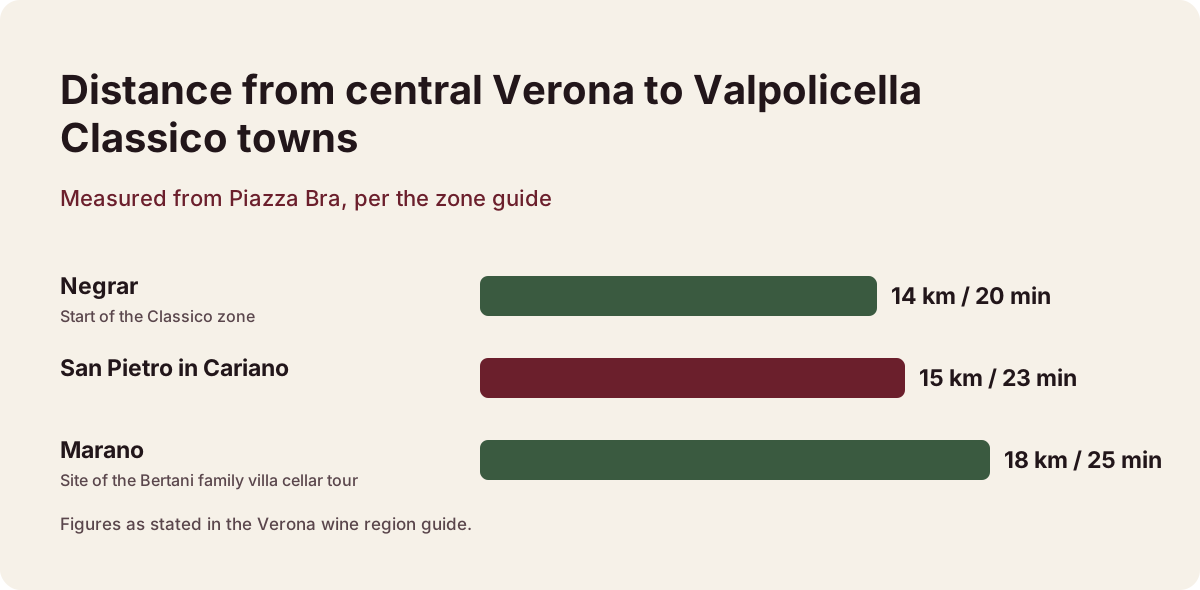
Valpolicella Classico is the five-commune core of the denomination, Negrar, Marano, Fumane, Sant'Ambrogio and San Pietro in Cariano, where the Corvina-based reds range from a fresh 11% DOC to the 14% minimum dried-grape Amarone DOCG. Valpantena is a separately named valley to the east with the same grape rules. The Classico zone starts 14 km and about 20 minutes from central Verona, at Negrar.
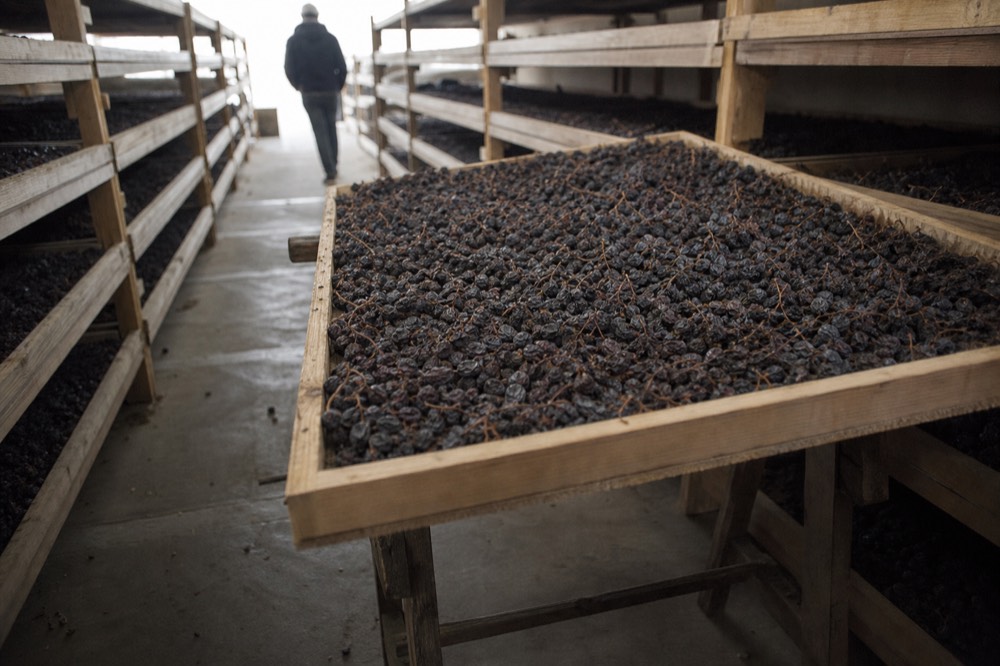
The grape rule is fixed by the disciplinare: Corvina and/or Corvinone between 45% and 95% of the blend, Rondinella between 5% and 30%, and no more than 65% of the maximum crop may be dried on racks for Amarone. Pressing of the dried grapes cannot happen before 1 December, which is why appassimento runs about three to four months and why Amarone carries the price it does.
| Zone element | Rule or figure | Notes |
|---|---|---|
| Classico communes | Negrar, Marano, Fumane, Sant'Ambrogio, San Pietro in Cariano | Valpantena is a separate named sub-zone |
| Grape rule | Corvina/Corvinone 45-95%, Rondinella 5-30% | Same across DOC, Ripasso, Amarone, Recioto |
| Valpolicella DOC | Min 11% alcohol | The fresh, unoaked everyday red |
| Ripasso DOC | Min 12.5% alcohol | Re-fermented once on Amarone marc |
| Amarone DOCG | Min 14% alcohol, 2 years aging | Riserva 4 years |
| Distances from the centre | Negrar 14 km / 20 min; San Pietro in Cariano 15 km / 23 min; Marano 18 km / 25 min | Measured from Piazza Bra; Porta Nuova station is about 1.5 km away |
The featured tours slice this zone differently. The small-group Amarone tasting tour from around $145 pairs two winery visits with two tastings including Amarone and Ripasso, with hotel pickup in the centre (checked September 2026). The historic-estate cellar tour at a Bertani family villa in Marano, from around $42, is the cheapest cellar visit in the set, though the duration is on the listing and you should check the listing for the pickup option (checked September 2026).
The grand tour is the fullest version. It is a small-group day of about 5 hours, two wineries with an Amarone focus and a traditional light lunch plus DOP cheese, salami, chocolate and cake tastings, from around $246 per person, meeting in Piazza Bra rather than at hotels (checked September 2026). You can read the full details on the grand Valpolicella tour page, Check availability if a date is already in your sights.
That lunch format is what separates the grand tour from the shorter cellar visits in the same valley. Two wineries plus a seated traditional meal makes it the day to pick when you want the Valpolicella experience to be the whole day rather than a slot inside one.
Why does Soave anchor the white side of Verona?
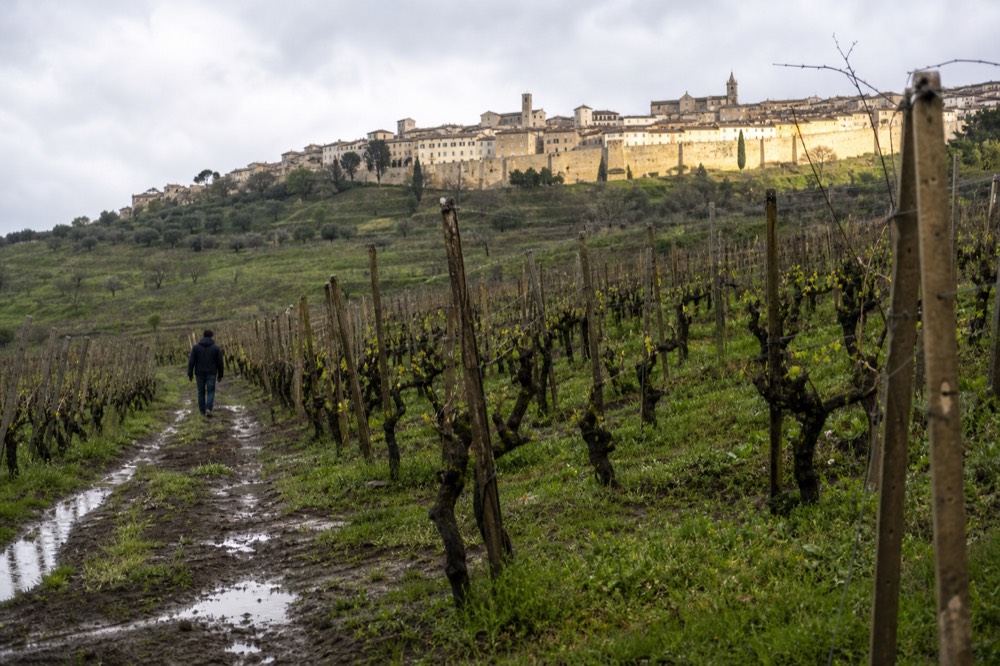
Soave, 31 km and about 28 minutes east of the city, is the white-wine counterweight to Valpolicella: Garganega must make up at least 70% of the blend, the DOC starts at 10.5% alcohol, and the hillside Classico zone around Soave and Monteforte d'Alpone pushes to 11% with a Superiore DOCG at 12%. It is the only one of the six zones whose flagship wine is white.
The zone runs on one grape. Garganega, late-ripening and thick-skinned, covers the volcanic hills of the Classico zone and the plain beyond, with Trebbiano di Soave or Chardonnay allowed up to 30%. The consorzio's own disciplinare summary spells out the ladder, and the Classico boundary is simply the two communes of Soave and Monteforte d'Alpone: the consorzio publishes the full rules.
| Zone element | Rule or figure | Notes |
|---|---|---|
| Grape rule | Garganega min 70% | Trebbiano di Soave/Chardonnay max 30% |
| Soave DOC | Min 10.5% alcohol, 15 t/ha | Sold from December of the harvest year |
| Classico and Colli Scaligeri | Min 11% alcohol, 14 t/ha | Classico = Soave + Monteforte d'Alpone |
| Superiore DOCG | Min 12% alcohol, 10 t/ha | Riserva 12.5% |
| Distance from the centre | Soave 31 km / 28 min | Measured from Piazza Bra |
| Featured tours | Soave and Amarone half day; Soave winery-direct tasting | One with pickup, one meet-at-winery |
Two featured products reach the zone. The winery-direct tasting in Soave, from around $34, is the cheapest product in the whole roster: a terraced-vineyard walk, a barrel cellar and a sensorial tasting of four organic wines with a platter, meeting at the winery with no transport included (checked September 2026). It suits confident travellers and anyone already driving east.
The other option is the only product that covers both valleys in one outing from Verona. The Soave and Amarone half day runs two tasting sessions at two wineries, one in Soave and one in Valpolicella, with hotel pickup in Verona, in about 4.5 hours from around $170 (checked September 2026). It is a newer listing with only 7 reviews so far, too few to lean on a star average, but the two-valley route is unique among the featured tours.
What should you expect from Bardolino?
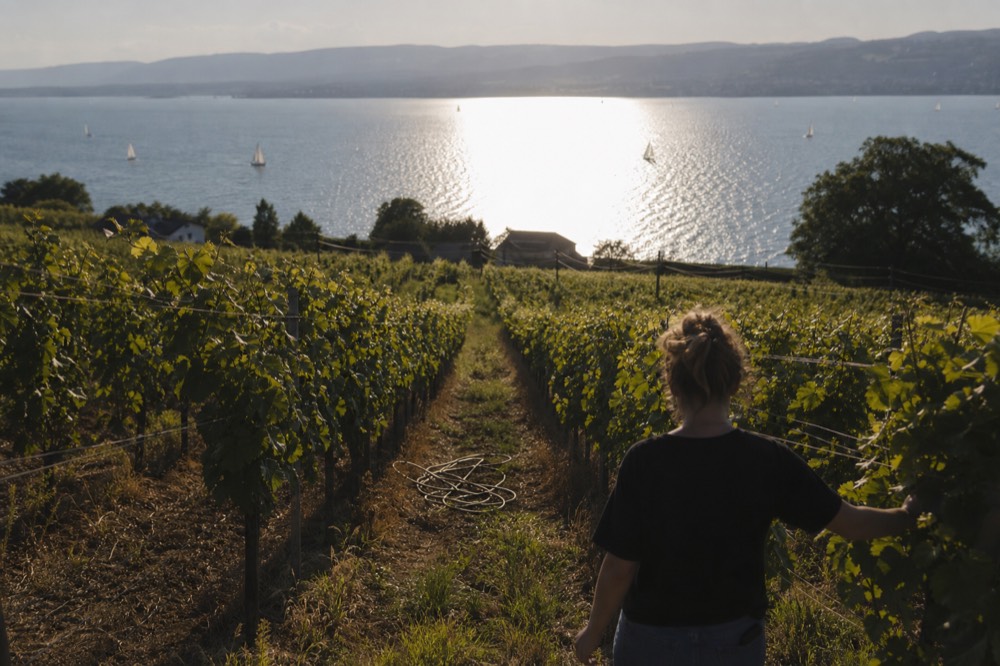
Bardolino DOC covers 16 communes on the hills east and south-east of Lake Garda, with a Classico core of six, and makes a lighter red, minimum 10.5% alcohol, from Corvina between 35% and 95% with Rondinella up to 40%, plus the pink Chiaretto from the same grapes. Bardolino town is 38 km and about 38 minutes from central Verona, with Lazise closer at 26 km and 30 minutes.
Bardolino is the lake wine. Where Amarone is concentrated and age-worthy, Bardolino is the light red people drink with lunch looking at the water, and Chiaretto is its pale pink stablemate. The zone's numbers are healthy: 2,400 hectares, of which about 1,000 grow Chiaretto fruit, and 21 million bottles in the 2025 vintage split almost evenly between the red and the rosé.
| Zone element | Rule or figure | Notes |
|---|---|---|
| Grape rule | Corvina 35-95%, Rondinella 5-40% | Corvinone may replace up to 20% of Corvina |
| Zone | 16 communes; Classico = Bardolino, Garda, Lazise, Affi, Costermano, Cavaion | Sub-zones Montebaldo, La Rocca, Sommacampagna |
| Alcohol minimums | Bardolino and Chiaretto 10.5%; Chiaretto Spumante 11.5%; Novello 11% | Novello bottled by 31 December |
| Distances from the centre | Bardolino 38 km / 38 min; Lazise 26 km / 30 min | Measured from Piazza Bra |
| Featured tours | Garda hills winery-direct tour; lake-departure Valpolicella lunch | One meets at the winery, one picks up at the lake |
The cheapest guided Lake Garda option is the winery-direct tour in the Garda hills above Bardolino: a vineyard walk, a cellar visit, four wines with cold cuts, cheeses and bruschetta, from around $52, meeting at the winery with no transport (checked September 2026). It pairs naturally with a morning by the lake and a regional train or ferry ride down. Full details are on the Garda hills wine tour page.
The second Bardolino-side option works in reverse, for people already staying at the lake. The shared half-day from Lake Garda picks up at Peschiera del Garda, Bardolino and other lake points and drives into Valpolicella for a cellar visit, red-wine tastings and an agriturismo lunch, from around $103 (checked September 2026). It is the only Valpolicella product that departs from the lake rather than Verona.
Where do Custoza and Lugana fit?
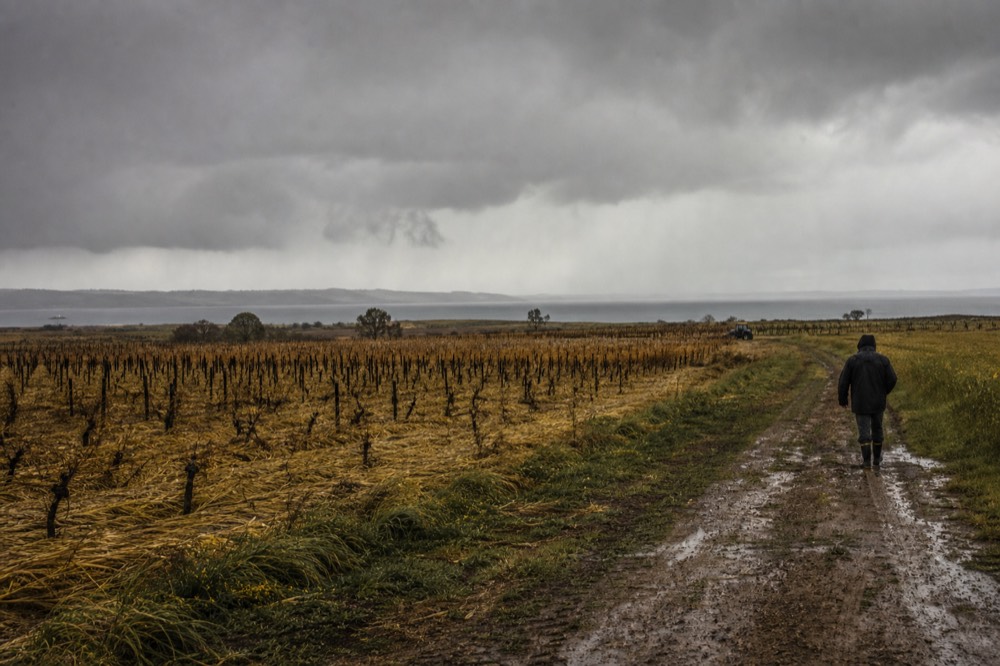
Custoza DOC and Lugana DOC are the two white zones on the Garda side: Custoza on the moraine hills west of Verona across about 1,400 hectares and nine communes, built from a blend of at least 70% Garganega, Trebbianello, Trebbiano and Bianca Fernanda; Lugana on the flat south shore where Turbiana must be at least 90%, split between the provinces of Brescia and Verona with Peschiera del Garda the only Verona-province commune.
These are the quiet workhorses. Custoza is the crisp, blend-based white poured all over the lake restaurants, and Lugana is the zone that has built a serious export reputation, over 60% of its production shipped to 65 countries, with an average shelf price around EUR 9.10 per bottle. The Lugana rules are published by the consorzio's disciplinare page.
| Zone element | Custoza DOC | Lugana DOC |
|---|---|---|
| Grape rule | Min 70% from three of Garganega, Trebbianello, Trebbiano, Bianca Fernanda, each max 45% | Turbiana min 90%, other non-aromatic whites max 10% |
| Zone | 9 communes, about 1,400 ha on the Garda moraine | Provinces of Brescia and Verona; Peschiera del Garda is the Verona commune |
| Types | Custoza, Superiore, Riserva, Spumante, Passito | Lugana, Superiore, Riserva, Vendemmia Tardiva, Spumante |
| Getting there | West of the city toward the lake moraine | About 13 min by regional train from Verona Porta Nuova to Peschiera del Garda |
| Featured tours | Reached on Garda-side itineraries | Sirmione castle cruise with tasting; lake-departure Valpolicella lunch |
Lugana is the easiest zone to taste incidentally. The historic boat cruise from Sirmione, run by Garda Tours, combines a lake tour with a wine tasting and snacks from around $116, departing Sirmione with a meeting point rather than hotel pickup and minimum numbers applying (checked September 2026). Book it for the scenery and the Lugana arrives on board.
How long does it take to reach each zone from Verona?
Driving from central Verona, the Valpolicella villages take 20 to 26 minutes, Soave about 28, Lazise 30 and Bardolino 38, all measured from Piazza Bra; Verona Porta Nuova station sits about 1.5 km from Piazza Bra, so add a few minutes if you start there. By train, Peschiera del Garda is about 13 minutes away on the regional line, and high-speed trains from Milan or Venice reach Verona in about 70 minutes.
These are free-flow estimates. Summer lake traffic adds real time on the Garda side, and the Verona historic centre is a camera-controlled limited-traffic zone with 11 gates, closed to unregistered visitor cars at all times. Hotel guests can enter after the hotel registers their plate, but holiday-let guests cannot, which is one more reason the pickup tours earn their keep.
| Destination | Distance from central Verona | Drive time | Practical note |
|---|---|---|---|
| Negrar | 14 km | 20 min | Northern gateway to Valpolicella Classico |
| San Pietro in Cariano | 15 km | 23 min | Cantina cluster, easy first stop |
| Marano di Valpolicella | 18 km | 25 min | Estate-villa cellar tours |
| Sant'Ambrogio di Valpolicella | 21 km | 25 min | Western Classico |
| Fumane | 23 km | 26 min | Mid-valley |
| Lazise | 26 km | 30 min | Lake Garda, Bardolino zone |
| Soave | 31 km | 28 min | Fast road east |
| Bardolino | 38 km | 38 min | Slower lake road in summer |
The pattern that jumps out of the table: the Valpolicella hills are genuinely close, close enough that a half-day tour with two winery visits is not a stretch, while the lake zones reward a full day or an overnight. Soave is the surprise, nearly as far as Bardolino by distance but faster to reach because the road east is direct.
What do tastings cost and how should you plan the days?
Winery-direct cellar tours with tasting usually run about EUR 25-80 per person in this region, typically EUR 40-60, with premium vertical and lunch formats at EUR 100-150, and reservation is the rule, with most estates open Monday to Saturday only (checked September 2026). Featured tours run from around $34 for a meet-at-winery tasting, with transport-included options from around $103, up to around $632 for a premium full day from Venice (checked September 2026).
The two price worlds sit side by side. Go winery-direct and you pay the estate's own fee and handle the journey; go with a small-group tour and the per-person price bundles transport, a guide's structure and usually food. Neither is a scam, they are different products, and the honest comparison is the cellar visit against the bottle you would otherwise buy.
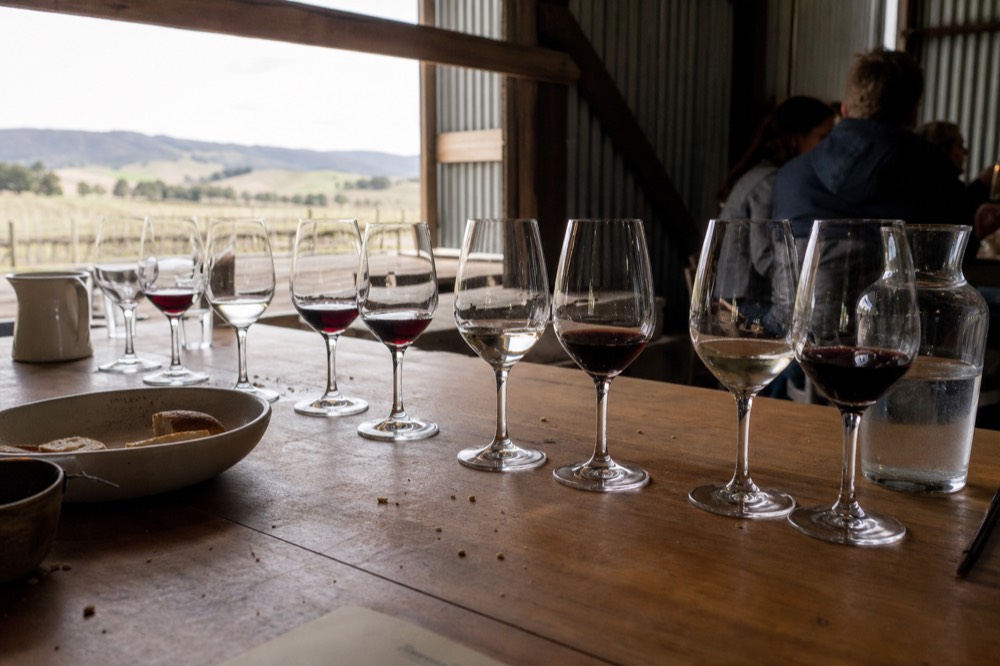
Planning rules of thumb: book any guided visit in advance, because walk-in tastings are rare in this region; keep Sundays for the city or a tour with transport, since most estates close; and if you are splitting a week, give Valpolicella a full half day at minimum, the Soave wine tour guide and the Lake Garda wine tour guide each deserve their own. For a single first day, the small-group format with pickup is the default recommendation, and Verona Wine Tours keeps the full roster sorted by zone and price so you can compare without opening a dozen tabs.
Every featured listing on this site offers free cancellation, so the cost of booking early is low. The trade you are really making when you pick a tour is not price against quality, it is how much of the logistics you want carried for you.
The six zones around Verona are Valpolicella with Valpantena, Soave, Bardolino, Custoza and Lugana, all within about 40 minutes of the centre, reachable without a car through pickup tours, winery-direct tastings and a 13-minute train to Peschiera del Garda, with tasting fees usually EUR 25-80 per person and reservation the rule.
Common questions about the Verona wine region
What wine zones make up the Verona wine region?
Six denominations surround the city: Valpolicella DOC with its Amarone and Recioto DOCG offshoots plus the Valpantena sub-zone, Soave DOC and Superiore DOCG, Bardolino DOC, and the white zones Custoza and Lugana. All sit within about 40 minutes of the centre.
Can you tour the Verona wine country without driving?
Yes. Small-group tours with hotel pickup cover Valpolicella and Soave, winery-direct tastings are reachable by train or taxi plus a short ride, and Peschiera del Garda, the gateway to the lake zones, is about 13 minutes from Verona Porta Nuova by regional train.
How long does it take to reach each zone from Verona?
From central Verona, the Valpolicella villages take 20 to 26 minutes by car, Soave about 28, Lazise 30 and Bardolino 38. Verona Porta Nuova station is about 1.5 km from Piazza Bra, so add a few minutes starting there.
What do tastings cost in the Verona wine region?
Winery-direct cellar tours with tasting usually run about EUR 25-80 per person, typically EUR 40-60, with premium and lunch formats at EUR 100-150 (checked September 2026). Featured tours start from around $34 winery-direct, with pickup options from around $103, up to around $246 for a full small-group day with lunch.
Which zone should a first-time visitor tour first?
Valpolicella. It is the closest, 14 km to Negrar, the most distinctive, and the best served by tours with hotel pickup, including the small-group Amarone tasting tour from around $145 and the grand tour with lunch from around $246 (checked September 2026).
Do you need to book wineries and tours in advance?
Yes. Reservation is the rule for guided winery visits in this region, most estates keep Monday to Saturday hours, and several featured tours often sell out. Every listing on this site offers free cancellation, so booking early costs little.