Lake Garda Wine Tour: Bardolino, Lugana and Custoza in One Day
Lake Garda is Italy's largest lake and one of its quietest wine regions: Bardolino red on the Veneto shore, Lugana white on the Lombardy shore, Custoza on the moraine hills behind them. Here is how to build a wine day around the lake, with or without a car.
Short answer
Yes: Lake Garda has three DOC wine zones on its shores, Bardolino (21 million bottles in 2025), Lugana (over 27.5 million) and Custoza. A guided winery tasting on the lake runs from $52, a boat cruise with tasting from $116, and a half-day into Valpolicella from the lake from $103. The regional train from Verona to Peschiera del Garda takes about 13 minutes.
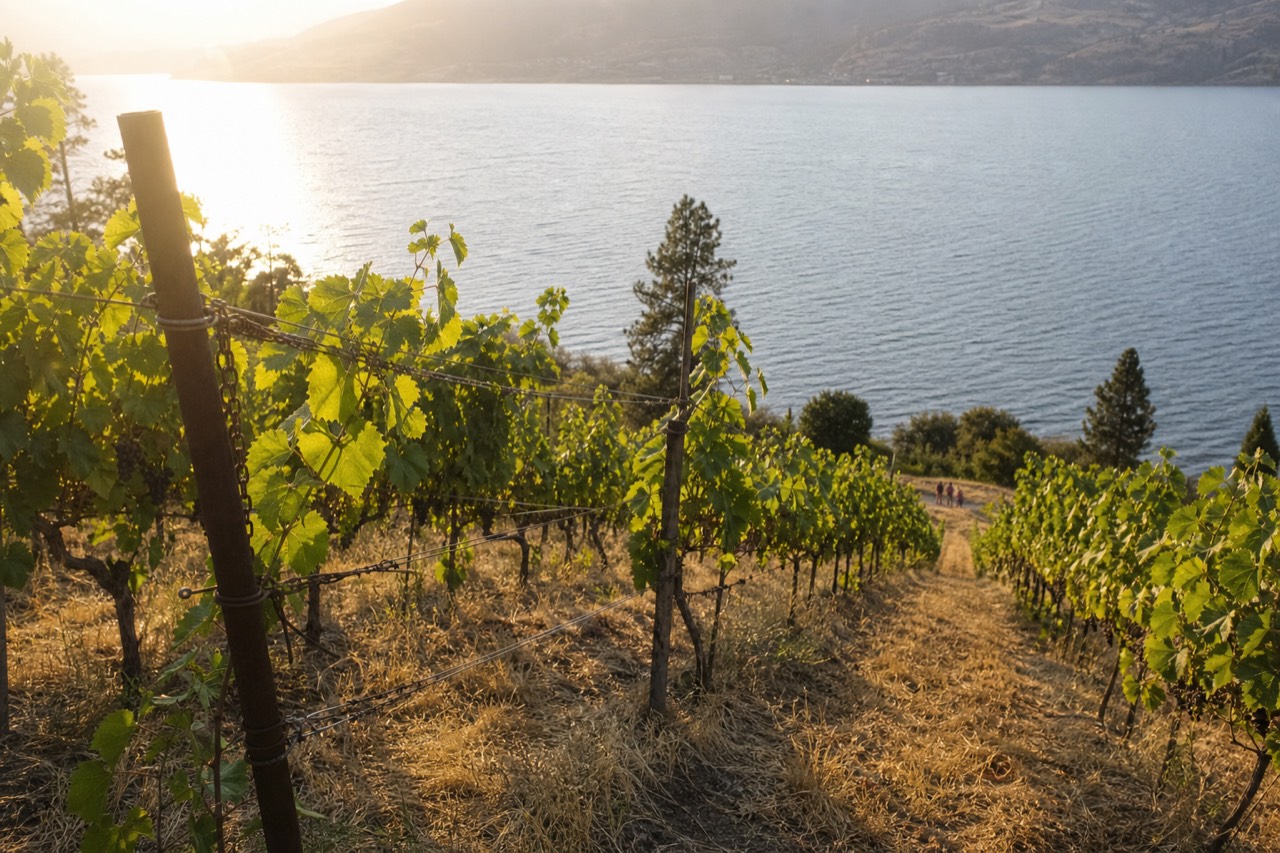
Lake Garda carries 2,400 hectares of Bardolino DOC vineyards on its south-eastern shore, 2,600 hectares of Lugana DOC on its southern shore, and about 1,400 hectares of Custoza DOC on the moraine hills just inland. That is more wine country than several Italian provinces manage, yet most visitors never leave the beach. This guide lays out the three denominations, the four practical ways to taste them, and the transport arithmetic for doing it from Verona or from a lake resort.
The lake works as a wine destination precisely because the zones stack so tightly. Bardolino town sits 38 km from Verona, Lazise 26 km, Peschiera del Garda is a 13-minute regional train from Verona Porta Nuova, and from Peschiera you can walk or pedal into both Lugana and Custoza territory. A single well-planned day can touch a red, a white and a rosé from three different DOCs without ever driving more than a few kilometres.
Is Lake Garda known for wine?
Yes: three DOC zones sit directly on or beside the lake, Bardolino with 21 million bottles in 2025, Lugana with over 27.5 million, and Custoza with 72,178 hectolitres bottled the same year, and the Bardolino consorzio alone counts 817 members. The lake is better known for beaches and olive groves, but the wine industry underneath it is large, export-driven and old. Bardolino has been a recognised denomination since 1968, and the Bardolino and Lugana consorzi each report export shares of 60 percent or more of production.
The reason the lake grows wine at all is microclimate. The water moderates winter cold and summer heat, and the moraine hills left by the glaciers give stony, mineral soils. On the Verona side that suits Corvina and Rondinella, the same grapes that make Valpolicella further east. On the Brescia side, the Turbiana grape, a local biotype of Trebbiano di Soave, makes Lugana, a white with enough body and structure to age. The Consorzio Tutela Lugana DOC reports an average shelf price of EUR 9.10 per bottle and exports to 65 countries.
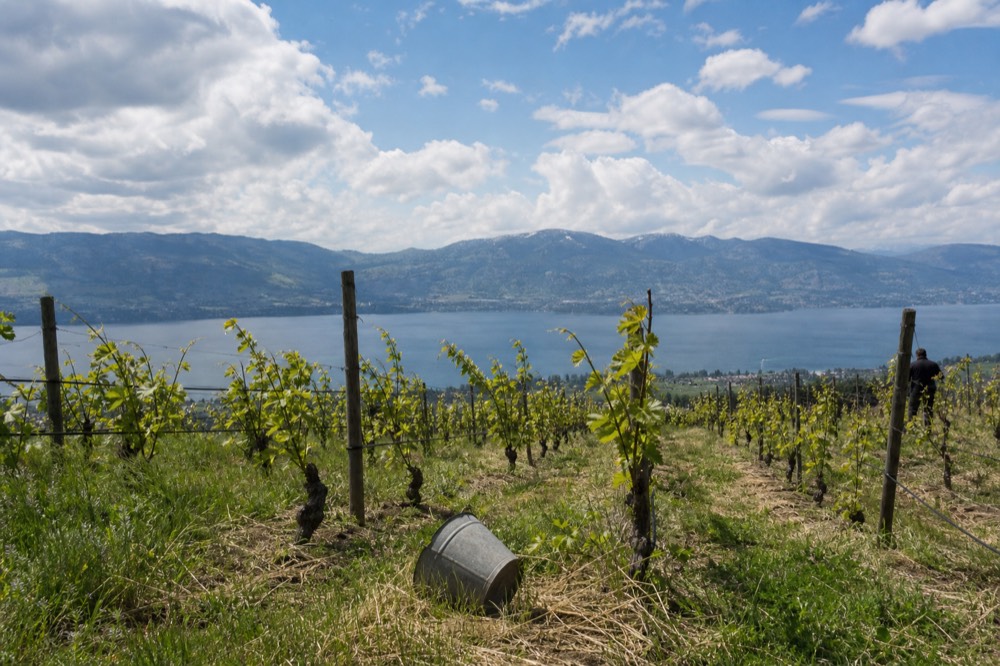
What surprises many first-time visitors is how close the tasting rooms are to the resort towns. Bardolino, Lazise and Peschiera all have working cantine within cycling distance, and the Bardolino wine museum, the Zeni Museo del Vino, is free for individual visitors, up to 10 people (checked September 2026). The 95th Festa dell'Uva e del Vino di Bardolino, one of Italy's oldest harvest festivals, runs 1 to 5 October 2026 on the lakefront (checked September 2026), which is the single best week of the year to taste the zone with the producers in town.
If you are planning the wider Verona wine picture, our Verona wine region overview sets out how Garda fits alongside Valpolicella and Soave.
What is the most famous red wine from Lake Garda?
Bardolino, a light, cherry-scented red made mainly from Corvina (35 to 95 percent of the blend) with Rondinella, produced across 16 communes east and south-east of the lake; its rosé stablemate Chiaretto is nearly as big, at 10 million of the zone's 21 million bottles in 2025. Bardolino is the name to know. It is a fresh, low-tannin red built for drinking young beside the lake, and its six-commune Classico core, Bardolino, Garda, Lazise, Affi, Costermano and Cavaion, holds the oldest vineyards.
The grape rule matters if you care about what is in the glass: Corvina veronese 35 to 95 percent, with Corvinone allowed to substitute up to 20 percent of it, Rondinella 5 to 40 percent, and other local reds capped at 20 percent. Bardolino must reach a minimum 10.5 percent alcohol, Chiaretto the same, and Chiaretto Spumante 11.5 percent. Since 2021 the zone also has three named sub-zones, Montebaldo, La Rocca and Sommacampagna, with lower yields and a minimum of one year's ageing.
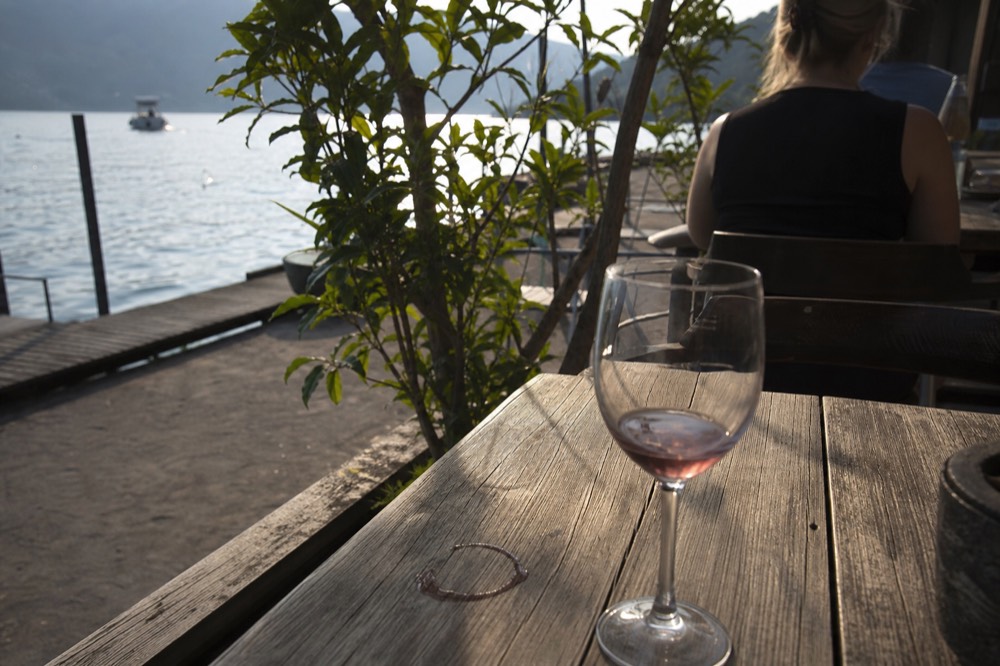
Bardolino is not trying to be Amarone, and that is the point. The zone sits at the cool, lake-moderated end of the Corvina spectrum, so the wines stay light. If you want the full deep-dive on the grape and the style, our Bardolino wine guide walks the denominations in detail.
For tasting Bardolino at source, the winery-direct option in the hills above Bardolino is the cheapest guided tasting on the Garda shore:
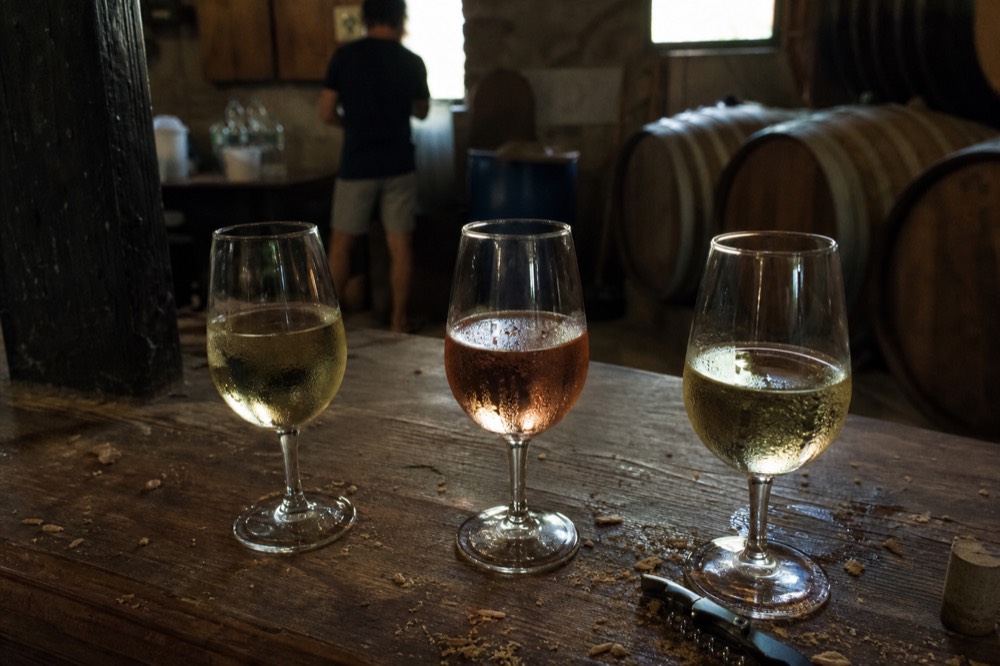
The Garda hills tasting runs from $52 per person (checked September 2026), covers a vineyard walk, a cellar visit and four wines with cold cuts, cheeses and bruschetta, and it holds a 4.8 rating across 155 reviews. You meet at the winery, so it pairs naturally with a morning in Bardolino town and the free wine museum. The duration is on the listing, so check it when you book.
Which wine tour format should you pick around Lake Garda?
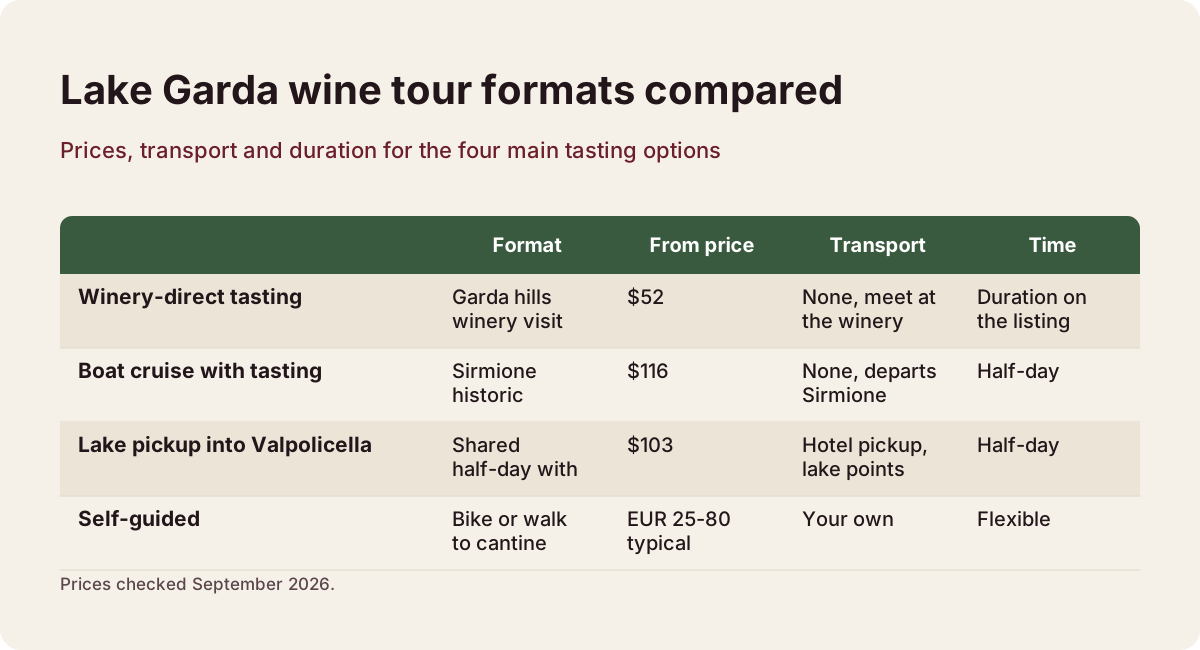
Winery-direct tastings start from $52 (checked September 2026) with no transport included, a historic boat cruise with tasting runs from $116 departing Sirmione, and a shared half-day from the lake into Valpolicella with lunch runs from $103 with hotel pickup at Peschiera and Bardolino, so the right format depends on whether you have a car, not on price alone. These are the three shapes a Garda wine day takes, plus the self-guided option of renting a bike or walking between cantine.
| Format | Product | From price | Transport | Time | Best for |
|---|---|---|---|---|---|
| Winery-direct tasting | Garda hills winery visit | $52 (checked September 2026) | None, meet at the winery | Duration on the listing | Independent travellers with a car or bike |
| Boat cruise with tasting | Sirmione historic cruise | $116 (checked September 2026) | None, departs Sirmione | Half-day | Visitors staying on the Sirmione peninsula |
| Lake pickup into Valpolicella | Shared half-day with lunch | $103 (checked September 2026) | Hotel pickup at Peschiera, Bardolino and other lake points | Half-day | Lake-based visitors who want Amarone country |
| Self-guided | Bike or walk between cantine | Bike rental varies, tasting fees EUR 25-80 typical | Your own | Flexible | Slow days and small budgets |
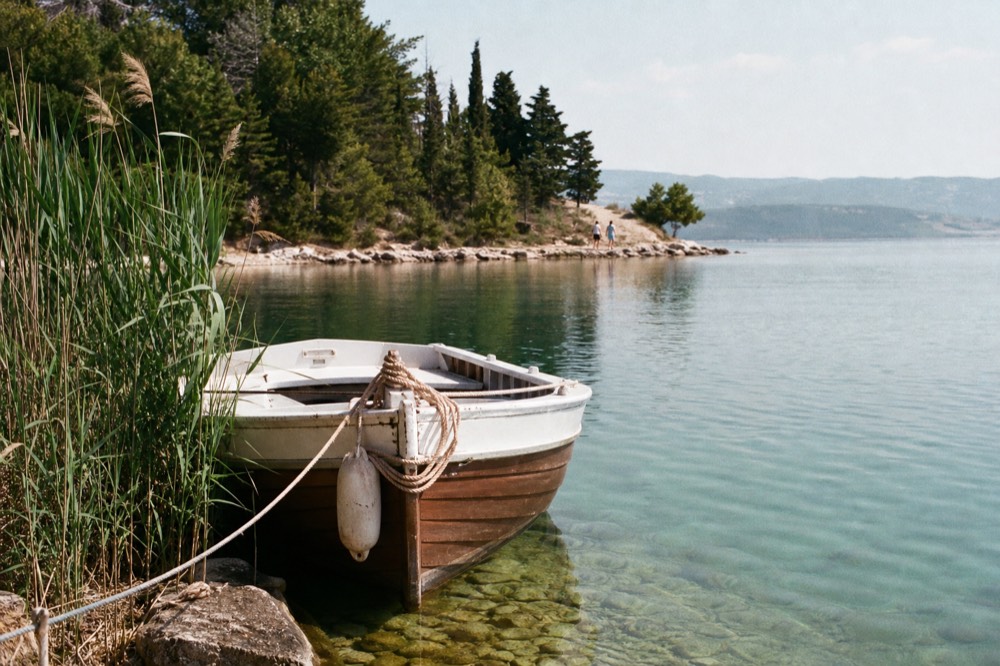
The winery-direct format is the cheapest per experience but shifts all the logistics to you. The boat cruise is the most atmospheric: it departs Sirmione, glides past the Grotte di Catullo and the Scaliger castle, and pours local wines with snacks on the water. It is run by Garda Tours, carries a 4.6 rating (checked September 2026) across 297 reviews, and minimum numbers apply, so it can be cancelled if bookings are thin. It often sells out in high summer, and the departure point is a meeting spot, not a hotel pickup.
The lake-pickup-into-Valpolicella product is the odd one out, and the only one of its kind: it is the sole Valpolicella tour that departs from Lake Garda rather than Verona. It collects you at Peschiera del Garda, Bardolino or other lake points, drives you into the Valpolicella hills for a cellar visit and red-wine tastings, then feeds you a local lunch in an agriturismo. At 4.6 across 50 reviews (checked September 2026) and from $103, it suits anyone based on the lake who does not want to give up the Amarone side of the region.
Here is how the three guided formats line up side by side:
All three offer free cancellation, so the honest planning advice is to book the one that matches your transport situation and adjust later if the weather turns. If you are staying in Bardolino or Lazise, the winery-direct tasting and the Valpolicella pickup both work without a car. If you are on the Sirmione peninsula, the boat cruise is the natural fit.
How do you get from Verona to the Lake Garda wine villages?
The regional train from Verona Porta Nuova to Peschiera del Garda takes about 13 minutes, roughly every 30 minutes, and by car Bardolino is 38 km / about 38 minutes, Lazise 26 km / 30 minutes and Peschiera about 25 km from central Verona. This is where the lake wins over almost every other Italian wine region: the train station drops you inside Lugana and Custoza territory, and the Bardolino zone starts a short bus or boat ride north.
Peschiera is the hinge. Step out of the station and Lugana's vineyards begin just west of the town, on both sides of the regional border, since the DOC spans the provinces of Brescia and Verona. Custoza's nine communes lie immediately south and east. From Peschiera's harbour, the lake ferries run north along the shore: from 1 April 2026 a whole-lake day ticket costs EUR 39.50 and a one-zone day ticket EUR 23.50 (checked September 2026), which turns the ride to Bardolino or Sirmione into part of the day rather than dead travel time.
For the boat cruise out of Sirmione, factor in the castle stop: the Castello Scaligero charges EUR 10 full price and opens Tue-Sun 08:30-19:15, closed Monday (checked September 2026). Sirmione's 2026 tourist tax runs at EUR 2.80 per person per night for 4-star hotels and holiday homes alike, capped at 7 nights (checked September 2026), so budget it into a lakeside stay. If you are weighing the two resort towns against each other, our Garda versus Bardolino comparison breaks down the trade-offs.
One warning if you are driving: Italy's drink-driving limit is 0.5 g/l, and zero for drivers under 21 or in their first three years of a B licence. The fines run from EUR 543 to 2,170 in the lower band and become criminal above 0.8 g/l. A wine day around Garda is a day for trains, boats, bikes or a booked minibus, not for a hire car you intend to drive home.
Can you taste Lugana and Custoza on the same day?
Yes: Lugana and Custoza share the south shore around Peschiera, Lugana's 2,600 hectares run west of the town and Custoza's about 1,400 hectares run south and east, so a single loop by bike or car can visit a cellar in each before lunch. These are the two white denominations, and they are frequently confused because both lean on Garganega-family grapes and both sit on glacial moraine.
Lugana is the bigger name. It must be at least 90 percent Turbiana, the local Trebbiano di Soave biotype, and the consorzio reports 214 growers, over 60 percent exported to 65 countries, and 206,336 hectolitres, over 27.5 million bottles, from the prior vintage. It is a white with real weight: the Superiore type ages a minimum 12 months and the Riserva 24, and the best bottles hold their structure for years.
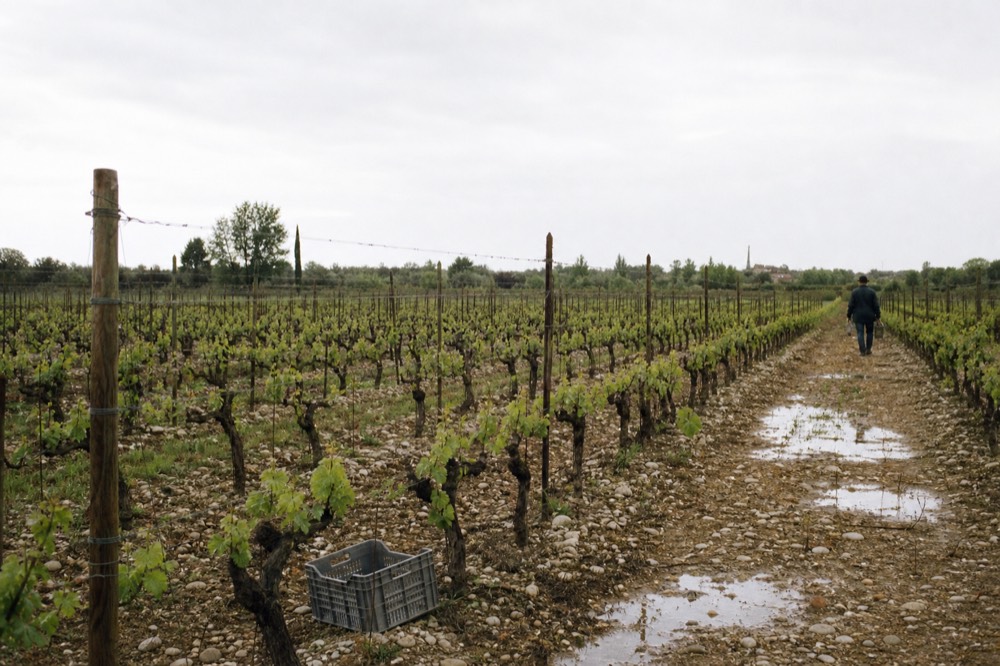
Custoza is the quieter, more curious zone: a blend requiring a minimum 70 percent from three of Garganega, Trebbianello, Trebbiano and Bianca Fernanda, each capped at 45 percent, with a flexible tail of Malvasia, Riesling, Pinot bianco, Chardonnay and Manzoni 6.0.13. The result is a fragrant, easy white that the locals drink by the carafe. Custoza bottled 72,178 hectolitres in 2025, with prior-vintage stocks at a historic low of 13,700 hectolitres, which tells you demand has finally caught up with supply.
| Zone | Main grape(s) | Hectares | Signature style | 2025 volume | Don't miss |
|---|---|---|---|---|---|
| Bardolino DOC | Corvina 35-95%, Rondinella 5-40% | 2,400 (1,000 Chiaretto) | Light cherry red, and the Chiaretto rosé | 21 million bottles (11m Bardolino, 10m Chiaretto) | Festa dell'Uva, 1-5 October 2026 (checked September 2026) |
| Lugana DOC | Turbiana min 90% | 2,600 | Structured white, Superiore ages 12 months | 206,336 hl, over 27.5 million bottles | A Riserva beside the lake fish |
| Custoza DOC | Min 70% from Garganega, Trebbianello, Trebbiano, Bianca Fernanda | About 1,400 | Fragrant blended white | 72,178 hl bottled | The young basic wine, drunk cold |
For a structured day: take the morning train to Peschiera, book a Lugana cellar tasting mid-morning, lunch on the fish of the lake with a Custoza, then take the ferry up to Bardolino for a winery-direct afternoon tasting. Estate tasting fees in the region usually run about EUR 25-80 per person for a standard cellar tour with tasting, typically EUR 40-60, so budget two visits a day comfortably.
What does a Lake Garda wine tour cost?
Guided options run from $52 (checked September 2026) for the Garda hills winery-direct tasting to $116 for the Sirmione boat cruise with tasting, with the lake-to-Valpolicella half-day at $103 including lunch, while independent cellar visits cost about EUR 25-80 per person in tasting fees, typically EUR 40-60. The floor is low because the winery-direct format strips out transport; the ceiling for a full guided day with lunch stays under $120 per person (checked September 2026).
| Cost item | Typical range | Notes |
|---|---|---|
| Winery tasting fee, self-booked | EUR 25-80 per person, typical EUR 40-60 | Reservation required at most estates, many closed Sunday |
| Premium or vertical formats | EUR 100-150 | Long visits, older vintages, lunch pairings |
| Regional train Verona to Peschiera | From about EUR 10 advance | About 13 minutes, roughly every 30 minutes |
| Lake ferry day ticket | EUR 23.50 one zone, EUR 39.50 whole lake (checked September 2026) | In force from 1 April 2026 |
| Guided winery-direct tasting | From $52 (checked September 2026) | Garda hills product, 4.8 across 155 reviews |
| Boat cruise with tasting | From $116 (checked September 2026) | Sirmione departure, minimum numbers apply |
| Lake pickup into Valpolicella with lunch | From $103 (checked September 2026) | 4.6 across 50 reviews |
The cheapest product in the wider Verona set is actually the Soave winery-direct tasting at $34, but that is a different valley, 31 km east of Verona rather than on the lake. Within Garda itself the $52 (checked September 2026) hills tasting is the floor, and it is a genuine one: four wines, a vineyard walk and a cellar, not a bar pour.
Every tour listed in this guide includes free cancellation, which matters around the lake because summer weather and ferry schedules can reshuffle a day. Book the fixed departures early, especially the Sirmione cruise, which often sells out, and leave the winery-direct visits flexible.
When is the best time of year for a Lake Garda wine day?
The Festa dell'Uva e del Vino di Bardolino runs 1 to 5 October 2026 and the Palio del Chiaretto ran 5 to 7 June 2026, so late September into early October is the harvest-season window and early June the rosé season, while July and August bring heat, crowds and the fullest ferry timetable. Each stretch of the year changes what a wine day looks like.
Spring and early summer belong to Chiaretto. The Palio del Chiaretto, the zone's rosé festival, spread across the Bardolino and Lazise lakefronts in early June 2026 with tastings, concerts and a wine competition drawing 29 producers and 44 samples. The lake is warm enough for a swim after a tasting, and the vines are in full leaf.
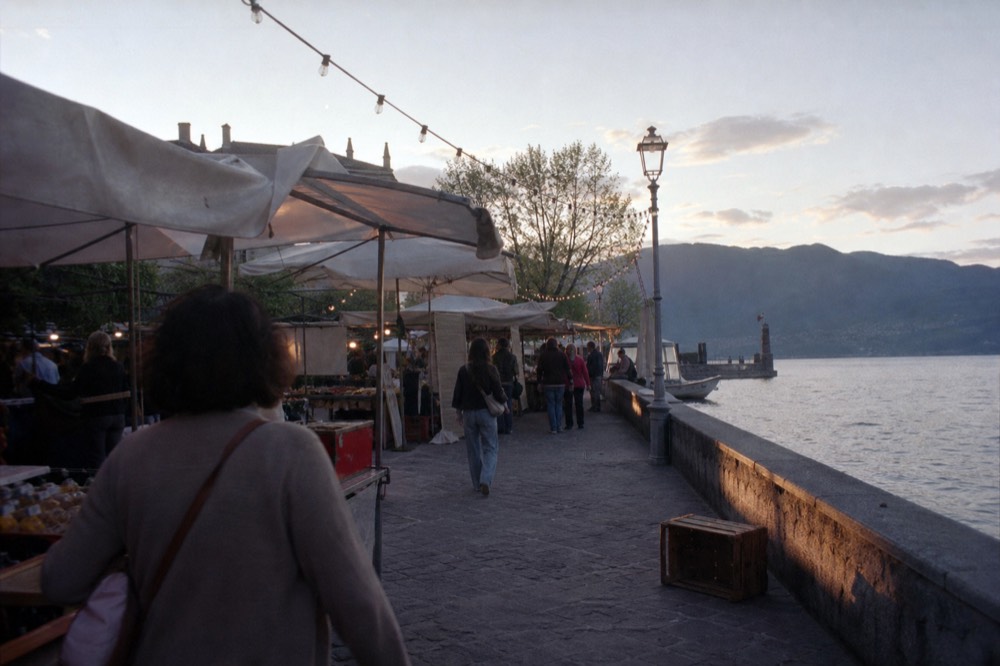
Autumn is the serious wine season. The Bardolino grape festival, now in its 95th year, fills the lakefront between Punta Mirabello and Punta Cornicello with stands, tastings and music across the first five days of October (checked September 2026). The 2026 harvest itself started early across the Veneto, roughly two weeks ahead of the historical average, after a hot, dry summer, so the first weeks of October combine vendemmia energy with the last of the swimming weather. November is the wettest month on the Verona coast at 85 mm, and many estates run reduced hours outside the April-to-October core season, so check opening days before committing (see What is the best month to visit Verona?).
Should you combine Lake Garda with Valpolicella in one trip?
Yes, and the lake-to-Valpolicella half-day exists precisely for that: it collects you at Peschiera, Bardolino or other lake points and returns you after a cellar visit, tastings and an agriturismo lunch, from $103, which is the only product that bridges the two zones without a base in Verona. (checked September 2026) If you are staying on the lake for a week, it is the simplest way to see where Amarone comes from without moving hotels or hiring a car.
The two regions are closer than most visitors expect: the Valpolicella Classico communes begin about 25 minutes' drive inland from Lazise, and the Valpantena sub-zone is on the way. A two-centre plan works well, three or four nights on the lake with a Bardolino and Lugana day, then two nights in Verona with a Valpolicella day, connected by the 13-minute train or a 30-minute drive. Our day trips from Verona guide maps the full circuit.
For lake-based travellers who want the Valpolicella experience with lunch included, the shared half-day is the one to shortlist:
It runs from $103 per person (checked September 2026), holds a 4.6 rating across 50 reviews, and the pickup list covers Peschiera del Garda, Bardolino and other lake points, which removes the only real obstacle to combining the regions. Book the lunch day for the middle of your lake week, and keep a ferry-and-tasting day on either side.
Which Lake Garda wine tour should you actually book?
Book the Garda hills winery tasting from $52 (checked September 2026) if you have your own transport, the Sirmione boat cruise from $116 if you are on the peninsula, and the lake-to-Valpolicella half-day from $103 if you want the Amarone hills with lunch; all three offer free cancellation. The choice is really about where you sleep, not about quality, since all three carry ratings between 4.6 and 4.8.
If you are staying in Verona rather than on the lake, the calculus changes: the 13-minute train makes Peschiera reachable for a self-guided Lugana and Custoza day, but for a guided Bardolino tasting you will want the winery-direct product with your own wheels, or a lake-resort base. The Sirmione cruise deserves its slot regardless, because the tasting is secondary to the sail past the peninsula's cliffs and villas, something no cellar can replicate.
The cruise runs from $116 per person (checked September 2026), carries a 4.6 rating across 297 reviews, and often sells out, so it is the one fixed departure worth booking well ahead. Minimum numbers apply, and it departs from a meeting point in Sirmione rather than offering hotel pickup, so plan the journey to the peninsula into your morning.
One last planning note from the Verona Wine Tours perspective: the lake's wine zones are compact enough that one well-chosen guided product plus one self-guided cellar visit makes a fuller wine day than two rushed tours. Pick your format by transport, book the fixed-departure one first, and let the ferry timetable set the rhythm of the rest.
A Lake Garda wine day costs from $52 guided, runs on a 13-minute train from Verona, and can cover Bardolino, Lugana and Custoza in a single loop. (checked September 2026) The questions below cover the specifics.
Common questions about Lake Garda wine tours
Is Lake Garda known for wine?
Yes. Three DOC zones sit on or beside the lake: Bardolino with 21 million bottles in 2025, Lugana with over 27.5 million, and Custoza with 72,178 hectolitres bottled the same year. The Bardolino consorzio alone counts 817 members.
What is the most famous red wine from Lake Garda?
Bardolino, a light, cherry-scented red made mainly from Corvina with Rondinella across 16 communes east and south-east of the lake. Its rosé stablemate, Chiaretto, accounts for 10 million of the zone's 21 million bottles.
How much does a Lake Garda wine tour cost?
Guided options run from $52 (checked September 2026) for a winery-direct tasting in the Garda hills to $116 for the Sirmione boat cruise with tasting, with the lake-to-Valpolicella half-day at $103 including lunch. Independent cellar visits typically cost EUR 40-60 per person in tasting fees.
How do you get from Verona to Lake Garda wine country without a car?
The regional train from Verona Porta Nuova to Peschiera del Garda takes about 13 minutes, roughly every 30 minutes, and drops you inside Lugana and Custoza territory. Lake ferries connect Peschiera with Bardolino and Sirmione, with a one-zone day ticket at EUR 23.50.
Can you visit Bardolino and Lugana wineries on the same day?
Yes. The zones share the south shore around Peschiera: Lugana's vineyards run west of the town and Bardolino's zone starts a short ferry or bus ride north. A bike loop from Peschiera can reach cellars in both, though most estates require a reservation and many close on Sunday.
When is the best month for a Lake Garda wine tour?
Early October: the Bardolino grape festival runs 1 to 5 October 2026, the harvest is in full swing, and the lake is still warm. Early June is the rosé season around the Palio del Chiaretto, while July and August bring the biggest crowds.