Wine Tasting in Verona: City-Centre Enoteche, Costs and the Shortest Cellar Visit
Verona is one of the few Italian cities where you can taste Amarone, Soave, Bardolino and Lugana in an evening without starting a car. This guide covers the enoteche around Piazza delle Erbe and Veronetta, what a tasting should cost, why the ZTL makes walking home the smart plan, and the shortest real cellar visit above the city.
Short answer
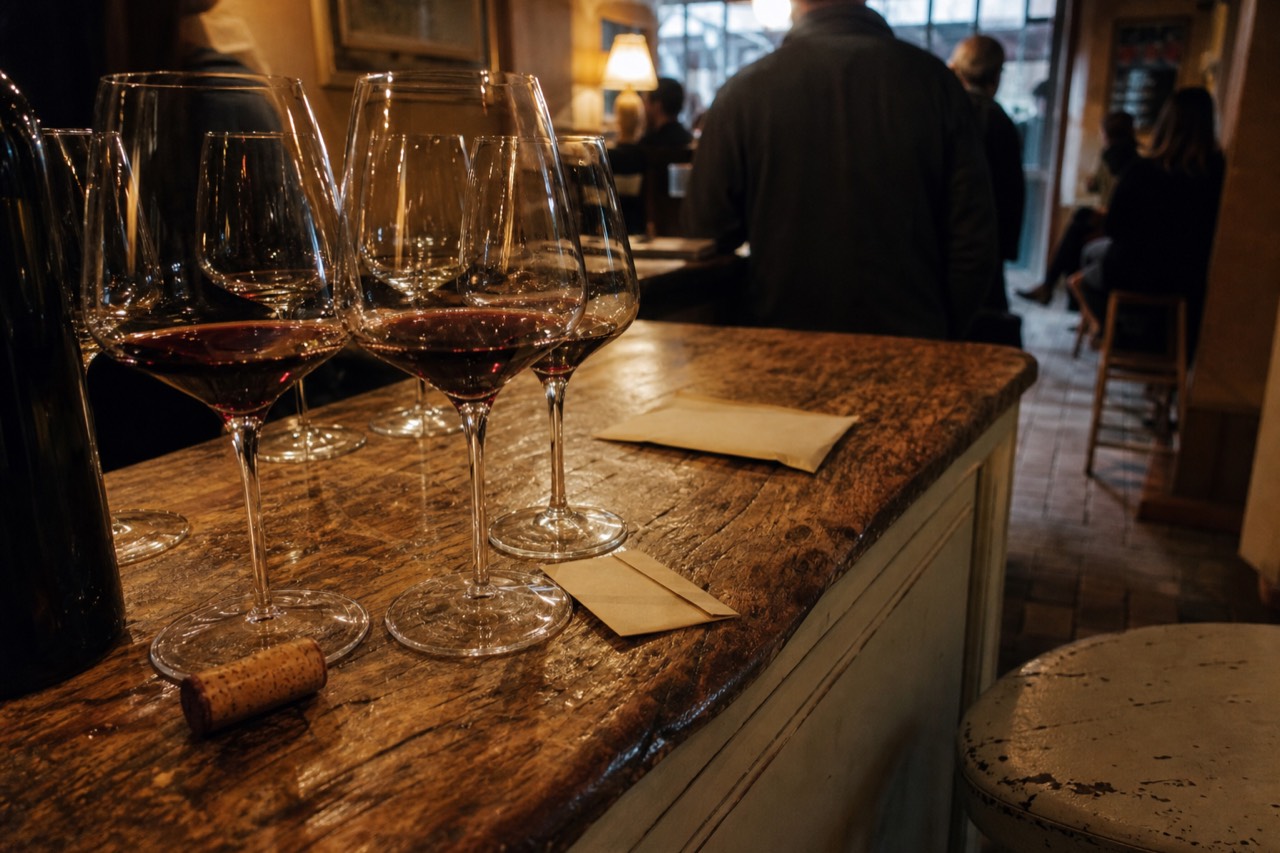
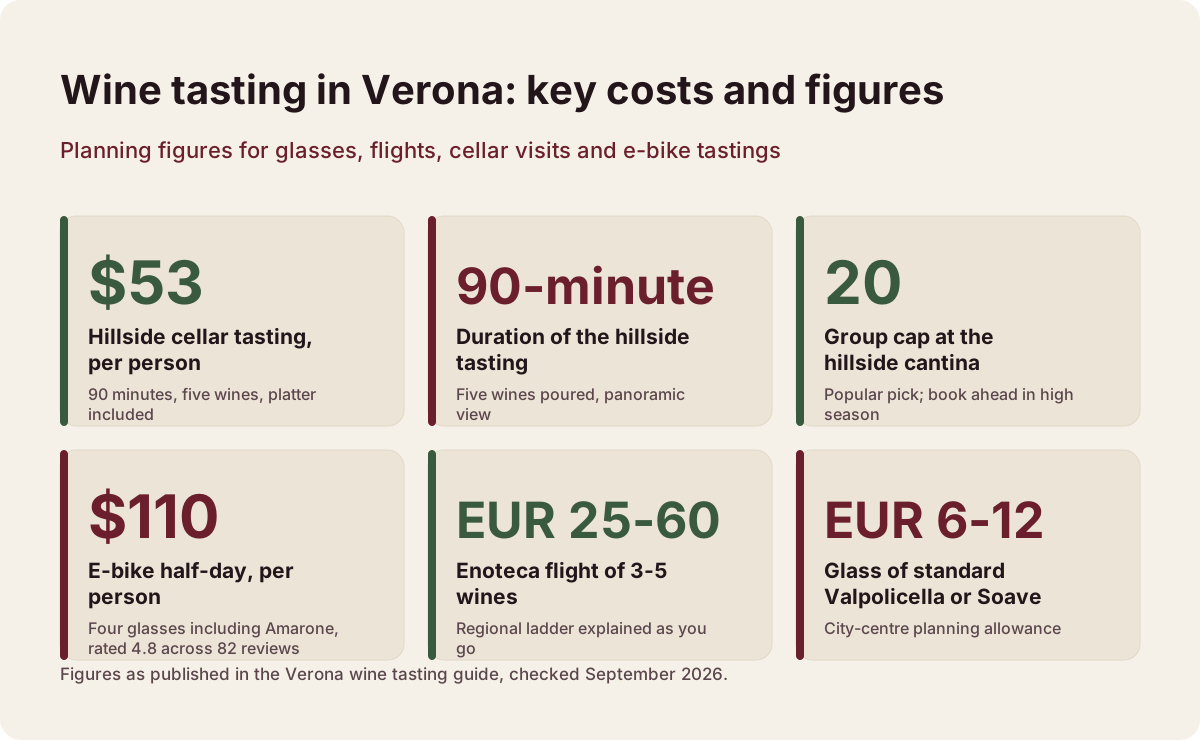
You can taste the whole Verona region inside the city: enoteche around Piazza delle Erbe and Veronetta pour by the glass or in flights, a standard cellar tour and tasting runs about EUR 25-80 (checked September 2026), and a quick option is a 90-minute tasting at a family cantina in the hills above Verona, from $53 per person (checked September 2026).
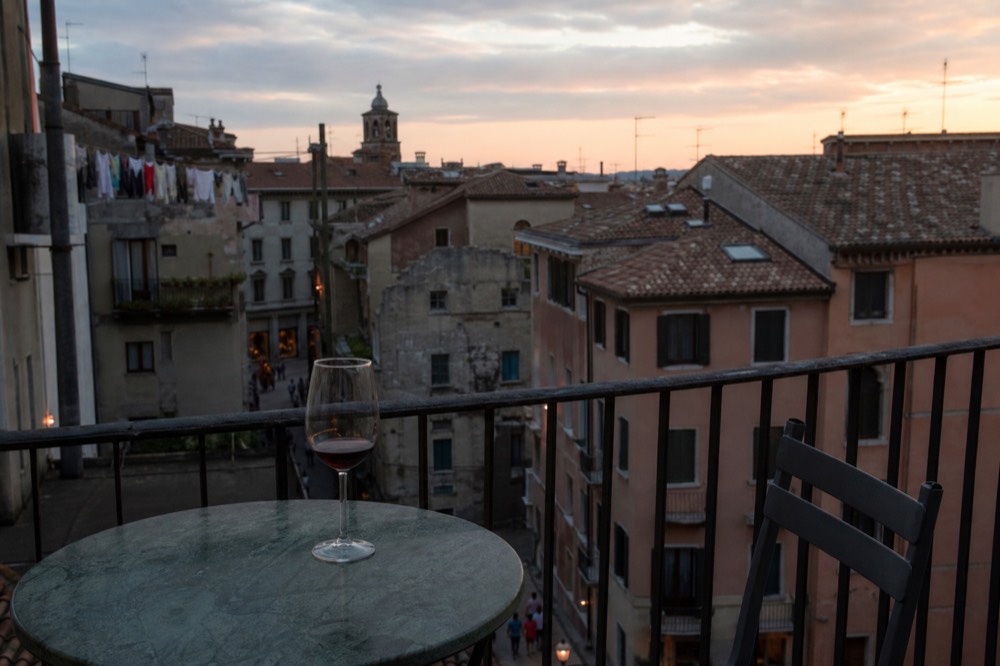
Verona sits inside a ring of wine country that most cities would envy: Valpolicella's hills begin about 15 km from Piazza Bra, Soave is 31 km east, and the Bardolino and Lugana zones flank Lake Garda 26 to 38 km west. That geography has a consequence visitors often miss. The city's bars and enoteche stock the entire region, so a serious tasting evening in the centre can cover more denominations in three hours than a single winery visit in any one valley.
This guide sticks to the city itself. It covers where to taste around Piazza delle Erbe and Veronetta, what a glass or a flight should cost as a planning allowance, how the limited-traffic zone quietly decides your transport plan, and the one winery-direct tasting close enough to town that you can be back at your hotel for dinner. When a valley trip is worth it instead, we say so plainly.
Where can you taste wine in Verona city centre?
The two natural tasting quarters are the Piazza delle Erbe and Piazza Bra area in the historic centre, and the Veronetta quarter across the Adige, and both are walkable from anywhere inside the old town in under 20 minutes. The centre leans historic and tourist-facing, with enoteche and wine bars pouring the full regional ladder from Valpolicella to Amarone; Veronetta is where students and locals drink, so prices run lower and the lists lean less obvious.
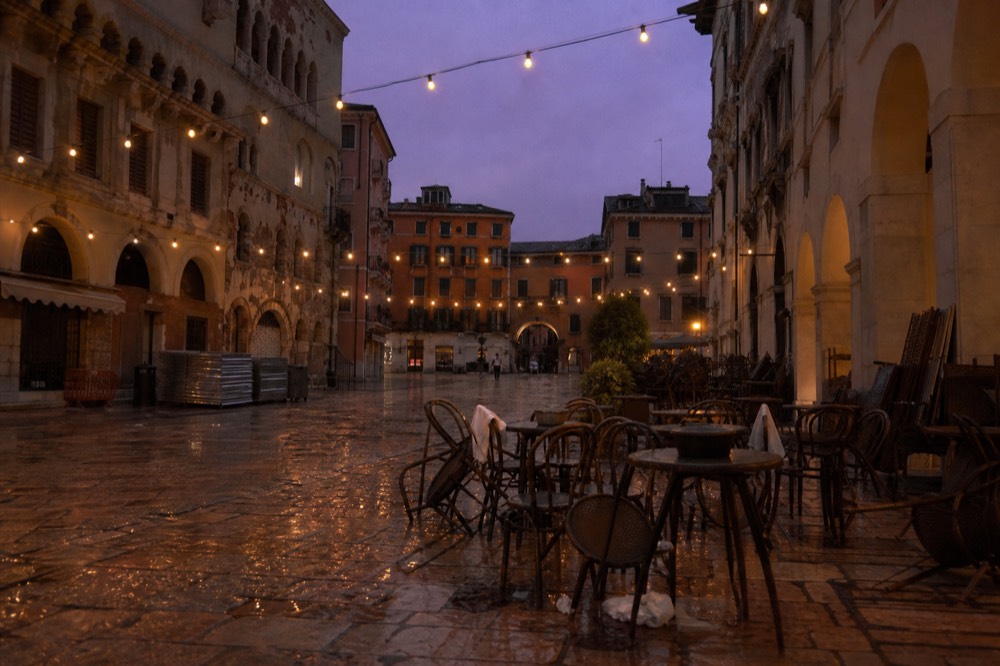
Piazza delle Erbe, the old Roman forum, is the classic starting point. The wine bars around the square and the lanes running off it, via Mazzini and the streets towards Piazza dei Signori, carry the big regional names: Amarone by the glass, Ripasso, Soave Classico, Lugana, Bardolino and its pink sibling Chiaretto. Prices here are the highest in the city, because you are partly paying for the view. A glass of Valpolicella that costs a few euro two streets away carries a terrace premium on the square itself.
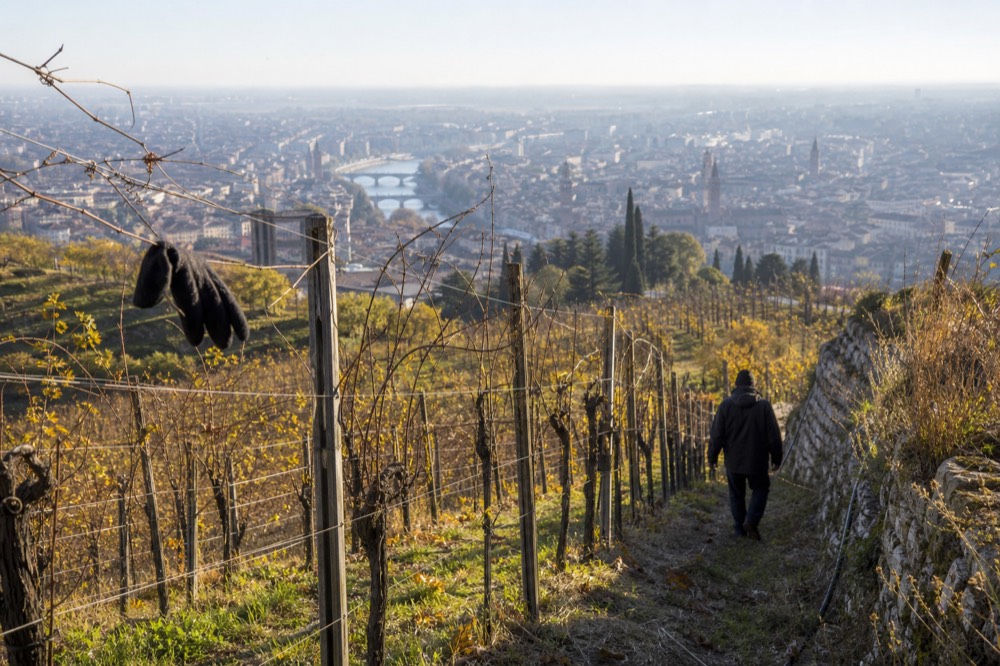
Cross Ponte Pietra or one of the other Adige bridges and you are in Veronetta, the quarter on the left bank that wraps around Castel San Pietro and the Roman Theatre. This is the city's student and resident district, and its wine bars pour well at gentler prices. It is also the quieter place for a long evening: fewer tour groups, more locals, and a short funicular-or-stairs climb to the San Pietro viewpoint afterwards if you want the city laid out below you with a glass already in hand.
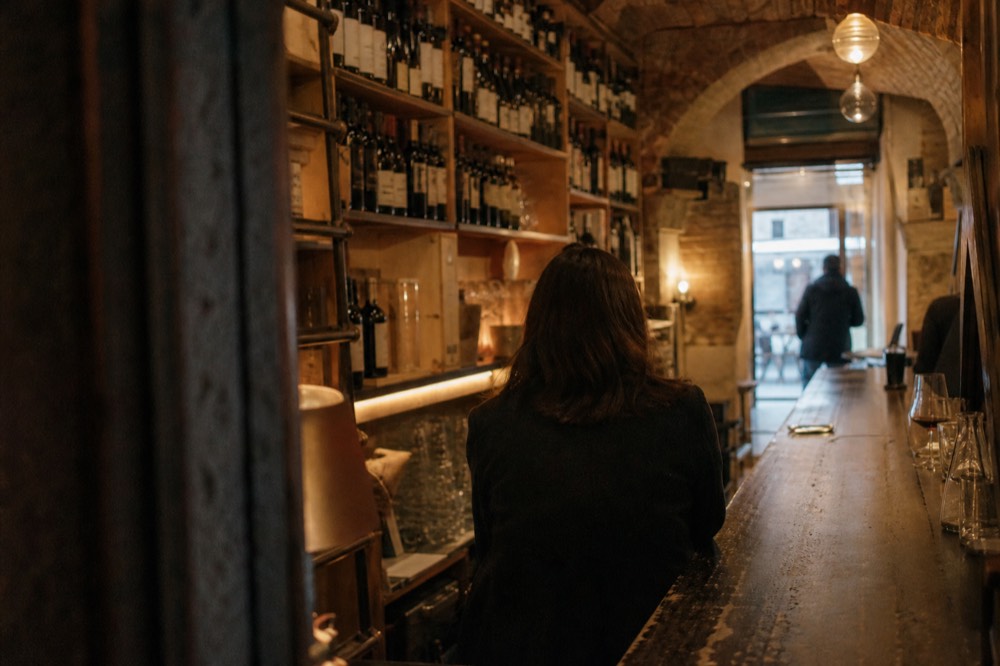
A simple way to split an evening: start with an aperitivo glass in the centre, then walk east for the serious part. The whole old town is compact, roughly a 20-minute walk corner to corner, so no tasting route needs transport at all. For a deeper map of what is in those glasses, our guide to the Valpolicella wine tour region explains the four red styles side by side, and the wines Verona is famous for covers the full regional list.
| Quarter | Character | Typical pour | Best for |
|---|---|---|---|
| Piazza delle Erbe and centre | Historic, tourist-facing, terrace seating | Full regional list, Amarone by the glass | A first evening, one showpiece glass |
| Piazza Bra and via Roma | Elegant, pre- and post-Arena crowds | Valpolicella, Lugana, sparkling | Aperitivo before dinner or opera |
| Veronetta | Local, student-priced, quieter | Regional wines at lower markups | A long second evening, value drinking |
| Veronetta hillsides | Views, walks, funicular access | Smaller estate lists | Sunset glass with the panorama |
How much does a wine tasting in Verona cost?
As a planning allowance, expect EUR 6-12 for a glass of standard Valpolicella or Soave in the centre, EUR 10-20 for Ripasso or a premium Lugana, and EUR 12-25 for Amarone by the glass; a structured flight of three to five wines at an enoteca usually runs EUR 25-60, while a full guided cellar tour with tasting at a winery runs about EUR 25-80 (checked September 2026).
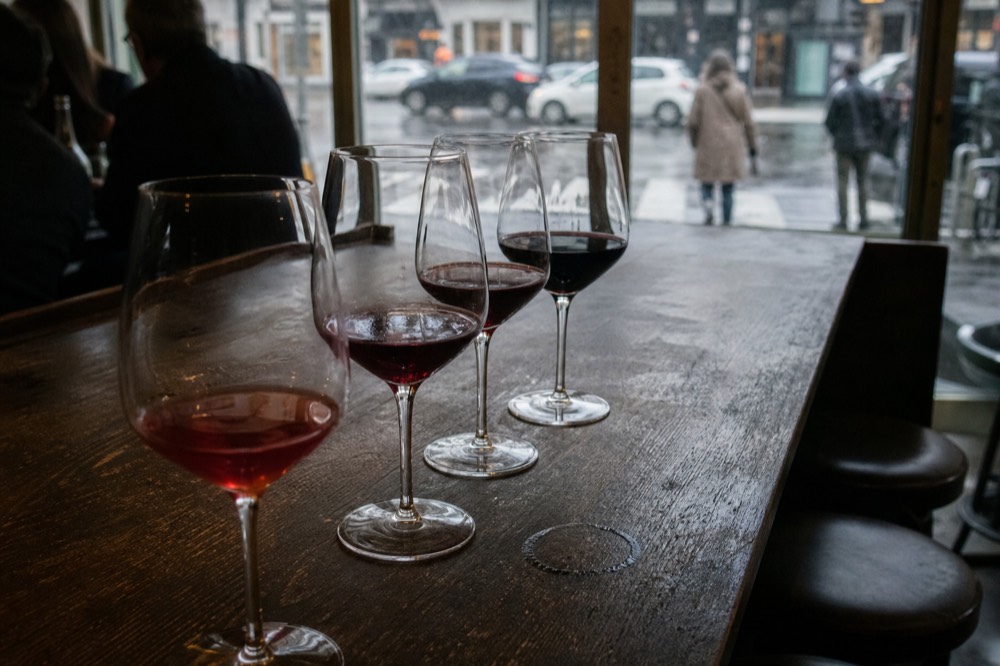
Glass prices are the flexible part. The same Amarone can differ by several euro between a backstreet enoteca and a terrace on Piazza delle Erbe, so treat the ranges above as planning allowances, not promises: check the list when you sit down. Flights are better value when you want to learn something. A good enoteca flight walks you up the Valpolicella ladder, Valpolicella, Ripasso, Amarone, sometimes Recioto to finish sweet, and the person pouring will explain each step. That ladder is exactly what makes the region unusual: four legally distinct wines from essentially the same grapes, differing only in method.
| Format | Planning range | What you get |
|---|---|---|
| Glass, standard Valpolicella or Soave | EUR 6-12 | One wine, standing or seated |
| Glass, Ripasso or premium Lugana | EUR 10-20 | One wine, more structure |
| Glass, Amarone | EUR 12-25 | One wine, often the vintage worth asking about |
| Enoteca flight, 3-5 wines | EUR 25-60 | The regional ladder explained as you go |
| Winery cellar tour + tasting | EUR 25-80, typical 40-60 | The cellar, the story, the estate's own pours |
For comparison, the winery-direct ladder in the surrounding valleys is published by the estates themselves: Tommasi in Pedemonte runs a EUR 25 basic tasting up to a EUR 120 Amarone vertical with chocolate, Tedeschi charges EUR 28 for a one-hour visit and EUR 100 for its three-hour Fabriseria tour, Bertani's Classico experience is EUR 70, and Zenato at Peschiera charges EUR 40 for its classic tour (checked September 2026). Those figures are the honest benchmark for what a real cellar visit costs, and they are why the city's enoteca flights at EUR 25-60 are not a rip-off: you are trading the cellar for the convenience.
If your goal is simply to drink well rather than study, the aperitivo habit is your friend. Many bars pour a generous standing glass with a small food plate in the early evening, and Veronetta does it cheapest. Book nothing for that; just walk.
Can you visit a real winery without leaving Verona?
Yes, and it is the shortest cellar visit in the whole regional set: a 90-minute tasting at a family cantina in the hills above Verona pours five wines, a white IGT, Valpolicella, Valpolicella Superiore, Ripasso and Amarone, with a cold-cuts and cheese platter and a panoramic view, from $53 per person with a 4.9 rating across 279 reviews (checked September 2026).
You meet at the winery, there is no transport included, and the group is capped at 20.
That tasting matters for this guide because it solves the "one real cellar, no car, no full afternoon" problem. The cantina sits in the hills directly above the city, the same hillsides you see from Castel San Pietro, so the trip is a short taxi or a stiff uphill ride from the centre rather than a half-day commitment. The five-wine ladder is the full Valpolicella story in one sitting, which is why we rate it the best single visit for a traveller basing themselves in town.
It is a popular pick on its listing, so book ahead rather than turning up on spec. The listing shows a popular-pick label rather than a verified sell-out badge, but a 20-person cap on a panoramic terrace fills in high season. Check availability on the live listing for your dates, and see our panoramic hills tasting profile for how it fits the wider winery map.
One booking note before you commit: the format is a fixed start time, not an open-ended sitting, so plan the taxi or the climb for a precise arrival rather than a vague one. Free cancellation applies, so an early booking carries little risk.
The one honest caveat: this is a tasting at the winery, not a tour of it. You get the cellar's wines, the platter and the view, in an hour and a half. If you want to walk vineyards and see barrel rooms, the valley products do that better, and the next two sections cover when that trade is worth making.
Does the ZTL mean you should plan tastings on foot?
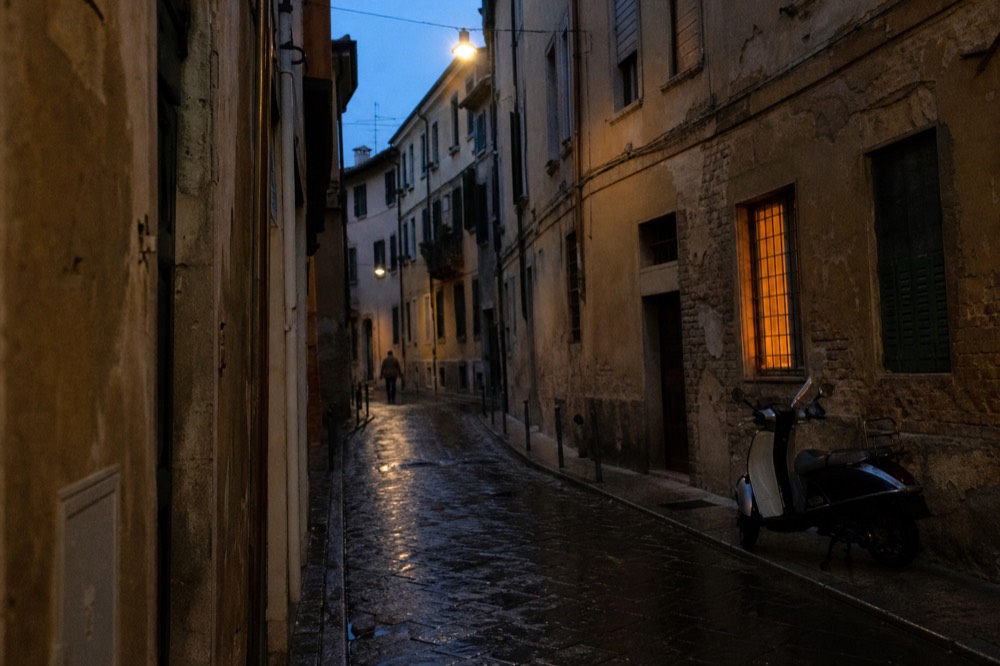
Yes. Verona's historic centre has been a camera-controlled limited-traffic zone since 1997, with 11 electronic gates, and there is no official public window when unregistered visitor cars may enter; hotel guests may drive in only after the hotel registers their plate, and holiday-let guests may not. The practical consequence: plan every city tasting as a walking route, and if you taste outside the centre, book transport or a taxi rather than a rental car.
The zone covers the whole historic core between the bends of the Adige, which is precisely where every enoteca in this guide sits. The Comune di Verona's ZTL page states the rules plainly: access is limited to preset hours and specific user categories, gates have been electronic since 2005, and the resident windows it lists are reservation-only for Verona-province residents. A visitor car that crosses a gate without registration is photographed and fined. There is no "everyone may enter after 8pm" rule, whatever a forum told you.
This is not a burden, it is a gift to a tasting evening. The city is small, the bridges connect everything, and the whole point of tasting in Verona is that no one has to drive home. Italy's drink-driving law sets a 0.5 g/l limit generally, with a zero limit for drivers under 21 and in the first three years of a licence, and the fines and suspensions above 0.5 are severe enough that they should end any thought of "just one glass" behind the wheel. Walking, or a taxi for the hill cantina, is the plan.
If you want movement with your wine but no car, the active format is a self-guided e-bike half-day from a meeting point in Verona: four glasses including Amarone with a cheese and salami appetizer, from $110 per person, rated 4.8 across 82 reviews, and it often sells out (checked September 2026). You ride out of the city under your own steam, taste, and ride back.
Parking, if you do have a car for the valleys: 2026 rates inside the ZTL ring run EUR 2 per hour, with EUR 1.50 in the Zona Blu and EUR 1 in the Zona Azzurra (checked September 2026). Leave the car outside the ring for the whole stay and treat Verona as a pedestrian city (see Which part of Verona is best to stay in?).
When does a city tasting beat a Valpolicella trip?
A city tasting or the hill cantina above wins when you have one evening, half a day, or no wish to organise transport; a valley trip wins when you want vineyard walks, barrel cellars, several wineries in one outing, or a full lunch, because no enoteca can reproduce the place itself. The honest rule: if your trip is two nights or fewer, taste in town; with three nights or more, give at least one day to the valleys.
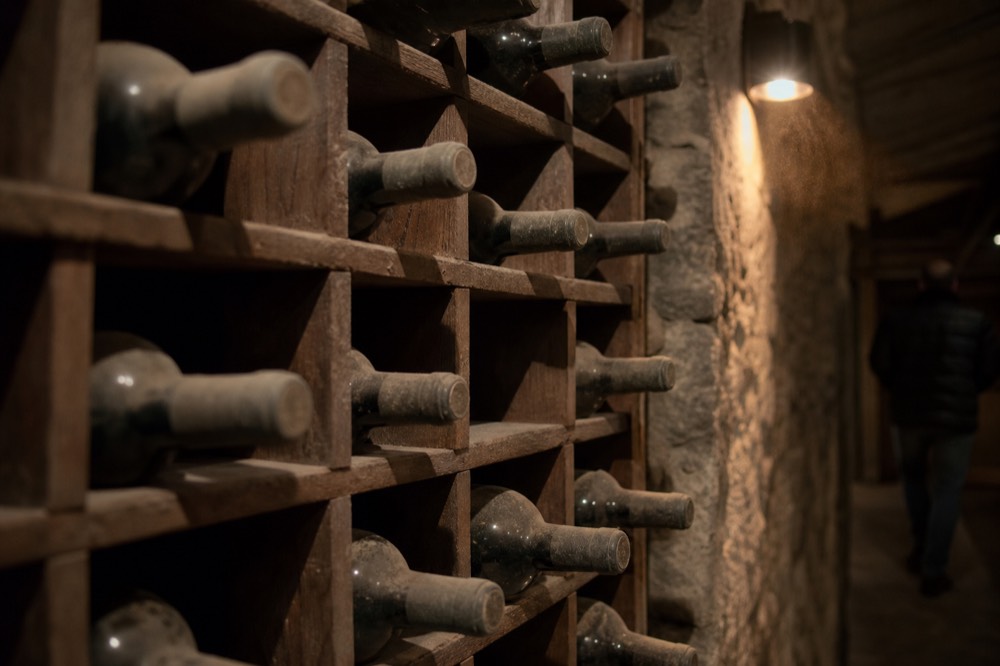
The trade is about depth versus coverage. An enoteca flight in the centre can pour you six denominations from six producers in one evening, which no single winery can do. A valley day gives you the pergola vineyards, the drying lofts where Amarone grapes spend their winter, and the story told where it happens. Neither is the wrong answer; they are different purchases.
When you do go to the valley, the default first choice from our roster is the small-group Amarone tasting tour with transport: two winery visits and two tastings including Amarone and Ripasso, hotel pickup in Verona, half-day, from $145 per person, rated 4.9 across over 760 reviews, and it often sells out (checked September 2026). It handles the driving, which pairs exactly with the ZTL logic above.
| Your situation | Best fit |
|---|---|
| One evening in Verona | Enoteca flight around Piazza delle Erbe or Veronetta |
| Half a day, want a real cellar | 90-minute panoramic tasting in the hills above town |
| Active half-day, no car | Self-guided e-bike tasting from a Verona meeting point |
| A full day, want the full story | Small-group Valpolicella tour with hotel pickup |
| Two nights or fewer in total | Taste in the city, skip the valley logistics |
What about Verona's wine festivals and Vinitaly?
Verona's wine calendar has three fixed points worth building a trip around: the Arena opera season with its aperitivo culture all summer, the city's public wine events during Vinitaly in April, and the Amarone Opera Prima presentation, usually late January or early February, when the new vintage is first shown in the city. Vinitaly itself is a trade fair, closed to the public, but its satellite events pour to everyone.
The trade fair runs 11 to 14 April 2027 at Veronafiere, with the public-facing Vinitaly and the City running 9 to 11 April 2027. The 2026 edition drew 90,000 trade attendees from 135 countries and 4,000 exhibitors, and 2026 trade tickets were EUR 125 a day, online-only, while the public tasting carnet for the city events was EUR 18 online (checked September 2026). Unless you are in the trade, the carnet and the city events are your angle: tastings in palazzi and squares, with the fair itself off-limits. Our full Vinitaly guide covers the practicalities.
Amarone Opera Prima is the insider's date. The 2026 edition, 31 January to 1 February at the Gallerie Mercatali, presented the 2021 vintage with 67 producers pouring; the 2027 date is not yet published, so plan on "usually late January or early February" and check before booking flights. It is the one moment when dozens of Amarone producers pour under one roof in Verona itself, the city-tasting idea taken to its logical extreme.
How do you book a tasting in Verona and what should you expect?
For enoteche in the centre, walk in; no booking is needed for a glass or a flight, though a table on a weekend evening in season is worth reserving. For the hill cantina and any winery-direct visit, book in advance, expect a fixed start time rather than open-ended sitting, and expect free cancellation on every tour in our roster, so there is little risk in locking a slot early.
The booking norm comes from the wineries, not the bars. Reservation is the rule for any guided visit in the region, most estates keep Mon-Sat hours with Sunday uncommon, and the premium formats ask for advance payment: Tedeschi, for instance, requires prepayment with a full refund up to 48 hours before (checked September 2026). City enoteche work the opposite way, first come, first served, with standing-room culture in the aperitivo hour.
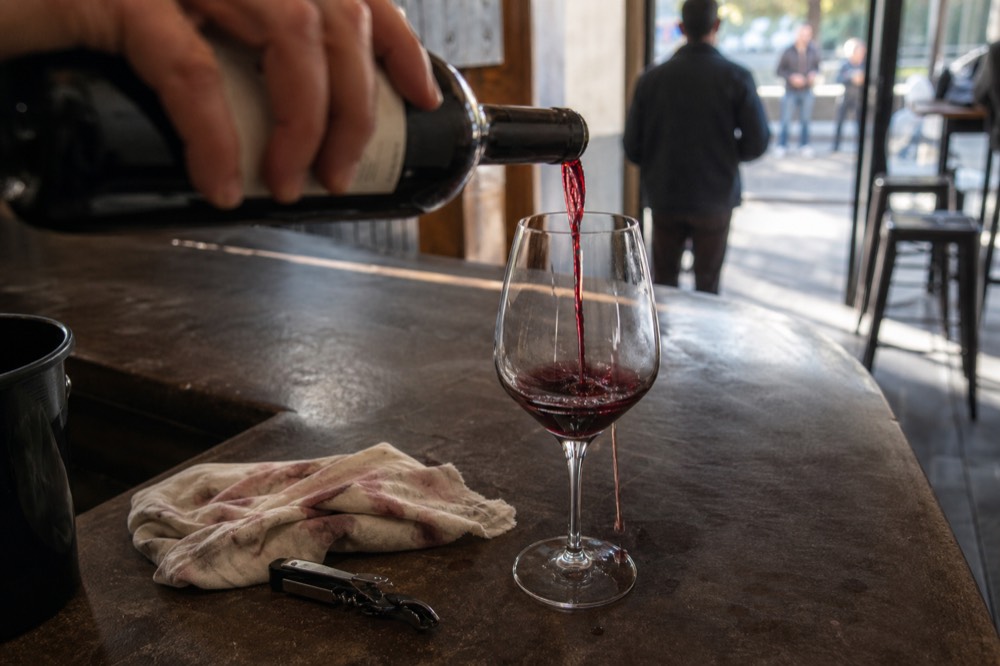
What to expect from the pour itself: Valpolicella is the light cherry-fruited everyday red, Ripasso is the same wine re-fermented on Amarone skins for more body, Amarone is the dried-grape heavyweight at a legal minimum of 14% alcohol, and Recioto is its sweet sibling. A flight that walks that ladder in order is the single best 90 minutes of wine education available in the city. Ask for the vintage on the Amarone, it carries a minimum of two years of aging and often far more, and ask what is open by the glass, because the answer changes daily.
One last planning note from Verona Wine Tours: the region's 2026 harvest began about two weeks early, in late August, after a hot dry summer, so if you visit during September expect harvest traffic on the valley roads and, occasionally, a tasting room running on skeleton staff while the grapes come in. The city enoteche feel none of that. That is, in a sentence, the argument for basing your tasting in Verona itself: the city never closes for the harvest.
These are the questions travellers ask most about tasting wine in Verona: whether you can stay in the city, what it costs, whether a winery is reachable without a car, and how the ZTL and booking norms shape the plan. Each answer below gives the practical figure or rule of thumb.
Common questions about wine tasting in Verona
Can you taste wine in Verona without leaving the city?
Yes. Enoteche around Piazza delle Erbe, Piazza Bra and in Veronetta pour the full regional list by the glass and in flights, and a 90-minute winery-direct tasting in the hills above the city covers five wines from a white IGT up to Amarone. No car is needed for any of it.
How much does a wine tasting in Verona cost?
As a planning allowance, a glass runs EUR 6-12 for standard Valpolicella or Soave and EUR 12-25 for Amarone in the centre; an enoteca flight of three to five wines usually runs EUR 25-60, and a guided cellar tour with tasting at a winery about EUR 25-80 (checked September 2026). Check the list when you sit down, prices vary by street and season.
Can you walk to a winery from Verona?
A family cantina in the hills directly above the city pours a five-wine tasting with a panoramic view, from $53 per person (checked September 2026). You meet at the winery and there is no transport included, so it is a short taxi or a climb from the centre rather than a stroll, but it is the shortest real cellar visit in the regional set.
Does the Verona ZTL affect wine tasting plans?
Yes, indirectly. The historic centre is a camera-controlled limited-traffic zone with no public access window for visitor cars; hotel guests may enter only after the hotel registers their plate. The practical answer is to plan every city tasting as a walking route and never drive between glasses.
Is a city tasting or a Valpolicella tour better?
A city tasting wins for coverage: one evening can span six denominations from six producers. A valley tour wins for depth: vineyard walks, drying lofts and barrel cellars. With two nights or fewer in Verona, taste in town; with three or more, give one day to a small-group Valpolicella tour with hotel pickup, from $145 per person (checked September 2026).
Do you need to book a wine tasting in Verona?
City enoteche need no booking for a glass or a flight. The hill cantina above town and any winery visit should be booked in advance, and tours that often sell out, like the small-group Amarone half-day, should be locked in early. Every listing in our roster offers free cancellation.